



چند وقت پیش یه خانومی اومد مطب، با چشمانی پر از اشک و دلی پر از ناامیدی. His nose…well, kind of…wasn't what he expected. His first surgery did not work as well as it should have. That's when he asked: "Doctor, can I do it again? Can I get the nose I want?" This question reminded me of the topic of this article; A topic that many of you are struggling with: Reconstructive nose surgery and finding the best surgeon A
To be honest, many of us otolaryngologists ask ourselves this question over and over again. we ask What is the best? Best according to whom? In terms of the patient? In his opinion? Or in terms of society? I know that finding the best rhinoplasty surgeon is not an easy task, especially when you have had an unsuccessful experience before. But don't worry, in this article we are going to take a tour together in this complicated world and I will help you find the right way. do we Many times, the result of the initial surgery is not as satisfactory as it should be. There may be problems such as asymmetry, breathing problems, or incomplete appearance of the nose. Sometimes, over time, there are changes in the shape of the nose that make a person unhappy. This is where reconstructive surgery comes in.
Remember: Reconstructive surgery is actually correcting previous surgical mistakes or improving past unfavorable results. This surgery is usually more complicated and more precise than the primary surgery, because the surgeon must work with previously operated tissues and pay special attention to possible complications.
Common problems in primary nose surgery that need repair:
Let me clarify this issue with some real examples. One of my patients had difficulty breathing through his nose after his initial surgery. The reason was that the surgeon damaged the internal structures of the nose during the operation. Or, for example, another woman faced severe asymmetry on both sides of her nose, which caused many appearance problems. These are just two small examples of common problems that require reconstructive surgery.
Of course, structural problems are not the only ones that require reconstruction. Sometimes, natural changes in the body can change the shape of the nose. For example, over time, the skin of the nose becomes loose and the shape of the nose changes. Or some people face drooping of the tip of the nose after the initial surgery.
Choosing the best rhinoplasty surgeon: a practical guide
Now we come to the key part of the story: choosing the best surgeon. This is not an easy task and requires careful research. But don't worry, I will provide some solutions that will help you make the right choice.
1. Research:
The first step is research. Get advice from people around you, friends and acquaintances who have experienced nose surgery. Their opinions can help you get to know different surgeons. Also, you can search the internet for information about different surgeons. There are various medical sites, articles and opinions on this. But definitely be sure about the validity of sites and sources.
2. Review resumes and portfolios:
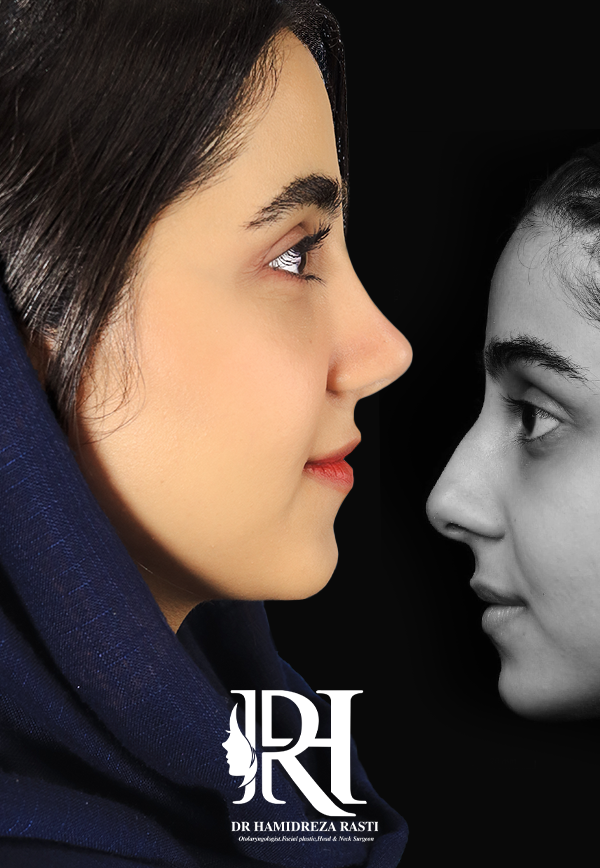
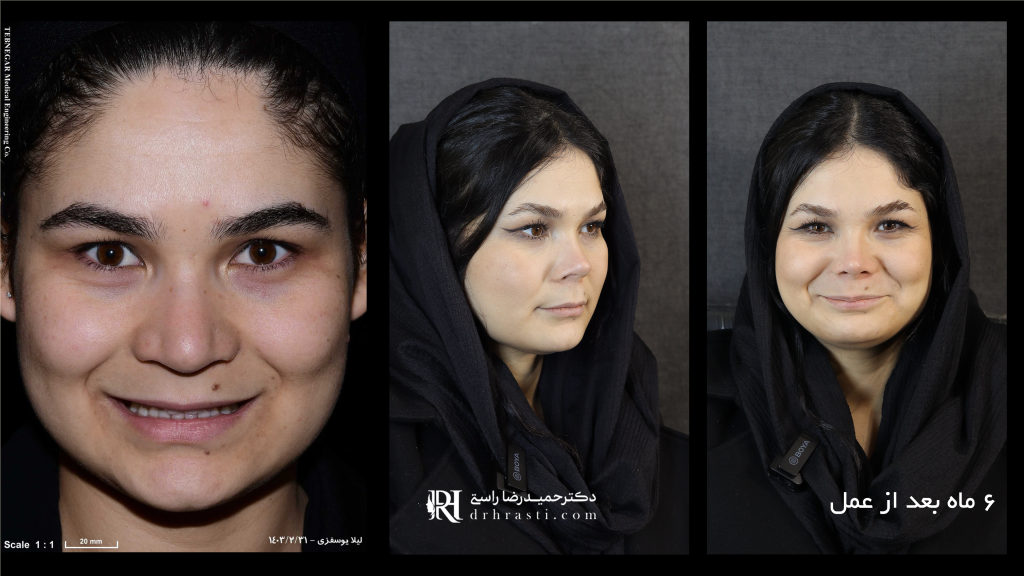
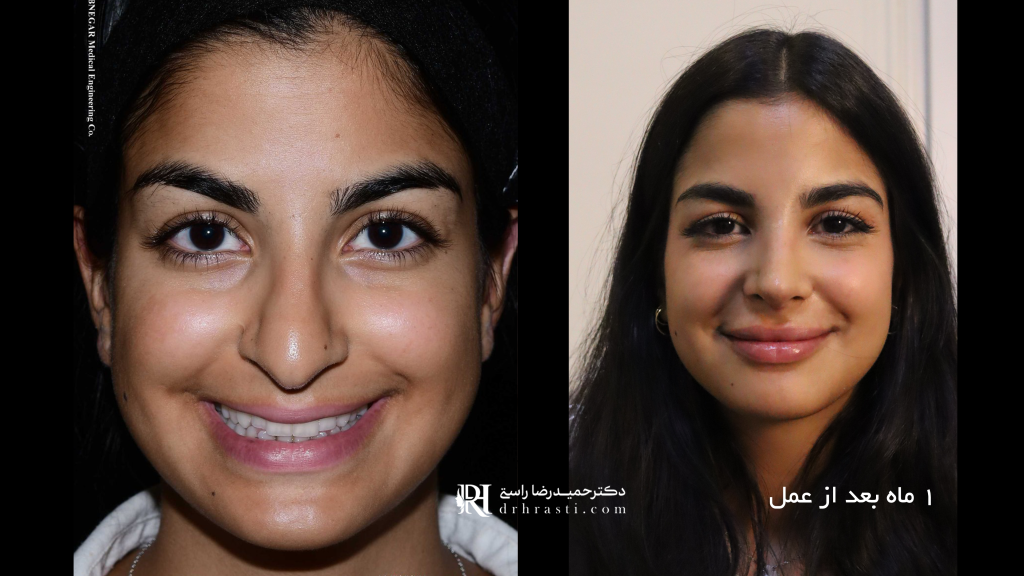
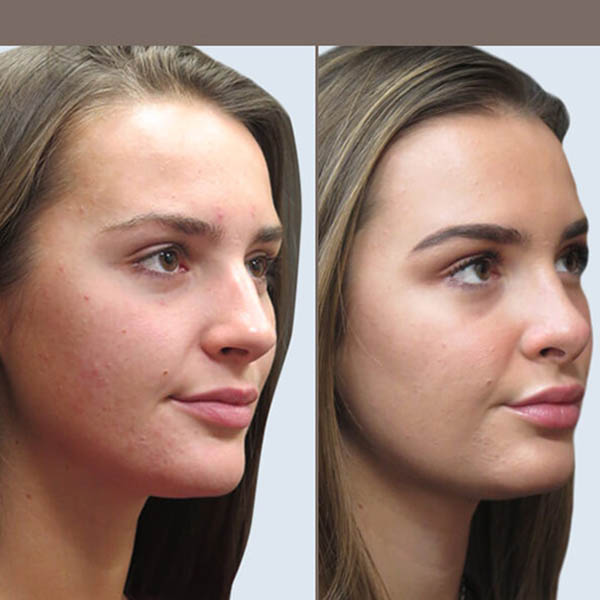
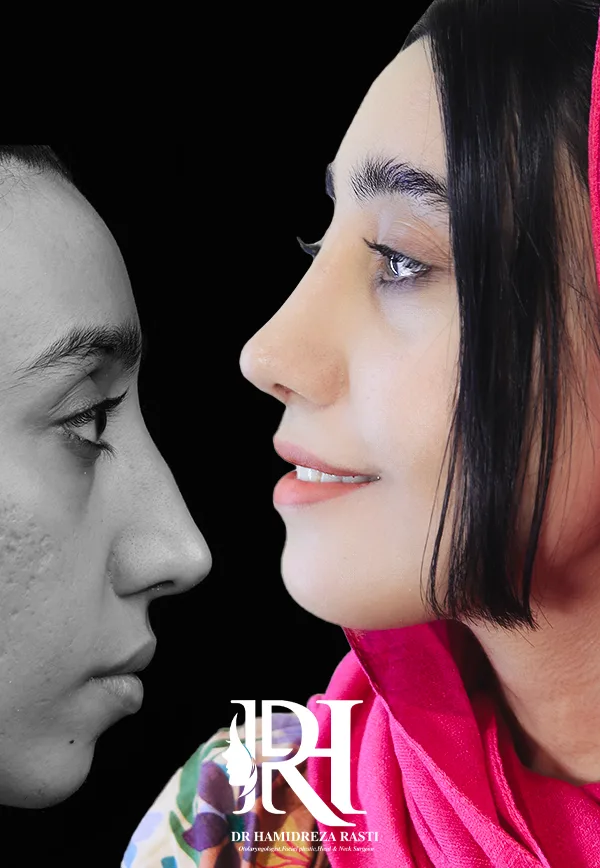
After you've selected a few surgeons, review their resumes and portfolios. A surgeon's resume should include his qualifications and experience. Also, pay special attention to his portfolio. Before and after photos can help you evaluate the skill of the surgeon. Note that portfolios must be real and related to reconstructive surgeries, not just primary surgeries.
3. Consultation with the surgeon:
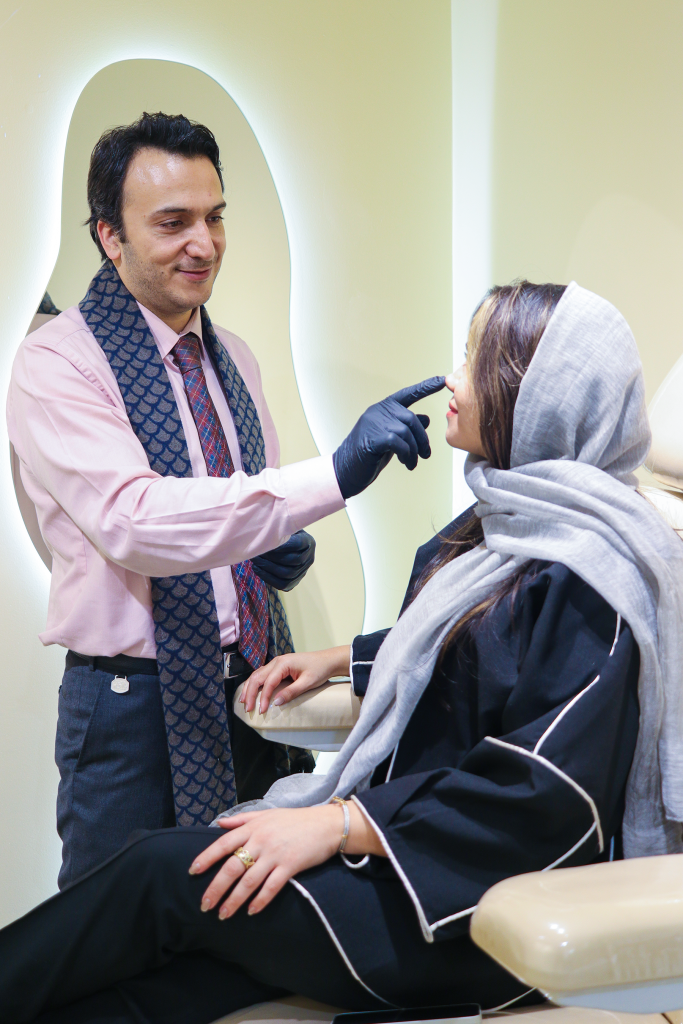
After reviewing the resume and portfolio, it is time to consult with the surgeon. In this meeting, talk clearly and in detail about your nose problems with the surgeon. Ask him about surgical procedures, possible complications, and costs. A good surgeon will answer all your questions and address your concerns. The most important point of this step is to feel comfortable and trust the surgeon. If you don't feel comfortable, look for another surgeon.
4. Choosing a surgeon based on experience and expertise:
Choosing a surgeon is not just about seeing some good photos. You should choose a surgeon who has sufficient experience and expertise in reconstructive nose surgery. Remember that reconstructive nose surgery is a complex operation and requires great skill and precision. A surgeon who does not have much experience in this field may not be able to achieve the desired results.
When choosing a surgeon, pay attention to his documents and certificates. A good surgeon always prioritizes updating his knowledge and skills and participates in conferences and seminars related to this field.
Dr. Hamidreza Rasti: An example of an expert surgeon
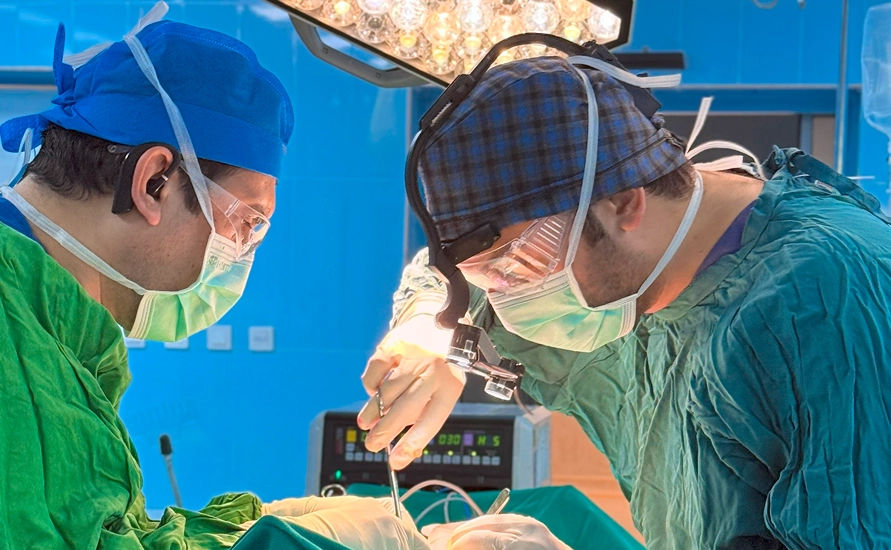
One of the most famous and experienced surgeons in the field of reconstructive nose surgery is Dr. Hamidreza Rasti. You will hear from those who performed repairs under his supervision. In his reconstructive surgeries, Dr. Hamidreza Rasti tries to reconstruct damaged noses using his experience and the most up-to-date techniques and tries to cause the least amount of damage to the patient's tissues or organs.
Possible side effects of reconstructive nose surgery
Before you decide to undergo surgery, you should be familiar with its possible side effects. Reconstructive rhinoplasty, like any other surgery, may be associated with complications. These side effects can be mild or severe side effects. Some common complications include: swelling, bruising, pain, infection, breathing problems, and asymmetry.
A good surgeon will explain all the possible complications and answer your questions before the operation. Also, he will advise you on how to reduce the risk of complications. Remember that following the instructions of the surgeon after the operation plays a very important role in reducing the risk of complications.
Care after reconstructive nose surgery
Care after reconstructive nose surgery is also very important. Following your surgeon's instructions after surgery can help reduce swelling, bruising, and pain and lead to a faster recovery. Some of these cares include: the use of ice compresses, keeping the head elevated, the use of painkillers, and maintaining the hygiene of the surgical site.
The surgeon will give you the necessary instructions for post-operative care. Be sure to pay attention to these instructions and follow them carefully. If you notice any abnormal symptoms, contact your surgeon immediately.
Conclusion: Towards the nose you love

Finding the best reconstructive nose surgeon is not an easy path, but with patience, research and consultation with expert surgeons, you can achieve the desired result. Remember that the purpose of this surgery is to improve the appearance and function of your nose. By choosing an expert and experienced surgeon, and following post-operative care, you can achieve the nose you've always dreamed of. I hope this article has helped you in this direction. And remember, you deserve the best.
“`