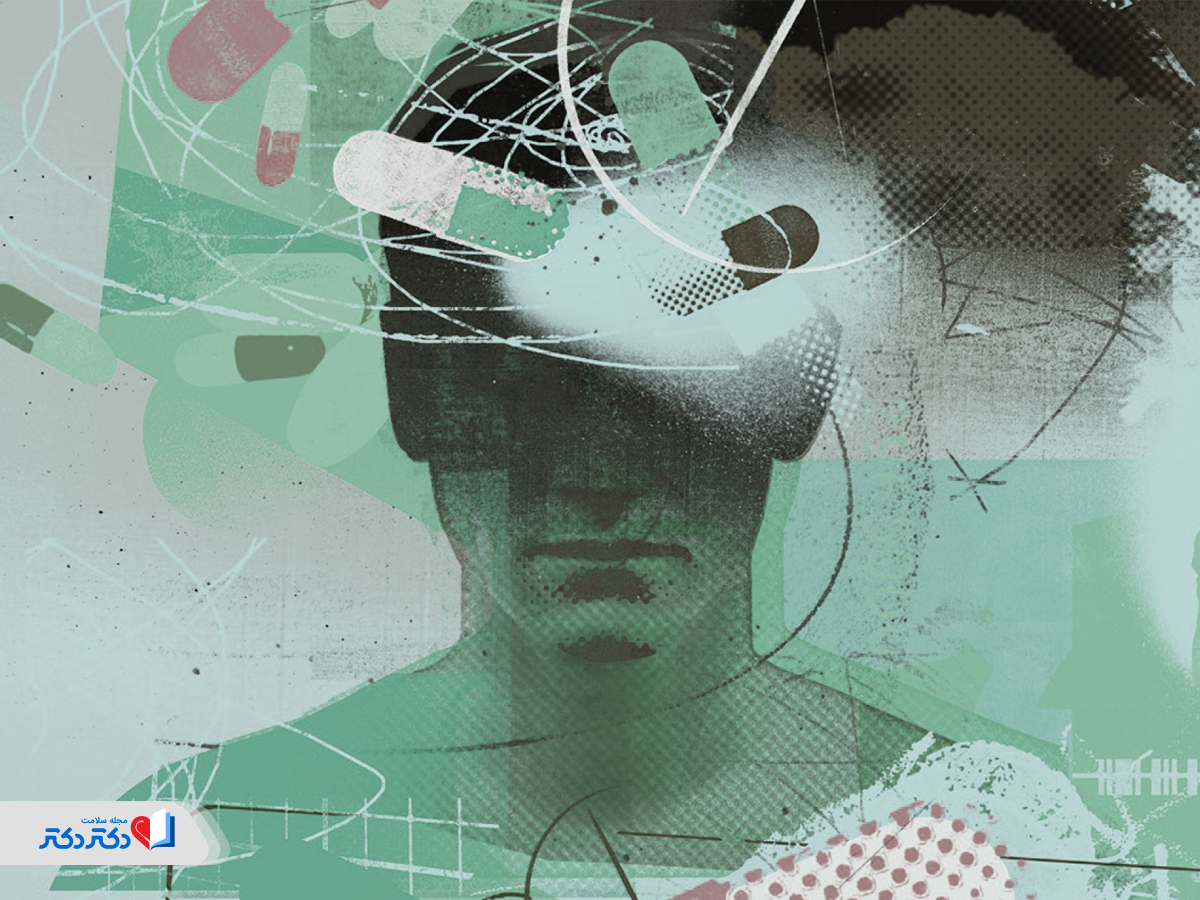
همه میدانیم افسردگی چیست و چطور مثل یک ابری خاکستری روی زندگی سایه میاندازد. اما تصور کنید این ابر شروع به گفتن جملات ترسناک کند و به شما بقبولاند که تمام دنیا علیه شما توطئه کردهاند! افسردگی سایکوتیک یکی از جدیترین انواع افسردگی است و غم عمیق را با توهم و هذیان گره میزند. مثل اینکه درحال غرق شدن باشید و تصور کنید که آب دریا سمی است! In this guide of DoctorDoctor health and medical magazine, we talk in detail about psychotic depression and its definitive treatment. class="lwptoc_itemWrap">

مقاله تخصصی
Psychotic depression (symptoms, treatment and drugs)
1 day ago
474 بازدید

Dr. Reza Bahadur
MashhadOrthopedic specialist
What is psychotic depression?
Psychotic depression is one of the most serious and complex forms of mood disorders and beyond simple sadness or boredom. In this case, the depression becomes so intense that the person, in addition to experiencing deep sadness and despair, loses his connection with reality and suffers psychotic symptoms. Specialized texts have introduced this condition as "major depressive disorder with psychotic features".
In this acute and critical form of major depressive disorder, the patient struggles with delusions (persistent false beliefs) and hallucinations (seeing and hearing unreal things). The content of delusions and hallucinations is often aligned with his depressed mood. These thoughts are mostly around worthlessness, failure, self-deprecation and shame.

What is the difference between normal depression and psychotic depression?
The main difference between psychotic depression and normal depression is the severity of the disorder in the regulation of neurotransmitters and the increase in the level of the stress hormone (cortisol). Both disorders are rooted in deep sadness, but psychotic depression robs a person of the ability to recognize the boundary between mental imagination and external reality. Therefore, these emergency mental conditions require the exact combination of antidepressants with antipsychotic drugs or even shock therapy (ECT) for the rapid return of the balance of the nervous system.
The table below shows the difference between psychotic and non-psychotic depression from the perspective of relationship with reality, content of thoughts, physical and behavioral symptoms, and response to treatment. We have brought.
| Non-psychotic depression (normal) | Psychotic depression |
| The person is aware of the surrounding world. Despite the feeling of emptiness and despair, he knows that these thoughts are caused by his mental state and does not suffer from hallucinations or strange beliefs. He may hear voices that are not there (hallucinations) or believe completely irrational things (delusions); For example, accept that his body is falling apart from the inside. | |
| Negative thoughts usually revolve around personal failures, loneliness and sadness, such as "I'm not good enough". | Negative thoughts in the form Delusions are mood-congruent, so extreme that they reach the level of insanity, such as delusions of guilt, "I've caused a disaster." center;">The physical symptoms become extremely severe and the person freezes, that is, he is motionless and speechless for hours, or conversely, he has no control over his severe movement restlessness. |
| Usually with the use of a type of antidepressant (such as SSRIs) and psychotherapy improves. | It is rarely treated with antidepressants alone. The patient needs a combination of antidepressants and antipsychotics. |
Symptoms of psychotic depression
The next important question is: Symptoms What is psychotic depression and what are the signs that it can be detected? style="font-weight: 400;">Feelings of worthlessness or guilt; As we mentioned, in psychotic depression delusions and hallucinations are somehow related to depression. A person may hear an unreal voice that criticizes him and says that he does not deserve to live. Or he gets wrong beliefs about his body, for example, he believes that he has cancer! Depression is a multifaceted disorder and affects different people for different reasons. That's why cause of depression Psychosis is not exactly known and researchers believe it is caused by a combination of genetic, biological, environmental and psychological factors. There is a theory about the cause of psychotic depression that says: psychotic depression is the result of inheriting a certain combination of genes, some genes are responsible for depressive symptoms and others are responsible for psychotic symptoms. According to this theory, it is clear why depression is not always psychotic. Another theory involves the high level of the stress hormone (cortisol) in the development of this disease. Medical science identifies it as a subset of major depressive disorder (MDD). The complex nature and the similarity of the symptoms of this condition to other mental illnesses (schizophrenia and bipolar) have made its diagnosis difficult and challenging for specialists in this field. On the other hand, people who suffer from it are embarrassed to express their hallucinations or delusions, and this makes diagnosis more difficult. First of all, the specialist doctor begins to examine the patient's medical and family records. A thorough psychiatric evaluation is done to assess mood, thought patterns, and perceptions. The doctor tries to find the line between extreme negative thoughts and delusions by asking detailed questions. He is looking for answers to the following questions:
What is the cause of psychotic depression?
Finally, a medical examination and laboratory tests are performed to rule out underlying physical causes and other causes of psychosis. The doctor must make sure that the symptoms are not due to bipolar disorder, schizoaffective disorder, or the use of various drugs.
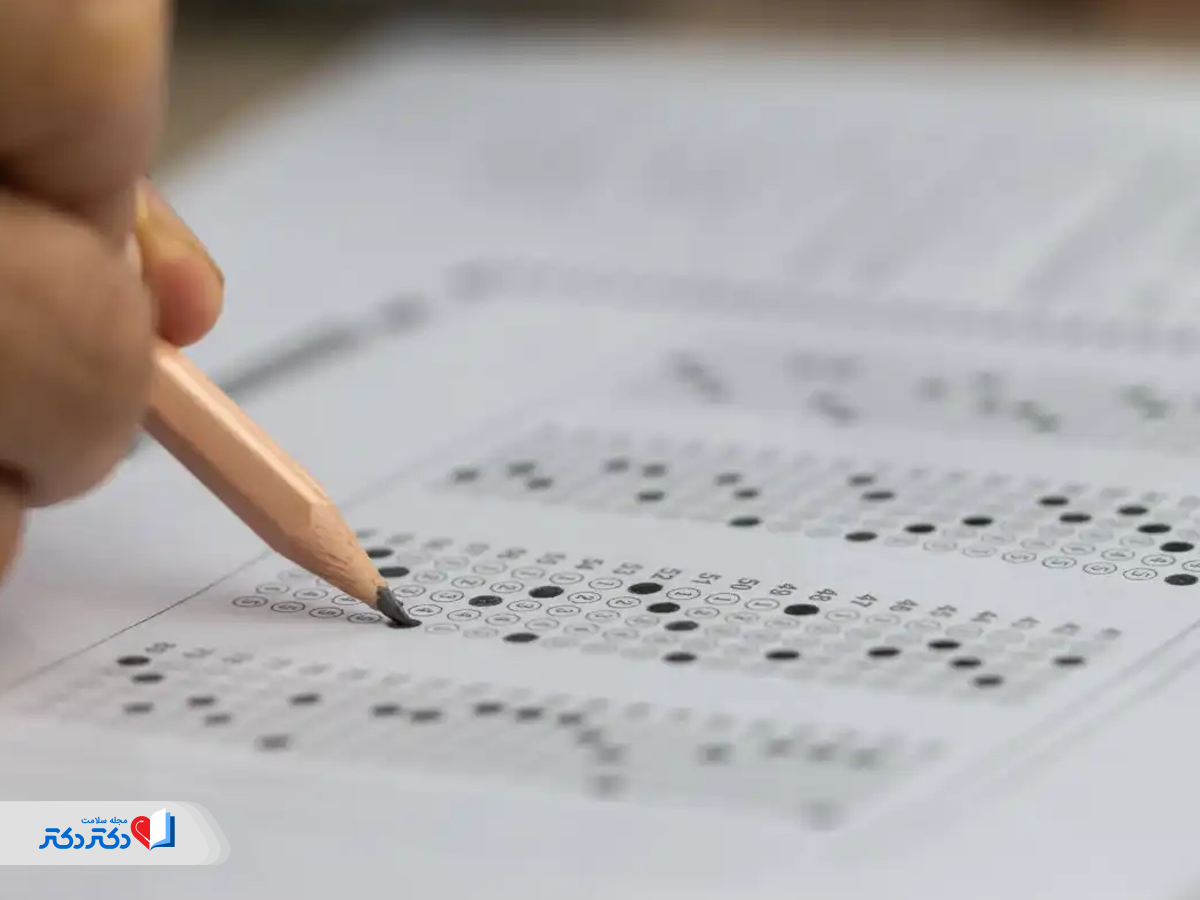
The next step is the psychotic depression test. The patient's answers in the questionnaire pave the way for the doctor to some extent.
Does psychotic depression have treatment and how long does it take?
The more important question of psychotic depression sufferers and their relatives is whether psychotic depression has a definitive treatment or not. Psychotic depression can be treated and controlled, but like many mood disorders, it may require long-term treatment and follow-up. The duration of recovery depends on the severity of symptoms and response to treatment. Usually the patient will feel improvement in symptoms within the first 2 to 6 weeks.
Read more: Effect of depression on the face
Psychotic depression drugs
According to evidence and researches, the combination of antipsychotic and antidepressant drugs has a good effect on the treatment of this condition. The antipsychotic drugs prescribed by the doctor are: Zyprexa (olanzapine); Seroquel (quetiapine); 400;">Risperdal (risperidone). Antidepressants also include: Unfortunately, most of these drugs have their own side effects and increase the risk of suicidal thoughts and behavior, sexual dysfunction and weight gain. Get rid of the thought of taking these drugs arbitrarily and be sure to get a prescription from a qualified and experienced doctor. Electrical convulsions (ECT) ECT is one of the most effective methods for severe cases and is performed under the supervision of a doctor, but like any medical treatment it can have side effects such as temporary memory impairment and it is for those patients who are the result of drug therapy have not taken For people struggling with suicidal thoughts, ECT's rapid relief is like a miracle, bringing them back to life. Of course, for stable results, continuous drug treatment is still needed. Having a healthy lifestyle is not an effective treatment for depression and psychosis, but with some fundamental changes and good habits, you can have a better quality of life and reduce the severity of symptoms. Things like regular exercise, adequate and quality sleep, healthy diet, avoiding alcohol and participating in speech therapy sessions. New approaches in the world of psychotherapy are promising for the treatment of psychotic depression. Psychotic depression, in addition to emotions, indicates reality and includes a belief in the patient's mind that is not real. People suffering from this condition should know that this situation is not a reflection of their personality; It is a chemical battle in the brain that can be controlled with a smart combination of drugs and new therapies. The light of hope is that according to the available statistics, many patients experience significant improvement with appropriate treatment. Don't waste time! If you or a loved one is struggling with obsessive thoughts and deep sadness, every moment of waiting makes the road to recovery longer. Right now, consult with experienced specialists anywhere in the country in the online visit sessions of the DoctorDoctor system.
Treatment of psychotic depression with electric convulsions
The role of lifestyle in reducing the symptoms of psychotic depression
The last word of the doctor!
Frequently Asked Questions
What is the chance of curing psychotic depression?The chance of curing psychotic depression is very high. With the combination of medication and psychotherapy or ECT, about 70 to 90 percent of patients recover. However, due to the possibility of disease recurrence, continuous care is necessary. The most important drugs What are psychotic depression?How do psychotic symptoms appear in this type of depression?Resources
Tags: The content of this article is for your general information only and does not constitute medical prescription.