
Why is corporal punishment of a child wrong?

Why is corporal punishment of a child wrong?
Why is corporal punishment of a child wrong?Why is corporal punishment of a child not the solution? Consequences of child corporal punishment
Corporal punishment of a child is one of the most common and at the same time the most damaging methods of punishment in families.
In many homes, when parents encounter behavior from their child that is unexpected or annoying, they go for the fastest and most accessible response, which is physical punishment. This type of reaction, although it may appear to stop the undesirable behavior, but in the long run, it leaves irreparable and destructive effects on the child's psyche and personality.
In this article from the Pirouzi Psychology Clinic website, we intend to look at the issue of corporal punishment of children and its consequences on mental health, emotional development and parent-child relationship with a scientific and psychological perspective. We will also examine why some parents behave in this way and what alternative solutions exist for managing a child's behavior that are both more effective and more humane.


What does corporal punishment of a child mean and why should we not consider it normal?
When we talk about corporal punishment or physical abuse of children, we mean any behavior that is done knowingly and with the intention of causing pain or discomfort by parents, teachers or other adults towards the child. This behavior usually occurs in response to the child's wrongdoing or disobedience, but the truth is that there is often something more than educational correction hidden in it.
In some societies, because they themselves gave birth to the child, parents have the right to treat him as they wish. They see the child not as an independent human being, but as their property; One who must be obedient and has no right to express opposition.
In many cases, what is done in the name of "education" is actually the venting of anger, psychological pressure or larger unresolved frustrations. Instead of calmly correcting the child's behavior, many parents react with violence, and this is not only uneducative, but also hurtful and humiliating.
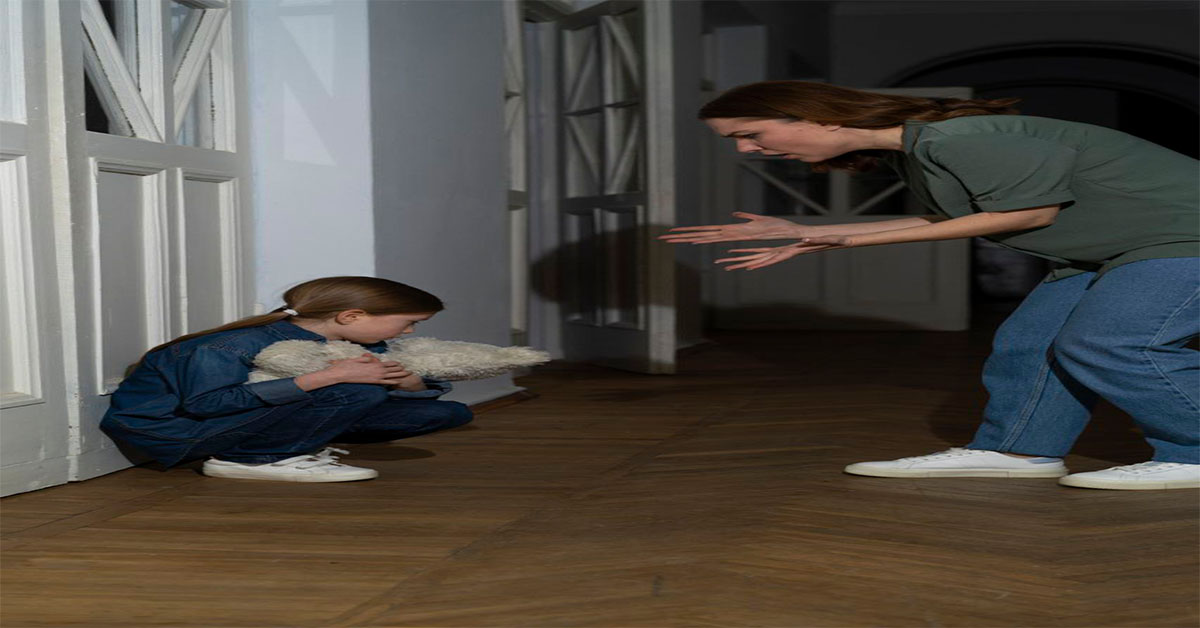
What drives parents to use corporal punishment of children?
As children gradually grow, they find more need for autonomy and try to move the boundaries set by parents. In this way, challenges such as opposition, violence, or incompatible behaviors emerge from the child; Behaviors that may be considered a form of disobedience according to parents.
In such a situation, most of the parents try to manage the situation with calmness and dialogue, but when there is not enough skill in the correct educational methods, tensions increase over time. Psychological pressure, fatigue and the lack of results from dialogue-based methods lead some parents to harsh reactions, including the use of corporal punishment.
The worrying point here is that if parents experience a sense of control or satisfaction after corporal punishment, this behavior can become a permanent behavioral pattern. In such a situation, physical punishment is no longer the last option, but becomes the primary and permanent reaction of parents against the child's mistakes, a reaction that has serious psychological and educational consequences for the child.
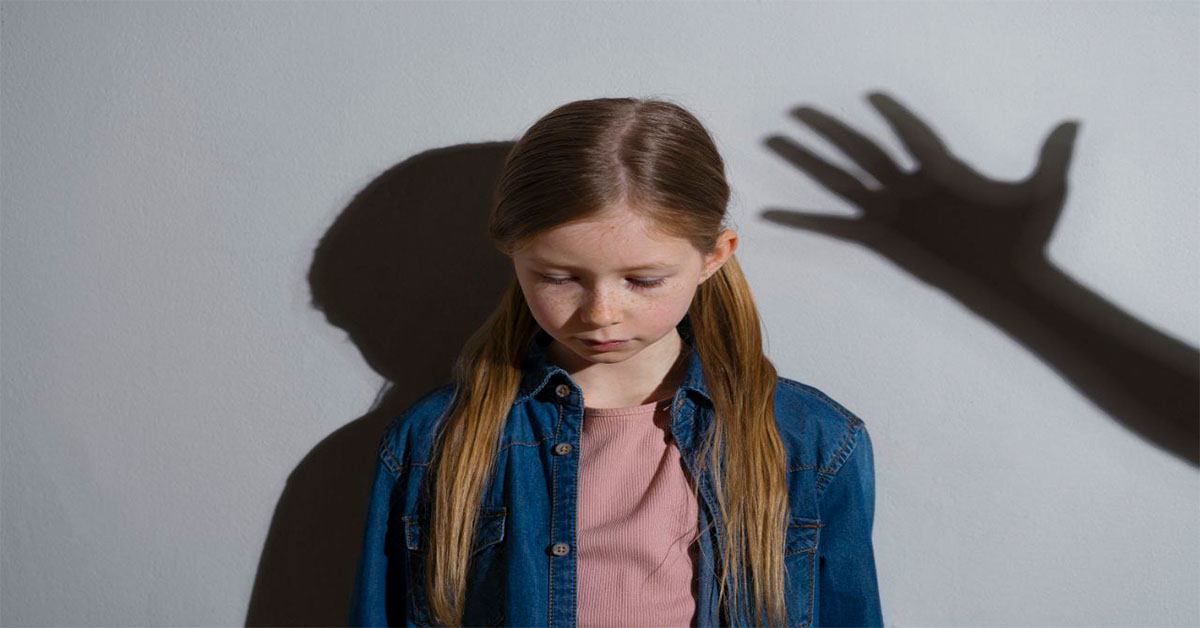
When corporal punishment of a child becomes ineffective; Smart solutions for tired parents
Some children are indifferent to physical punishment; Neither seclusion works, nor deprivation of fun. In such a situation, insisting on repeating the previous methods will only waste your energy. It is better to go for newer approaches.
In the first step, talk clearly with the child. He needs to know exactly what behavior you think is wrong and what you expect from him. Sometimes only a simple reminder can prevent repeating the wrong behavior.
Next, let the child face the natural consequences of his behavior. For example, if he throws his toy and breaks it, instead of blaming him, let him leave without a replacement. This experience is more educational than any punishment.Don't forget that focusing only on mistakes paints an unfair picture of your child. Highlight the moments when he is behaving correctly and reinforce them with praise and encouragement, and most importantly, avoid engaging in a power play with the child. Parent-child relationship should not be a battlefield. Empathy, cooperation and dialogue are much more effective than domination and coercion.
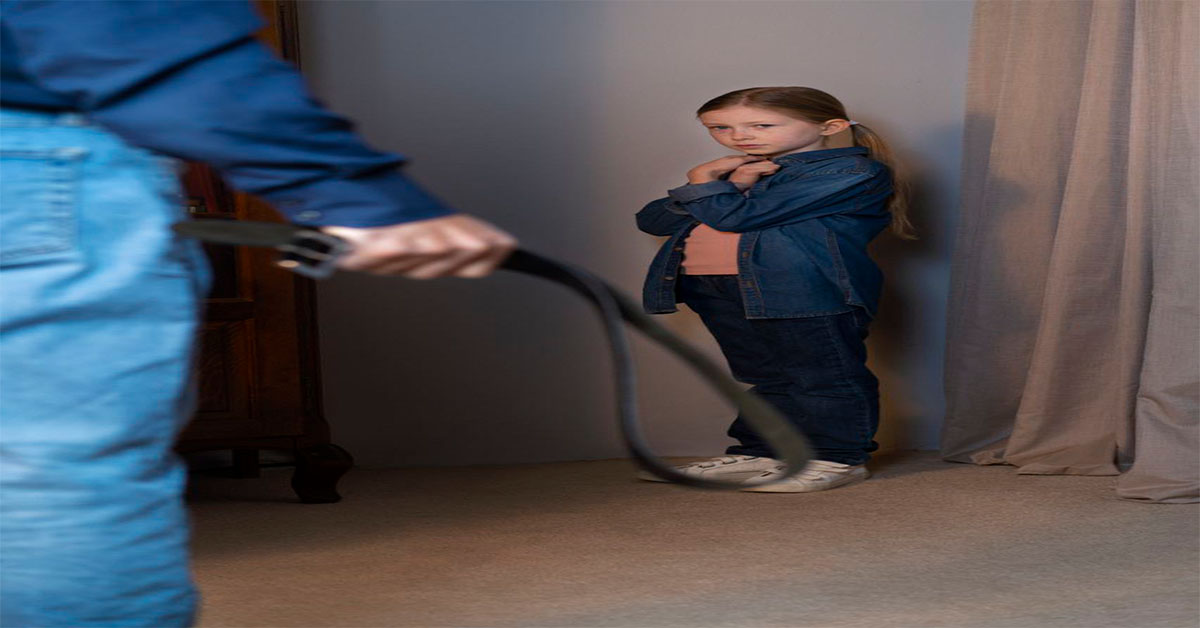
Hidden and long-term consequences of corporal punishment of children
Despite the frequent warnings of psychological and educational experts, some parents still resort to methods such as shouting or physical punishment to control their children's behavior. Although these behaviors may seem effective at the moment, they leave heavy consequences for the child's psychological and social development.
Children who are abused, especially in their early years, see the world as an unstable, scary and unreliable place. This feeling of insecurity is intensified when the abuser is the person from whom the child should feel the most secure, i.e. the father or mother.
Children who have such experiences deal with others in a more aggressive manner in later years and see aggression as a means to achieve their desires. They show weakness in emotion management, anger control and conflict resolution, and in stressful situations, instead of rational thinking, they show explosive behavior.
Damage to self-esteem, increase in stubbornness, emotional isolation and formation of chronic anxiety are other unfortunate effects of this type of education. In many cases, the emotional distance between the child and the parent has increased, and sincere dialogue gives way to fear, secrecy, and mistrust.In severe cases, physical injuries also follow; Injuries that sometimes remain and their effects remain for years.
Furthermore, the child gradually learns to pay attention to the parent's commands only when they are accompanied by threats or physical punishment. This type of conditioning eventually destroys the value of positive interaction.
In adolescence and adulthood, the probability of behaviors such as abusing animals, destroying public property, delinquency, and even repeating the cycle of violence in emotional relationships is significantly higher in children who were punished as children.
Finally, it should be accepted that the children who have experienced violence today will most likely be the violent ones of tomorrow; Unless this vicious cycle is identified and stopped in time.
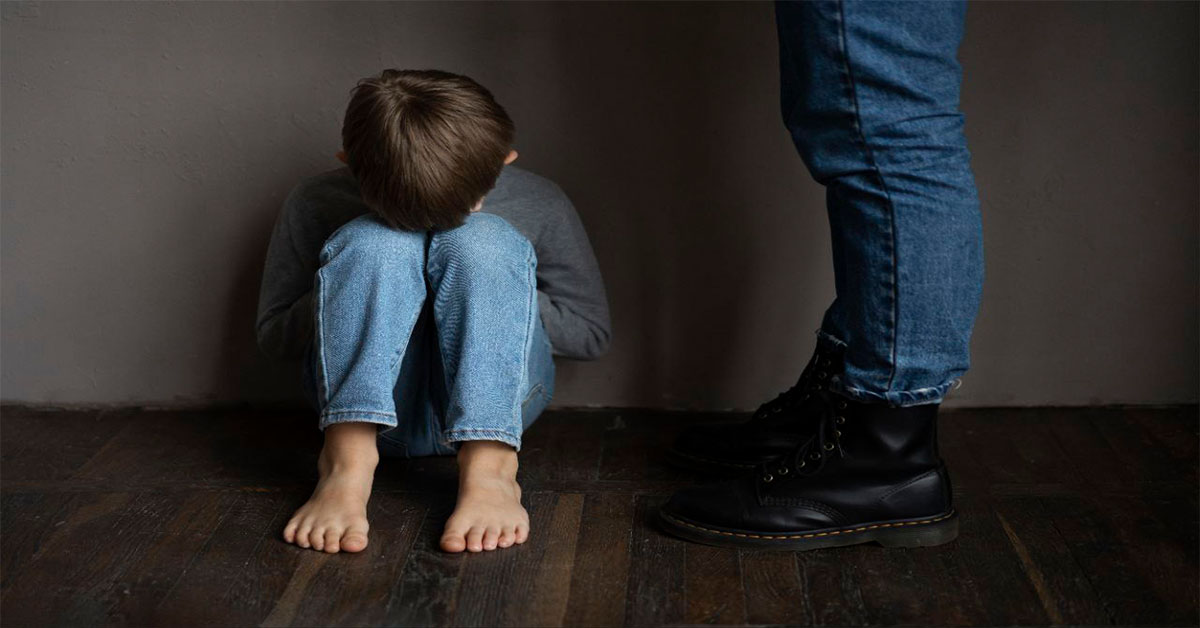
Can corporal punishment be a way to raise a child?
When parents are tired or disappointed with their child's behavior, they sometimes resort to corporal punishment and consider it a tool for discipline or education, but experience and science have proven that this method is not only not efficient, but often leads to the deterioration of the situation. The child may be quiet on the surface or obey for a moment, but what is formed inside is nothing but fear, mistrust and psychological damage.
The healthy growth of a child requires a safe environment, full of support and dialogue; Not an environment where the child is afraid of his parents. Effective methods of education are rooted in respect, empathy and teaching life skills, not in the use of force or threats.
Several studies have shown that children who have experienced physical violence face more serious challenges in the future, such as anxiety, uncontrolled anger, and disruption of social relationships. The American Psychological Association has repeatedly warned that corporal punishment, instead of correcting behavior, increases aggression and emotional problems in children.
UNICEF also emphasizes that no type of violence is acceptable, even if it is done with the intention of "education"; Because children should grow up in an environment full of emotional security and peace.
On the other hand, Dr. Daniel Siegel, a child neuroscience expert, says that when a child is physically punished, his brain goes into a defensive mode; In this situation, the ability to learn and logical analysis is lost, and the child only seeks to escape or silence, not to correct behavior.
So if we want a real change in our child's behavior, we must change the tools of education from fear and corporal punishment to respect, guidance and constructive communication. It is only in this way that we can provide a healthy and stable psychological development for children.
Summary
Finally, it should be accepted that punishing a child is not only a suitable solution for education, but also seriously damages mental health, self-confidence and parent-child relationship. Although many parents do not have bad intentions, lack of knowledge of healthy parenting methods can inadvertently lead to violence.
Pirizh Psychology Clinic is ready to help parents in choosing effective, non-violent and suitable educational methods for their children by providing expert advice, using a team of experts in the field of children and families.
Make an appointment:
To receive individual advice from the specialists and consultants of Pirouzih Clinic, just call the following numbers:Yeproozi contact number:
 02177431649
Qaitariya contact number: 02126456903
02177431649
Qaitariya contact number: 02126456903
Working hours
days of the week 8:00 – 17:00 Thursday with coordination Friday Holidayhref="tel:+982177431649">021-77431649
Latest content
Behzadi2025-10-16T21:31:24+00:00Behzadi2025-10-16T21:31:24+00:00 October 16th, 2025|no View
Why do some people avoid intimacy? Getting to know the avoidant attachment style is one of the behavior patterns that is rooted in the early life, the avoidant attachment style. The way people to establish [...]
The effect of forgiving betrayal on mental health and emotional relationships
amini2025-08-25T16:04:14+00:00 August 21st, 2025|No view
Can betrayal be forgiven? A psychological look at forgiveness of betrayal. Facing betrayal in an emotional relationship can be one of the heaviest and most complex experiences in life. When trust [...]
Daily visit: 3Register an appointment
You can set up a consultation session through this button...
make appointment amini2025-08-25T15:33:06+00:00Clinic Address
Tehran Province, Tehran, Piroozi St, MFVR+298, IranBranch 1:
Pirooz Branch
No. 1278, No. 1278, 3rd floor - Unit 7, at the beginning of Abuzar Blvd., Pirizi St., Tehran
Contact us
Saturday to Wednesday: 9 am to 9 pm
Yeproozi contact number:
02177431649
Qaitariya contact number: 02126456903
Andrezgo Blvd., between Kaveh Blvd. and Qaitarieh Blvd., in front of the Proud Mosque, No. 134, 2nd floor, unit 3

Pirouzi Clinic is always by your side to achieve your growth and mental health...
About Us
Piirozi Clinic is a center dedicated to personal growth and personal development and skilled psychologists here They play a very important role. This field is dedicated to training people to achieve goals and win in life. Using modern psychological techniques and their experiences, our psychologists provide solutions for the mental and social problems of the clients.
مقالات دیگر از Mohammad Pirizi


SEO site management services
Search engine optimization (SEO) services help you to rank your website higher in the search results of Google and other search engines.

Implementation of branding and digital advertising
Digital branding means creating a strong and distinctive brand in the digital space for a company or a specific product. This process involves using digital methods and strategies to build and strengthen the brand.

Website design for companies and businesses
Website design for companies and businesses can help you have a stronger online presence and attract more customers. Contact us for more information.
