treatment of uterine fibroids; The most common non-cancerous tumor

Dr. Azita Naseri
TehranObstetrics and Gynecology Specialist
Uterine fibroid treatment; The most common non-cancerous tumor
Uterine fibroids are a common type of non-cancerous tumor that can grow in and on your uterus. Not all fibroids cause symptoms; But when they cause symptoms, you should go for uterine fibroid treatment. Symptoms can include heavy menstrual bleeding, back pain, frequent urination, and pain during sex. Small fibroids often do not require treatment; But we can treat larger fibroids with the help of surgery.
If you think you have uterine fibroids, or you have any kind of pelvic pain that doesn't go away, see a specialist for an accurate diagnosis. The symptoms of fibroids in women are different and depend on many factors such as the size, location and number of fibroids.
There are various methods for uterine fibroid treatment. The treatment you need depends on the type of fibroid in your body. In some cases, myomectomy or even hysterectomy is the best and sometimes the only choice to relieve pain. Fibroids can be very painful for some women; But they are not cancerous, they rarely interfere with pregnancy and usually shrink after menopause.
What is fibroma?
Uterine fibroids (also called leiomyomas) are growths that form in or on the wall of your uterus. These tumors are usually non-cancerous (benign) and are the most common non-cancerous tumors in women. Sometimes these tumors become very large and cause severe abdominal pain and heavy periods.
In most cases, they do not cause any specific signs or symptoms at all. Therefore, the cause of fibroids is unknown. According to the report of the Women's Health Office, about 20 to 80 percent of women suffer from this disease by the age of 50. However, most women have no symptoms and may never realize they have fibroids in their uterus.
Types of uterine fibroids
There are different types of fibroids. The types of fibroids are different, depending on their location in the uterus or on the uterus, and the method of uterine fibroid treatment is different in each of these examples. Including:
Intramural fibroids: Intramural fibroids are the most common type of fibroids. They appear in the muscular wall of the uterus. Fibroids inside the wall may grow larger and stretch your uterus.
Subserosal Fibroids: Subserosal fibroids form on the outside of your uterus, called the serosa. They may become large enough to make your uterus appear larger on one side.
Stalked fibroid: Subserosal fibroid can develop a stalk; A narrow base that supports the tumor. These types of fibroids are known as "pedunculated fibroids".
Submucosal fibroids: These types of tumors develop in the myometrium and middle muscle layer of your uterus. Submucosal fibroids are not as common as other types of fibroids.
Cervical fibroids: Cervical fibroids develop on the cervix, which connects the uterus to the vagina. This type of fibroids are also rare.
Uterine fibroid symptoms
Your symptoms and uterine fibroid treatment depend on the number of tumors as well as their location and size. Submucosal fibroids, for example, may cause heavy menstrual bleeding and difficulty conceiving. If your tumor is very small or you are going through menopause, you may not have any symptoms. Fibroids may even shrink during menopause and after menopause.
This is because your estrogen and progesterone levels decrease during menopause. These hormones stimulate fibroid growth. Therefore, we can describe the symptoms of uterine fibroids as follows:
- Heavy bleeding during menstruation
- Menstrual clots
- Menstruation that lasts longer than usual.
- increasing menstrual pains
- pain in the pelvis or back
- Feeling of pressure or fullness in the lower abdomen
- Swelling or enlargement of the abdomen
- Increased urination
- Pain during sex
Causes of uterine fibroids
It is not clear why fibroids develop. Several different factors may affect their formation. Therefore, before uterine fibroid treatment, you should know and investigate these causes. Including:
Hormones: Ovaries produce estrogen and progesterone. These hormones cause the lining of the uterus to regenerate every menstrual period and stimulate the growth of fibroids.
Family history: Fibroids may develop in members of a family. If your mother, sister or grandmother has a history of this disease, you may also get it. People are more at risk of developing uterine fibroids if they have one or more of the following factors:
- Family history of uterine fibroids
- 30 years old and more
- High body weight
- People who are African Americans are at a higher risk of developing fibroids than other ethnic groups.
Comparison of uterine fibroid with ovarian cyst
ovarian cyst is another type of abnormal growth that occurs in the ovaries while fibroids develop in the uterus. Often these fluid-filled sacs, like fibroids, are non-cancerous and asymptomatic. When symptoms of ovarian cysts appear, they can lead to pelvic pain, bloating and changes in the menstrual cycle.
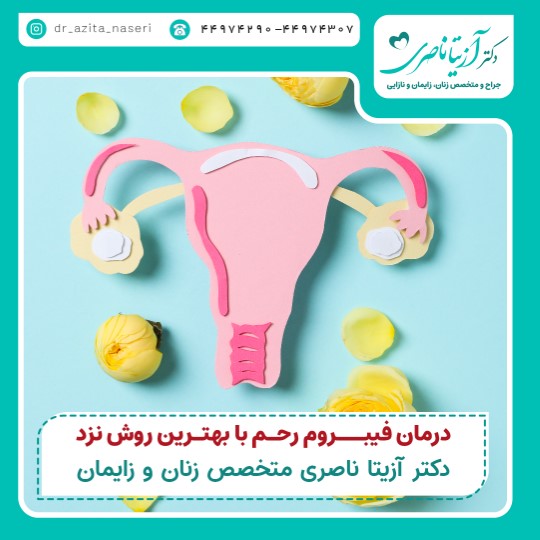
Uterine fibroid diagnosis methods
For the correct diagnosis and treatment of uterine fibroids, you should visit a gynecologist for a pelvic examination. During this examination, he will check the condition, size and shape of your uterus. You may also need imaging tests.
Ultrasound uses high-frequency sound waves to produce images of your uterus. Doing so allows your doctor to see the internal structures of your uterus as well as fibroids. transvaginal ultrasound, in which an ultrasound node is inserted into the vagina and provides clearer images; it is better Because during the ultrasound, it is closer to the uterus.Uterine fibroid treatment methods
A doctor will adjust your treatment plan based on your age, the size of the fibroids, and your overall health. Several methods can be used to treat the problem of uterine fibroids. Including:
Drug therapy
Medications may be prescribed to regulate hormone levels to shrink fibroids. Meanwhile, gonadotropin-releasing hormone agonists, such as leuprolide acetate, lower your estrogen and progesterone levels. This will eventually stop your period and make your fibroids smaller.Gonadotropin-releasing hormone agonists also help shrink fibroids. These drugs stop your body from producing follicle-stimulating hormone and luteinizing hormone. Examples are:
Non-invasive or minimally invasive methods to treat uterine fibroids
Ultrasound surgery is a new and completely non-invasive surgical method. You lie inside a special MRI machine, which allows the doctor to see the inside of your uterus. High-frequency sound waves are directed towards the fibroids to destroy them.
Myolysis methods (such as Acessa) shrink fibroids using heat sources such as electric current or laser; While "cryomyolysis" freezes fibroids. During endometrial ablation, a specialist doctor inserts a special tool into your uterus to destroy the lining of the uterus using heat, electric current, hot water, or extreme cold.
Another non-surgical option is uterine fibroid embolization. In this method, tiny particles are injected into the uterus to cut off the blood flow to the fibroids. In this method, fibroids may become smaller, but they do not disappear. Be sure to keep this point in mind, that this method will not be suitable for women who are planning to get pregnant.Uterine fibroid surgery
You may need surgery to remove very large lesions or multiple fibroids. This procedure is known as "myomectomy". During an abdominal myomectomy, the surgeon makes a large incision in the abdomen to access the uterus and remove the fibroids. Of course, it is better to keep in mind that fibroids may grow again after myomectomy.
Also, know that pregnancy increases the production of estrogen and progesterone in your body. Fibroids may grow and enlarge rapidly during pregnancy. If your condition worsens or if no other treatment is effective, your doctor may perform a hysterectomy. So it is better to treat uterine fibroids before such a big problem occurs.
It is better to keep in mind that the only treatment for fibroids is surgery. But all fibroids do not need surgery and the doctor decides on surgery based on the size of the tumor and its location. Many fibroids are monitored by a specialist doctor and periodic ultrasounds are performed on them to check the size of the fibroids. Finally, the specialist doctor will choose the best treatment method for it.
Summary
Uterine fibroid treatment can vary depending on the size, number, and location of the fibroids, as well as the symptoms they cause. If you are not experiencing any symptoms of fibroids, you may not need to treat them. Small fibroids can often go away without treatment. Some people experience no symptoms or problems with fibroids. But periodic examination of these masses with ultrasound is necessary and should be taken seriously.
Uterine fibroid is a common disease that many people experience during their lifetime. The best way to treat uterine fibroids depends on your plans for future pregnancies. So it is better to visit a specialist to choose the best treatment method. Dr. Azita Naseri, a specialist in gynecology, obstetrics and sterility, suggests the best treatment method to her patients in order to avoid any problems.
Therefore, you can confidently treat uterine fibroids and other diseases such as ovarian laziness treatment, treatment of uterine prolapse, colposcopy and...
FAQ
1- Does uterine fibroid cause pain ?
Fibroids are non-cancerous tumors that grow on the wall or lining of the uterus. Many women will have uterine fibroids at some point; But usually most of these women do not experience any symptoms. For some, fibroid pain can be severe. In addition, this issue can cause heavy menstrual bleeding and prolonged periods.2- How long does it take to recover from fibroid pain?
Fibroid pain may decrease after menopause; Although it may not disappear completely. If you have chosen the surgical method for uterine fibroid treatment, your pain will probably be relieved shortly after the surgery; But depending on your age, fibroids may come back later.
3- When should we go to the doctor to treat uterine fibroids?
Any pelvic pain, no matter how mild, is a reason to see a doctor or gynecologist. If you have problems such as excessively heavy and long menstrual periods, spotting between periods, pelvic pain or pressure that does not go away, or severe pelvic pain that occurs suddenly, difficulty urinating, etc. you encounter, it is better to visit a doctor to treat the problem of uterine fibroids.
- Can acupuncture help treat uterine fibroids?
In this case, we must state that accurate information is not available at the moment and more studies are needed.
5- If fibroids are not treated, what happens ?
If you have no symptoms, treatment for uterine fibroids may not be necessary. If you have large fibroids or your symptoms cause pain and discomfort, fibroid treatment may be the best option. Only you and your doctor can determine the best course of treatment. Of course, not treating this problem can cause many problems for you, so it is better to treat it seriously.