
Treatment of hand pain after angiography Dr. Seyed Alireza Najafi

Know the techniques for treating hand pain after angiography!
Since today angiography is considered one of the most important and reliable methods in the field of diagnosis and treatment of cardiovascular diseases, knowing the side effects and methods of reducing and managing these side effects, including hand pain after angiography, is of great help to the patient. In this article, Dr. Seyed Alireza Najafi, a specialist in cardiovascular diseases, provides the necessary information about hand angiography and the treatment of hand pain after angiography.
Easy accessShare content
Instagram Facebook X-twitter TelegramHow to perform angiography of the hand
Generally, angiography is very useful as a method to detect blood vessel blockages and in some cases to remove these blockages. This operation may be done by foot or hand. In manual angiography, a tube with the scientific name of a catheter is inserted into the vein through a very narrow cut in the wrist and is guided to different parts of the heart. Angiography through the hand may cause pain, which in the rest of the article we are going to examine the methods of treatment of hand pain after angiography together.
Steps of performing angiography of the hand
To perform angiography of the hand, observing that the patient is fasting, after anesthetizing the wrist, a small incision is made on it and the catheter is sent into the vein. Then, a contrast material is inserted into the vein for a better view, and while the catheter is inserted into different parts of the heart, images are taken of the veins, which review of these images determines the degree of blockage and blockage of the vessels and helps the doctor to make decisions in the field of choosing the treatment method of the disease.
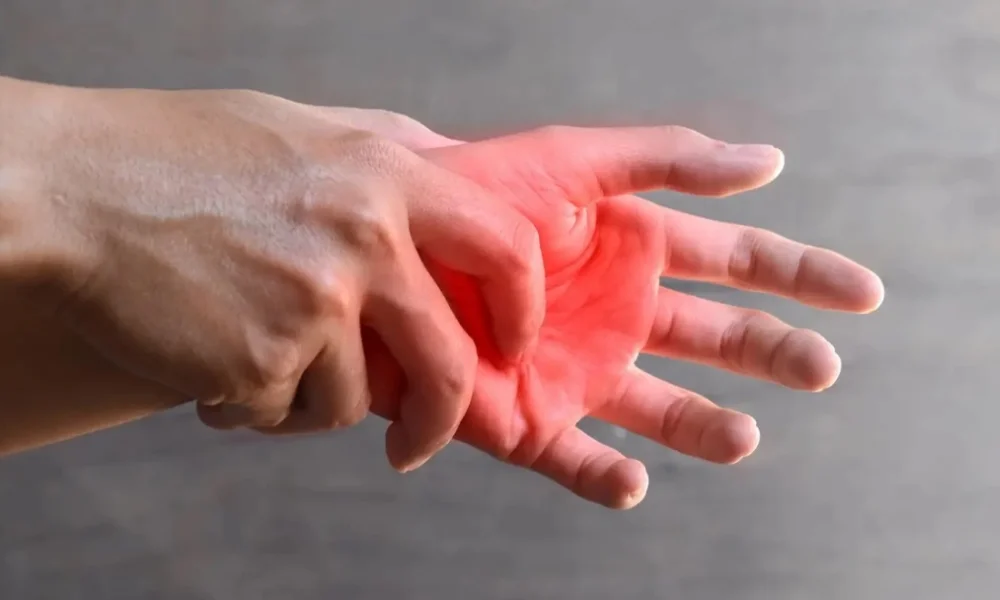
The importance of care after angiography of the hand
In general, after performing an angiography of the hand, having rest, using medicines prescribed by the attending physician, proper nutrition and diet, and general care of the catheter insertion site in order to prevent and reduce hand pain after angiography will significantly help to recover faster and treat complications related to the operation, including the treatment of hand pain.
What are the benefits of angiography of the hand?
Manual angiography has many advantages compared to other methods, which has made this method known as one of the most widely used methods for diagnosing and treating diseases related to heart vessels. Benefits such as those mentioned below:
- The accuracy of this method is very high due to the high resolution of the images taken and it depends on a more accurate diagnosis by the doctor.
- This method has a much lower risk of bleeding compared to angio through the groin, and as a result, the risk of blood clots at the catheter site is also minimized.
- Since the tissue of the wrist is softer than the foot, the possibility of bruising and swelling is also reduced.
- In this method, the hospitalization time, the patient's recovery period and the pain caused by the operation are reduced and the patient can return to his daily activities faster.
Reduction of anxiety in the patient due to the simplicity of the procedure, lower costs due to shorter hospitalization time, and performing this procedure for patients who for some reason cannot perform angiography through the leg are other advantages of this method.

Find out the cause of hand pain after angiography!
As mentioned in this article so far, hand pain after angiography is a normal and common complication. This pain can be caused by various reasons, including the following.
- When the catheter is inserted into the vein, the wall of the vein and the tissues around it are damaged and eventually become inflamed and painful. In addition, this entry can cause the nerves around the vessel to be stretched or subjected to pressure.
- Allergic reactions to the injected substance cause inflammation in the tissues around it, and these inflammations may also lead to pain and swelling.
- Minor bleeding at the catheter insertion site also leads to bruising and ultimately hand pain after angiography.
- Creation of infection due to non-observance of sterilization principles and blood clotting can be considered as other causes of hand pain.
How long will the hand pain last after angiography?
How long the hand pain lasts after angiography depends on the individual conditions of the patient and the type and accuracy of the angiography for each patient. The amount of damage to the veins is directly related to the length of time the pain lasts.
The skill and experience of the specialist doctor during angiography is effective on the amount of damage and, as a result, on the duration of pain. On the other hand, each person's body presents a different and unique response to the damage done to its tissues. In general, the duration of hand pain after angiography varies from a few days to a few weeks. In most of the operations, the pain gradually decreases and is completely cured by taking care after angiography.
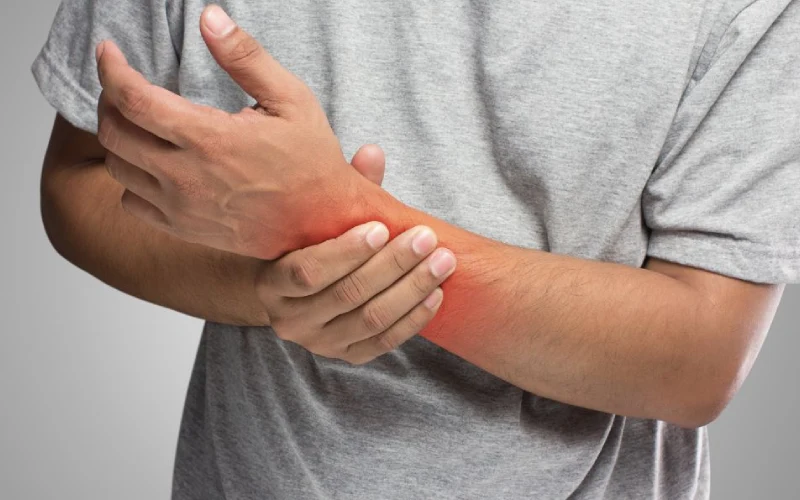
Familiarity with methods of treating hand pain after angiography
Treatment of hand pain after angiography is possible and fruitful according to its causes. Today, there are various methods to reduce and treat this pain.
- After angiography, give your hands a complete and absolute rest and refrain from heavy activities.
- Cold water compress in the form of placing an ice bag wrapped in a cloth on the painful area for 15 to 20 minutes and repeating it every few hours reduces the pain and swelling of the hand.
- After angiography, it is recommended to keep the hands up to relieve the pain.
- In some cases, physical therapy sessions by doing special exercises to strengthen muscles, improve movements and reduce pain.
- In consultation with your doctor, over-the-counter pain relievers such as acetaminophen or ibuprofen will help you reduce hand pain after angiography.
- Non-steroidal anti-inflammatory drugs also reduce hand pain.
- Sometimes the doctor also prescribes muscle relaxants or corticosteroid injections.
- If the pain is severe, an anesthetic drug may be injected around the nerve in order to reduce the pain.
- Liquid consumption, especially enough water, because it helps to eliminate toxins. Removing the injected substance from the body helps to improve the treatment process and reduce complications.
- Consumption of foods with vitamins and minerals also strengthens the immune system, and as a result, the wound heals quickly and prevents infection and ultimately leads to a reduction in the number of wounds.
Hand pain after angiography is the most common complication of this procedure. However, if after angiography the pain in your hand becomes severe, or symptoms such as fever, swelling, redness or numbness develop, see your doctor as soon as possible. It is important to remember that to treat hand pain after angiography, avoid self-administration of drugs and home remedies without consulting a doctor. Following your doctor's recommendations will help you speed up the healing process.
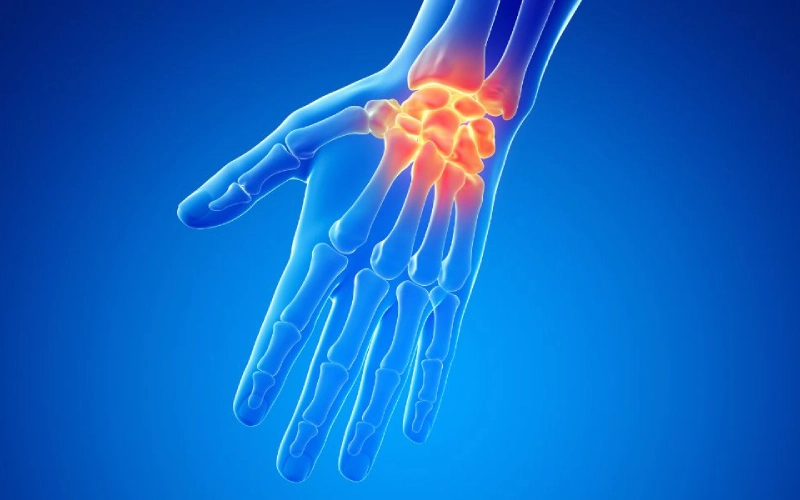
Checking complications of angiography of the hand
Although hand angiography has fewer risks than other methods, it is not completely without complications. In the following, we have talked more about common complications (normal and usual) and rare complications of hand angiography that occur in very special cases:
Common complications of hand angiography
The most common side effects related to hand angiography include pain, bruising, and swelling at the catheter insertion site. In some cases, limited and mild bleeding may occur at the place of cutting and insertion of the tube. There is also a possibility of infection if sterile methods are not used.
Rare complications of hand angiography
In very limited and even rare cases, due to the insertion of the catheter, there may be damage to the nerves or vessels around the tube location, which causes numbness and pain in the hand after angiography. In addition, the presence of a blood clot in the vein will lead to more serious problems. Sometimes there is a possibility that the patient is allergic to the injected substance, which leads to minor or even severe allergic reactions. Damage to the kidneys due to the injected substance is one of the rare side effects of missing angiography for patients who have previous kidney problems.
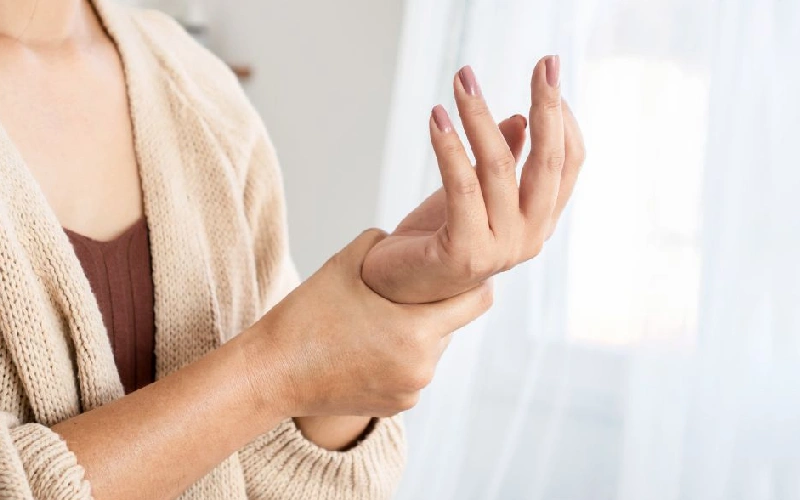
What is the cause of left hand pain after angiography?
Hand pain after angiography is one of the common side effects of this procedure. This pain causes pain in the left hand if the catheter is inserted in the left hand. Cutting the wrist and inserting the catheter and inflammation caused by the injected substance can cause hand pain after angiography. The intensity and duration of pain varies according to the patient's condition. If this pain persists after a few days and side symptoms such as severe swelling, fever, or numbness occur, it is necessary to consult a doctor to check the possibility of infection.
Right arm pain after angiography is normal?
Angiography through the hand Like the left hand, pain in the hand follows after angiography. The characteristics and causes of this complication are similar to pain in the left hand after angiography.
Edit Clone Comments read more Why care about leg veins? Solutions to prevent vascular problems
02
April
Why care about leg veins? Solutions to prevent vascular problems
02
April
 10 effective ways to maintain heart health and prevent cardiovascular diseases
02
April
10 effective ways to maintain heart health and prevent cardiovascular diseases
02
April
 introduction of several home treatment methods for varicose veins
07
D
introduction of several home treatment methods for varicose veins
07
D
 Preparation before taking an ECG; Should we be fasting to take an ECG?
07
D
Preparation before taking an ECG; Should we be fasting to take an ECG?
07
D
 The least dangerous methods of treating coronary artery occlusion
07
D
The least dangerous methods of treating coronary artery occlusion
07
D
 3-day apple weight loss diet
07
D
Your comments
0
0
votes
Article Rating
Subscribe to
0 Comments
the oldest
the most recent
The most votes
Feedback (Feedback) inline
View all comments
3-day apple weight loss diet
07
D
Your comments
0
0
votes
Article Rating
Subscribe to
0 Comments
the oldest
the most recent
The most votes
Feedback (Feedback) inline
View all comments
مقالات دیگر از Dr. Seyed Alireza Najafi

Review of 7 ways to prevent high blood pressure - Dr. Seyed Alireza Najafi
Review of 7 ways to prevent high blood pressure High blood pressure means that your heart is pumping blood around the body more forcefully. This extra pressure can damage blood vessels an...

What is normal blood pressure? - Dr. Seyed Alireza Najafi
What is normal blood pressure? Blood pressure is the force with which the blood presses against the walls of the vessels. This force is like water being forced out of a hose. The higher t...

How are pulmonary function tests? - Dr. Seyed Alireza Najafi
What are pulmonary function tests? Pulmonary function tests are a series of tests that help doctors evaluate how well your lungs are working. These tests can help diagnose and track lung...

Varicose vein treatment methods - Dr. Seyed Alireza Najafi
Types of varicose vein treatment methods Varicose veins are swollen and twisted veins that are often seen in the legs. These veins are created due to failure of venous valves and accumula...

Care after angiography at home Dr. Seyed Alireza Najafi
Care after angiography at home Dos and don'ts Care after angiography at home is very important for the healing process to go well and to avoid possible complications. By following the ti...

How is echocardiography performed? | Its cost, steps and complications
What is a cardiac echocardiogram? Transesophageal Echocardiography (TEE) is one of the advanced and accurate heart imaging methods that provides more comprehensive information than conven...

cause of chest pain; From heart diseases to lung and digestive problems
What is the cause of chest pain? Introduction of prevention and treatment methods The onset and duration of any disease in the body is associated with the development of symptoms and com...

treatment of varicose veins with laser; Say goodbye to varicose veins
Getting to know the methods of laser treatment of varicose veins Varicose veins, especially varicose veins of the legs, are among the most common diseases that, in addition to creating a...

7-day hydrotherapy regimen; Is it worth losing 3 to 4 kilos?
Seven-day hydrotherapy diet, the best fast weight loss diet The effect of any type of diet on a person depends on his physical condition, lifestyle and metabolic characteristics of his bo...

Fatty liver treatment diet; 3 of the best fatty liver diets
Is it possible to treat fatty liver with diet? Fatty liver treatment diet Today, fatty liver is one of the common diseases. One of the questions that most people with this disease have is...

How to take an ECG | The easiest way to diagnose heart diseases
How to take an ECG? Taking an electrocardiogram is a simple, painless and risk-free test that a doctor prescribes to check the electrical activity of the heart. The results of an electro...

Women's heart echo The importance of women's echo and its differences with men's heart echo
What is the difference between women's heart echo and men's echo? Nowadays, women may need an echocardiogram for several reasons, including congenital heart diseases, pregnancy complicati...

SEO site management services
Search engine optimization (SEO) services help you to rank your website higher in the search results of Google and other search engines.

Implementation of branding and digital advertising
Digital branding means creating a strong and distinctive brand in the digital space for a company or a specific product. This process involves using digital methods and strategies to build and strengthen the brand.

Website design for companies and businesses
Website design for companies and businesses can help you have a stronger online presence and attract more customers. Contact us for more information.
