
What to do with war anxiety?

I have war stress, what should I do? Symptoms and coping methods
- Mansoura Nikogovtar
- July 7, 1404
- No views
The content production team of John Ziba Psychology Clinicunder the supervision of
War has always been one of the most destructive and tense events in human history, which has a deep impact on our individual and collective lives. Facing war conditions is not only a threat to physical security, but also brings many psychological pressures that can lead to severe stress and psychological problems. War stress, both for soldiers and civilians in war-torn areas, has consequences such as war anxiety, depression, sleep disorders and reduced quality of life. War and crisis situations can cause extreme stress and constant worry. This type of stress is associated with direct threats, worries about the safety of the family and the future, and the experience of frightening events. Chronic stress caused by war can affect your mental health and your body and make everyday life difficult. Persistent anxiety and fear Nightmares and disorders. Sleep Irritability and intense anger Disturbances in concentration and memory Fatigue and lack of energy Understanding these symptoms is the first step to dealing with stress caused by crisis situations. Recognizing the symptoms Fear of War and finding effective ways to deal with war anxiety is of particular importance. In this article, we will first examine the symptoms of stress caused by war and then we will introduce different methods of dealing with and managing these conditions. Long-term stress causes an increase in cortisol hormone and pressure on the nervous system. This condition can lead to: Heart problems and high blood pressure Weakness of the immune system Anxiety and depression Sleep and eating disorders Also, severe stress can reduce the ability to make decisions and manage emotions and reduce daily life. make it complicated. Accepting fear and anxiety is normal. Allow yourself to experience your feelings and do not suppress them. This reduces mental stress and increases mental health. Deep breathing exercises, meditation and muscle relaxation can reduce the body's reaction to stress. Example: inhale for 4 seconds, hold your breath for 4 seconds, exhale for 4 seconds and stop for 4 seconds. A regular routine for sleep, food, exercise and favorite activities increases mental resilience and calms the mind. Constantly following war news increases anxiety and stress. Set certain hours to receive news and use reliable sources. Talking with family, friends, or trusted people can reduce stress and reduce feelings of loneliness. Social support acts as a shield for mental health. Light exercises such as walking, yoga or stretching can reduce stress and increase the release of happy hormones. Writing down thoughts and feelings daily helps calm the mind and identify negative patterns. In conditions of extreme stress caused by war, counseling with a psychologist or mental health specialist is very effective. A counselor can: Teach ways to deal with anxiety and fear Provide stress and sleep management methods Help rebuild mental resilience There is nothing wrong with using professional help; This action is a sign of self-awareness and self-care. Self-care during wartime includes the following points: Maintaining a healthy diet and consuming enough fluids Adequate rest and proper sleep Doing relaxing and favorite activities Limiting consumption of news and content Stressful These simple but effective actions can reduce stress and anxiety levels. STOP technique: Stop – Breathe – Observe – Act Music therapy: Listening to music Relaxation or the sound of nature Exercise gratitude: Write down three positive things you experienced today Focus on the present moment: Remind yourself that you are safe now and worry about the future These techniques help control stress reactions to combat situations and health Keep calm. Fear, stress and anxiety are all three psychological reactions related to threats, but they differ in terms of nature and intensity. Fear is a natural and immediate reaction to a specific and identifiable danger, usually accompanied by bodily responses such as increased heart rate, sweating, and focus on the threat. For example, in a war situation, seeing a sudden attack causes fear of war. But stress is a more extensive and continuous reaction that is created as a result of environmental, psychological or physical pressures and may be experienced without a direct threat; Like living in a war zone where one is constantly in danger. War stress causes mental and physical fatigue, sleep problems and mood changes. On the other hand, War anxiety is a constant and uncontrollable feeling of worry and anxiety about the future and consequences of war, which may continue even without immediate danger. Anxiety focuses more on negative thoughts and long-term worries and can lead to mental disorders such as panic attacks or depression. Symptoms of anxiety include restlessness, excessive worry, palpitations, sweating, and difficulty concentrating. War anxiety can have many negative effects on people's mental health and quality of life, but by using appropriate methods, these worries can be reduced and mental peace can be restored. In the following, 10 practical strategies for managing and dealing with war anxiety will be introduced, which will help improve the mental state and increase resilience. When you feel anxious, take a few deep and slow breaths to calm your mind. Meditation exercises and Mindfulness helps to focus on the present moment and prevents you from drowning in negative thoughts and future worries. and being organized to do things increases the sense of control and security and reduces the stress of war. The impact of war on children and adolescents War has deep and lasting effects on children and adolescents that severely affect their physical, mental and social health. Children and adolescents in war conditions are not only at direct risk of injury and death, but also psychologically vulnerable. Exposure to violence, loss of family and home, displacement and living in unsafe conditions can cause mental disorders such as anxiety, depression, and post-traumatic stress disorder (PTSD). In many cases, these disorders appear in children in the form of chronic fears, nightmares, sleep problems, and behavioral changes such as aggression or withdrawal. On the other hand, war disrupts the emotional and social development of children. Limiting access to education, play, and communication with peers reduces social and cognitive skills and limits natural opportunities for growth. Also, war can create deep feelings of insecurity and mistrust in children, the effects of which remain in adulthood. Experiencing repeated violence causes children to have a negative understanding of the world and people and lose the ability to communicate in a healthy way. War has deep and widespread effects on the human psyche. puts People involved in war - whether soldiers or civilians - are exposed to very painful, stressful and sometimes unbearable experiences that leave long-term psychological effects. Some of the consequences and psychological effects of war on humans are: Stress caused by war is natural and understandable. By recognizing the symptoms, practicing psychological techniques, social support and consulting a counselor, you can prevent mental burnout and maintain mental health. 🌿 Remember, paying attention to yourself and managing stress increases the power to deal with crises and makes life more bearable. These psychological effects sometimes They remain years after the end of the war and need psychotherapeutic and social support. If you are suffering from war stress or the symptoms of war anxiety are bothering you, you can get help from the experts of Jan Ziba Psychology Clinic online or in person. Address: Shariati, next to Hosseinieh Irshad, Golnabi Street, No. 49, 3rd floor, unit 31 Telephone number: 021-26701544 021-22895248 Mobile: 09102036378 Understanding War Stress
Common symptoms of war stress:
Psychological and physical effects of war stress
Methods to deal with the stress of war
1. Accepting feelings
2. Deep breathing and relaxation exercises
3. Creating a daily routine
4. Limiting news and social networks
5. Social support
6. Physical activity
7. Writing down feelings
Consulting a psychological counselor
Self-care in crisis situations
Short-term techniques to reduce anxiety

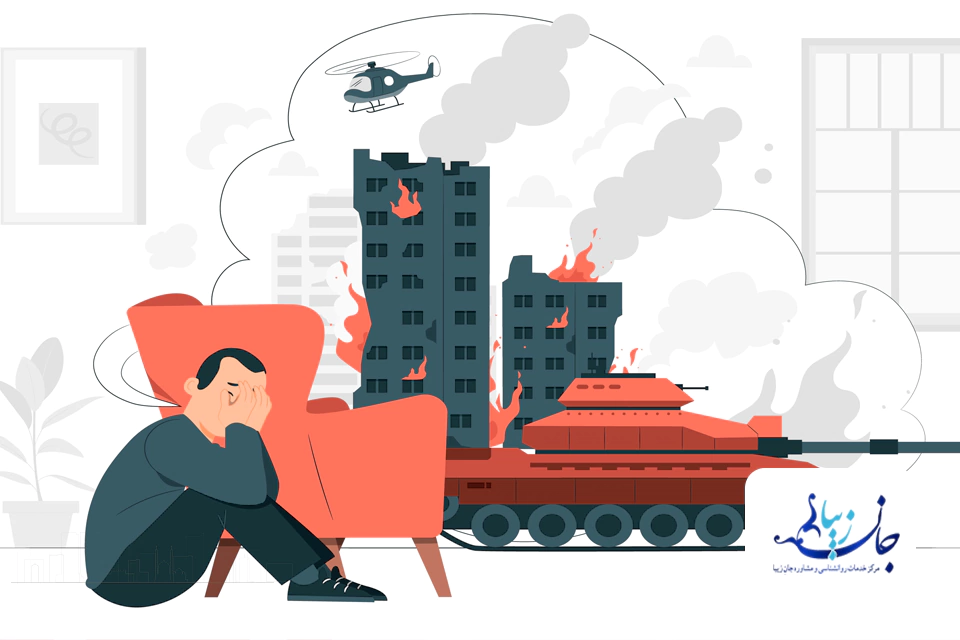 War stress
 Is there a difference between fear, stress, war anxiety? Signs and symptoms
10 solutions and methods to deal with war anxiety
Regular physical activity
Limit negative news and information
Maintaining contact with family and friends
Meditation and mindfulness
Adequate and regular sleep
Healthy nutrition and Balanced
Fun and creative activities
Request for professional help
 A turn with a war stress therapist
Create a regular daily schedule

Consequences and effects of war on the human psyche
Leave a message Cancel Answer
مقالات دیگر از Dr. Mansoure Nikogovtar


SEO site management services
Search engine optimization (SEO) services help you to rank your website higher in the search results of Google and other search engines.

Implementation of branding and digital advertising
Digital branding means creating a strong and distinctive brand in the digital space for a company or a specific product. This process involves using digital methods and strategies to build and strengthen the brand.

Website design for companies and businesses
Website design for companies and businesses can help you have a stronger online presence and attract more customers. Contact us for more information.
