
What is the physical therapy of peroneal tendonitis? Radin Physiotherapy Clinic

How is the physiotherapy for peroneal tendonitis?
- Category: Physiotherapy services, foot physiotherapy, articles
- Publication date: June 20, 2024
- Study time: 7 minutes

 Study time: 7 minutes
How is the physiotherapy for peroneal tendonitis?
How does physiotherapy for peroneal tendonitis help to treat this disease? Peroneal tendonitis is an inflammatory condition that occurs in the peroneal tendon, the tendon of the peroneal muscle. The peroneal tendon is responsible for connecting the peroneal muscle to the bone, which is located at the back of the leg. This muscle is responsible for returning the foot and participating in its stabilization.
When the peroneal tendon is under tension, it may be damaged due to various factors such as trauma, intense exercise, improper use of the foot, or other factors. This issue can lead to inflammation and inflammation of the peroneal tendon.
Symptoms of peroneal tendon inflammation may include pain and swelling in the back of the leg, stiffness and tenderness in the tendon area, limitation of leg movement, and discomfort when using the leg.
To diagnose peroneal tendon inflammation and determine the appropriate treatment, it is recommended to see an orthopedic specialist. The doctor may use imaging methods such as x-rays or ultrasound to check the condition of the tendon. Treatment includes rest, anti-inflammatories, physiotherapy, use of aids such as dressings, and in more severe cases, surgery may be possible.
It is important to stop physical activities and rest if you experience symptoms of pain and inflammation in the peroneal tendon area and see a doctor to get the correct diagnosis and treatment.

 Consultation and appointment booking
Call 26247611
What are the signs and symptoms of peroneal tendonitis?
Consultation and appointment booking
Call 26247611
What are the signs and symptoms of peroneal tendonitis?
Peroneal tendonitis presents signs and symptoms that can be as follows:
- Pain: Pain is felt in the back of the leg near the peroneal tendon. This pain can be severe or mild and may worsen during activities such as walking, running, or leg movements.
- Swelling: The area around the peroneal tendon may be swollen. This swelling can be limited to the tendon area or in some cases can develop throughout the leg. Stiffness and tenderness: The peroneal tendon area may be stiff and tender. Touching or pressing on this area can increase the pain and discomfort.
- Limitation in movement: Peroneal tendonitis may lead to limitation in leg movement. A feeling of stiffness and pain in the tendon can limit the strength and extension of the leg.
- Morning stiffness: In the morning when getting up from sleep or after sitting for a long time, there may be a feeling of stiffness and stiffness in the peroneal tendon area. This symptom usually decreases within a few minutes after moving and warming up the muscles.
If you experience any of these symptoms, it is recommended to see an orthopedic doctor to provide accurate diagnosis and appropriate treatment.
Read about ankle physiotherapy.
Reducing the pain of peroneal tendon inflammation with stretching movements
Stretching movements can help reduce the pain of peroneal tendonitis. In any case, it is important to consult your doctor or physical therapist before performing any type of exercise or movement to determine the best methods and exercises needed for your condition. Below are some general stretches that may be helpful:- Lateral leg stretch: Stand with your back against a wall and step one leg back, pressing your feet against the wall and feeling a stretch in the peroneal tendon area. Hold this movement for 15-30 seconds and then repeat.
- Stretching legs using a resistance ring: Stand on the side of a wall or column with a resistance ring. Place one foot in the ring and then pull the foot back, feeling the stretch in the peroneal tendon area. Hold this movement for 15-30 seconds and then repeat.
- Sitting leg stretch: Sit with the other leg forward, step one leg back and press on the peroneal tendon area with your hand to feel the stretch. Hold this movement for 15-30 seconds and then repeat.
- Bend leg stretch: Stand with bent legs in spinal flexion and step one leg back. Press on the peroneal tendon area with your hand and feel the stretch. Hold this movement for 15-30 seconds and then repeat.
It is important to stretch carefully and without tension or pain. If the pain increases or you experience more discomfort, it is better to stop these movements and see your doctor.
Read about heel fracture physiotherapy.
Peroneal tendon inflammation treatment methods
Treatment of peroneal tendon inflammation may include a combination of the following methods:


Rest and peace
The first step in the treatment of peroneal tendon inflammation is to rest and relax the affected area. Avoiding activities that lead to the imposition of stress and pressure on the peroneal tendon can help to improve the pain.
Anti-inflammatory injections
The doctor may inject anti-inflammatory drugs such as corticosteroids into the affected area to reduce inflammation and control pain.
Physiotherapy
Physiotherapy sessions can include stretching, strengthening and hydrotherapy exercises. These exercises help to strengthen peripheral muscles and improve flexibility and tendon function.
Compress
Using an ice compress (icing) in the inflamed area can help reduce inflammation and pain. This method narrows the blood vessels and reduces blood flow to the desired area.


Drugs
The use of non-steroidal anti-inflammatory drugs (NSAIDs), such as ibuprofen or naproxen, can be effective in reducing inflammation and pain. Your doctor may also prescribe other medications, such as antidepressants or analgesics.Support and foreign aid
Using bandages and braces can help support and strengthen the peroneal tendon and be useful in reducing pain and improving function.
It is important to consult your doctor before starting treatment to determine an accurate diagnosis and the right treatment plan for your condition. Also, inform your doctor if the pain continues and the symptoms worsen.
Hydrotherapy in the treatment of peroneal inflammation
Water therapy or hydrotherapy can be useful in the treatment of peroneal tendon inflammation. Hydrotherapy involves using the properties of water to relieve pain, reduce inflammation, and improve the function of muscles and tendons. Below are some hydrotherapy methods for treating peroneal tendonitis:
- Warm Baths: Bathing in warm water can help reduce pain and inflammation. Warm water can relax the muscles and reduce muscle tension. Swimming in warm water can also help relieve pain.
- Warm compress: Using a warm compress on the inflamed area can help relieve pain and reduce inflammation. You can use a warm towel or a warm blanket and place it on the affected area.
- Cold water: Using a cold compress can help relieve inflammation. Cold water can constrict blood vessels and reduce blood flow, which can be effective in reducing pain and inflammation. You can use ice or snow and place it on the inflamed area.
- Water massage: Water massage can help improve blood flow and reduce inflammation. You can massage the hands or feet under water or use a water jet to directly affect the inflamed area.
- Water exercises: Doing exercises in water, such as swimming or water exercises, can help strengthen the peripheral muscles and reduce stress on the peroneal tendon. Water reduces the amount of body weight and reduces the pressure on the tendon.
Before using water therapy, it is better to consult your doctor or physiotherapist to determine the appropriate methods for your condition.
Electrotherapy in the treatment of peroneal inflammation
Electrotherapy or electrophysiotherapy is a treatment method that uses electric current to relieve pain, reduce inflammation and improve the function of muscles and soft tissues. Treatment of peroneal tendonitis may also be treated using electrotherapy.
Below are some of the electrotherapy methods that may be used in the treatment of peroneal tendonitis:


Electric nerve stimulation
This method involves the use of electric current to stimulate the nerves associated with the damaged area. This method can help reduce pain, improve muscle function and increase blood flow to the required area.
Low frequency electrotherapy
In this method, a low-frequency electric current is applied to the inflamed area. This flow can help reduce inflammation, relieve pain and improve tendon function.Electrotherapy using heat
In this method, electric current is applied to the inflamed area along with the use of heat. This method may increase blood flow, reduce pain and improve tendon function.
Electrotherapy using ice
In this method, electric current is applied to the inflamed area along with the use of ice. This method can help relieve pain, reduce inflammation and muscle tension.


Concluding remarks
Physiotherapy plays a very important role in healing and treating peroneal tendon inflammation. Physical therapy includes strengthening and flexibility exercises and techniques that speed recovery and help reduce symptoms and pain. Usually, the physiotherapist will prescribe specific exercises for you to do on a regular basis. You can contact the Radin Specialized Clinic to speed up your recovery with the most advanced techniques and equipment by booking an appointment with the experienced staff of the complex. Contact the clinic Get appointment InstagramPhysiotherapy with insurance Supplemental
Physiotherapy with Asia Insurance Physiotherapy with social security insurance Physiotherapy with armed forces insurance Physiotherapy with Kausar Insurance Physiotherapy with teacher insurance Physiotherapy with entrepreneur insurance Physiotherapy with Sepeh Bank Insurance Physiotherapy with cooperative insurance Physiotherapy with Mellat Insurance Physiotherapy with Refah Bank Insurance Physiotherapy with SOS insurance Physiotherapy with Sarmad insurance Physiotherapy with Saman Insurance Physiotherapy with New business insurance Physiotherapy with Razi Insurance Physiotherapy with Salem city insurance Physiotherapy with Arman Insurance Physiotherapy with Bank Melli Insurance Physiotherapy with modern insurance Physiotherapy with Dana Insurance Physiotherapy with Parsian Insurance Physiotherapy with Sina Insurance Physiotherapy with Alborz Insurance- Tags: ,
You can contact the Radin Physiotherapy Clinic for more information and to get an appointment
4.7 10 votes The score of this article 0 comments The most votes Newest Oldest Feedback (Feedback) View all commentsTable of contents


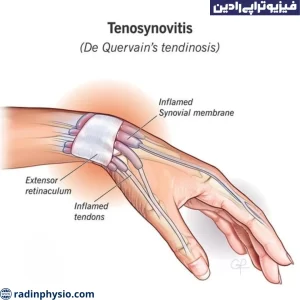
What is flexor tendonitis? Physiotherapy of flexor tendonitis
Read more

How is back physiotherapy performed? 3 treatment methods
Read more

Foot physiotherapy - 6 multiple injuries and treatment methods
Read more

Read more
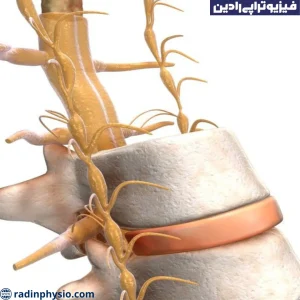
What is radiculopathy? How is radiculopathy physiotherapy?
Read more


What is shoulder calcium deposit (calcific tendonitis)?
Read more


What is a heel spur? + ways of treatment
Read more
Other educational articles
How is hand physiotherapy done? 5 treatment methods
Study time: 4 minutes One of the most common injuries and pains that occur to the body are injuries to the hands. Hand physiotherapy is one of the best and most effective ways to treat these injuries, in the rest of this article we will take a closer look at these injuries and their treatment methods.
Finger physiotherapy
Study time: 5 minutes for physical therapy of the finger, you must first be examined by a specialist and the condition of the finger will be examined. What is the extent of the disease and what is the person's age and physical condition has an effect on determining finger physiotherapy methods.
What is an osteotomy? Osteotomy physiotherapyStudy time: 12 minutes Osteotomy (Osteotomy) and physiotherapy Osteotomy is a surgical procedure that is used to correct the shape and position of bones and is usually used in treatment methods for patients who have musculoskeletal problems.
The main goal of osteotomy is to change the load axis of the bone to create proper loading and balance in the musculoskeletal system. This method can be used in the treatment of patients who have joint loading problems, bone deviations, abnormalities in the joint.
What is osteoporosis? How is osteoporosis physiotherapy?
Study time: 11 minutes What is osteoporosis and how is osteoporosis physiotherapy? Osteoporosis or osteoporosis is a disease in which the bones become weak and fragile due to a decrease in density and improper organization of minerals. This disease usually occurs due to a decrease in the production of minerals in the bones or an increase in the absorption of minerals from the bones into the blood.مقالات دیگر از Radin Physiotherapy Center

صفحه اصلی - کلینیک فیزیوتراپی رادین
دستانی که درمان میکنند کلینیک تخصصی فیزیوتراپی رادین، واقع در اقدسیه تهران محله آجودانیه، که یکی از بهترین فیزیوتراپی تهران شناخته میشود، با استفاده از بروزترین امکانات درما...

مگنت تراپی - کلینیک فیزیوتراپی رادین
مگنت تراپی تهران مرکز مگنت تراپی تهران کلینیک فیزیوتراپی رادین یکی از بهترین کلینیک و مرکز مگنت تر...

آب درمانی تهران - کلینیک فیزیوتراپی رادین
بهترین آب درمانی تهران آب درمانی تهران؛ یکی از متعددترین سوالاتی است که توسط بیماران و مراجعین فیزیوتراپی درباره آب درمانی پرسیده میشود، این است که بهتری...

فیزیوتراپی با بیمه - کلینیک فیزیوتراپی رادین
فیزیوتراپی با بیمه تکمیلی کلینیک فیزیوتراپی رادین جهت رفاه حال مراجعینی که قصد استفاده از فیزیوتراپی با بیمه...
فیزیوتراپی با بیمه - کلینیک فیزیوتراپی رادین
فیزیوتراپی با بیمه تکمیلی کلینیک فیزیوتراپی رادین جهت رفاه حال مراجعینی که قصد استفاده از فیزیوتراپی با بیمه...

کلینیک فیزیوتراپی دیسک کمر و گردن - کلینیک فیزیوتراپی رادین
دیسک گردن چیست؟ کلینیک فیزیوتراپی دیسک کمر و گردن یکی از مشکلات و...

کلینیک فیزیوتراپی پا و مچ پا - کلینیک فیزیوتراپی رادین
فیزیوتراپی پا چیست؟ در بهترین کلینیک فیزیوتراپی پا و مچ پا پا...

کلینیک فیزیوتراپی زانو - کلینیک فیزیوتراپی رادین
فیزیوتراپی زانو چیست؟ در بهترین کلینیک فیزیوتراپی زانو یکی از محبوب تر...

بهترین کلینیک درای نیدلینگ تهران - کلینیک فیزیوتراپی رادین
سوزن خشک چیست؟ درای نیدلینگ شمال تهران یکی از تکنیک های فیزیوتراپی برای درمان درد و مشکلات حرکتی این روش است. در این...

کلینیک فیزیوتراپی لگن - کلینیک فیزیوتراپی رادین
فیزیوتراپی لگن چیست؟ در بهترین کلینیک فیزیوتراپی لگن یک رشته...

Physiotherapy with basic insurance
Study time: 10 minutesWhat is knee locking? Knee locking physiotherapy, knee stiffness ======================================================= What is knee locking and how is physiotherapy for kne...

Physiotherapy with basic insurance
Study time: 8 minutesWhat is radiculopathy? How is radiculopathy physiotherapy? ===================================================== What is radiculopathy or radiculopathy syndrome? How is radicu...

SEO site management services
Search engine optimization (SEO) services help you to rank your website higher in the search results of Google and other search engines.

Implementation of branding and digital advertising
Digital branding means creating a strong and distinctive brand in the digital space for a company or a specific product. This process involves using digital methods and strategies to build and strengthen the brand.

Website design for companies and businesses
Website design for companies and businesses can help you have a stronger online presence and attract more customers. Contact us for more information.
