
What is paranoid personality disorder? 6 hidden signs + scientific solutions for management and treatment - Dr. Bayat Psychology and Neurofeedback Center

If you are looking for a deeper understanding of Paranoid Personality Disorder (PPD), this guide is just the resource you need. In this article, we have comprehensively defined this disorder, common signs and symptoms, causative factors and most importantly, scientific solutions for managing and treating paranoid personality disorder. This article is specially designed for people who are either struggling with this problem themselves, or someone close to them is facing such a challenge and they want to choose the right path with a clearer and more informed vision.
Paranoid personality disorder (PPD) is a mental disorder in which people constantly view the behavior and speech of others with suspicion. This disorder can lead to serious problems in social and work relationships and make a person face many challenges in his daily life. PPD is different from schizophrenia; But it can become the basis for the development of schizophrenia in a person.
What is paranoid personality disorder?
Paranoid personality disorder is one of the personality disorders of cluster A disorders, which is characterized by a persistent and pervasive pattern of extreme mistrust and irrational suspicion towards others. The affected person constantly interprets the behavior and motivation of others with a skeptical view and considers them threatening, humiliating or harmful; Even when there is no logical evidence for such a perception. These people usually tend to misinterpret the speech and normal behavior of others, and these misconceptions cause anger, resentment and defensive reactions in them.
People with PPD worry excessively about betrayal and are preoccupied with unnecessary doubts about the loyalty and trustworthiness of friends and family. PPD usually begins in early adulthood and often leads to an increased risk of developing depression and anxiety disorders. One of the prominent features of this disorder is extreme control, extreme sensitivity to criticism, unforgiveness of others, etc. As a result, the social and personal relationships of the affected person usually suffer from tension and frequent conflicts, and the people around them may consider his behavior strange, unusual or even hostile.
What are the 6 important symptoms of people with paranoid personality disorder?
Symptoms of paranoid personality disorder can appear in different ways and usually damage the social relationships and emotions of the person. Knowing and understanding these characteristics and symptoms will help the person and those around him to better cope with this situation and seek appropriate treatment if needed. Below are some of these signs and symptoms:
- Extreme distrust: These people are constantly suspicious of other people's intentions. They may even feel distrustful of close friends or family members and are always on the lookout for signs of betrayal or deception.
- Misinterpreting the behavior of others: Paranoid people may misinterpret the harmless behavior of others as threats or insults. For example, if someone comments on them, these people may think that they are trying to destroy their character.
- Inability to forgive: These people are usually spiteful and unable to forget or forgive others' bad behavior. They may dwell on a past hurt for years and hold on to these negative feelings.
- Uncriticism: People with this disorder are extremely sensitive to criticism and cannot accept the opinions of others. Even constructive criticism can make them angry or have strong negative reactions.
- Anger and Anger: Paranoid people usually react with anger and rage towards others. They may retaliate quickly and their relationship may suffer as a result. This anger is especially intensified when they feel humiliated or ignored.
- Avoidance of social connections: Due to fear of judgment or humiliation, people with paranoid personality disorder may avoid participating in social activities. This avoidance can lead to loneliness and isolation and fuel more psychological problems.
If you want to learn more about treatment of schizophrenia with neurofeedback and reduce the possibility of paranoid personality disorder turning into schizophrenia, refer to this article.
Is the cause of paranoid personality disorder known?
The main cause of this disease has not yet been determined, however, researchers believe that the combination of genetic and psychological factors is involved in the occurrence of such a complication. Considering that paranoid is more prevalent among people who have a family member with schizophrenia, researchers believe that there is a genetic relationship between these two personality disorders.
Painful physical and emotional experiences in childhood can contribute to paranoid. Unreasonable anger or excessive parental support can lead to a deep sense of insecurity in a child that turns into a paranoid personality disorder in adulthood. One, raising the child in the right way and not putting him in difficult emotional and physical situations can prevent him from getting this disorder.


Diagnosis of paranoid personality disorder
The personality of a person evolves during the development of a child and teenager, and with the perfection of a person's personality, it is possible to diagnose a paranoid disorder in him. Health professionals usually do not diagnose paranoid personality disorder until the age of 18. Diagnosing this disorder can be complicated and difficult because the person usually does not think that there is a problem with their behavior and way of thinking. People with paranoid personality disorder; They go to the doctor when they have other problems such as anxiety and depression; These problems are usually caused by paranoid personality disorder.
To diagnose paranoid personality disorder or PPD, a mental health professional such as a psychologist or psychiatrist must evaluate the patient. The paranoid personality disorder test is performed according to the individual's past, relationships, work history, and the physical and mental conditions of the person. A complete assessment is done to diagnose the disorder and the person's behavior is examined when placed in different situations or scenarios; To identify the possibility of a disorder. A definite diagnosis of PPD disorder is made by a psychiatrist, and then a treatment plan is considered for Fer.
Treatment of paranoid personality disorder in Shiraz
The consequences of paranoid personality disorder can be catastrophic and need to be treated thoroughly. This disorder is curable and the main method of treatment is psychotherapy. In addition to psychotherapy, self-confidence and family help are also very important and effective. Psychotherapy must be done by a trained specialist; Otherwise, it can cause more problems for the person and worsen the condition of paranoid disorder. Paranoid disorder leads to severe stress and anxiety in a person and in the case of Color mapping steps Brain
Psychotherapy is the main way to treat paranoid
Psychotherapy is one of the main and effective methods of treating paranoid personality disorder. This type of therapy helps people cope with their problems and gives them new tools to manage their emotions. People with paranoid disorder usually have difficulty in communicating with others and cannot establish healthy relationships; For this reason, the treatment of these people should be done as soon as possible.
Challenges of psychotherapy Psychotherapy for paranoid people can be complicated because they are usually extremely pessimistic and suspicious of others. These characteristics can prevent effective communication with the therapist. Therefore, the therapist should establish a strong and close relationship with the patient and try to gain his trust, even if it is a little.
Goals of psychotherapy In this type of therapy, the person learns how to identify and change their negative thoughts and beliefs. Also, the therapist helps the person to better manage their emotions and thereby improve their interpersonal relationships. Although paranoid people may not be completely cured and may need psychotherapy and individual counseling throughout their lives, psychotherapy It can be very effective in controlling the disorder and reducing its symptoms.
Drug therapy
Because medication may increase feelings of suspicion and paranoia in paranoid patients, as well as the possibility of treatment withdrawal, drug therapy is usually not considered as a first option. However, if there are certain conditions such as severe anxiety or hallucinations that affect a person's quality of life, certain medications may be prescribed. Medications can include antidepressants or anti-anxiety medications to help manage symptoms. In this situation, the doctor must carefully examine the patient's symptoms and needs in order to prescribe the best type of medicine.
New technologies
In recent years, new therapeutic technologies have found a special place in the management and improvement of personality disorders, including paranoid personality disorder. Methods such as neurofeedback, by teaching brain feedback to patients, help them correct unhealthy patterns of brain activity and have more control over their emotional reactions and pessimistic thoughts.
Steps to treat paranoid personality disorder
The treatment process for paranoid personality disorder usually involves several steps that help the person gradually approach recovery:
- initial consultation:
- At this stage, the first meeting between the person and the doctor or therapist takes place. The therapist talks with the person about the symptoms, history of the disease and his problems, and based on the information obtained, designs an appropriate treatment plan.
- Regular treatment sessions:
- Regular treatment sessions are very important to track progress. These sessions help the person to face new challenges and learn new ways to manage their situation.
- Family participation:
- The support of family and friends in the treatment process can have a positive effect on a person's recovery. Family awareness of the disorder and its characteristics can help reduce tensions and improve relationships. Educating family members about paranoid personality disorder and how to support the affected person can help improve the quality of life of the family and the individual.
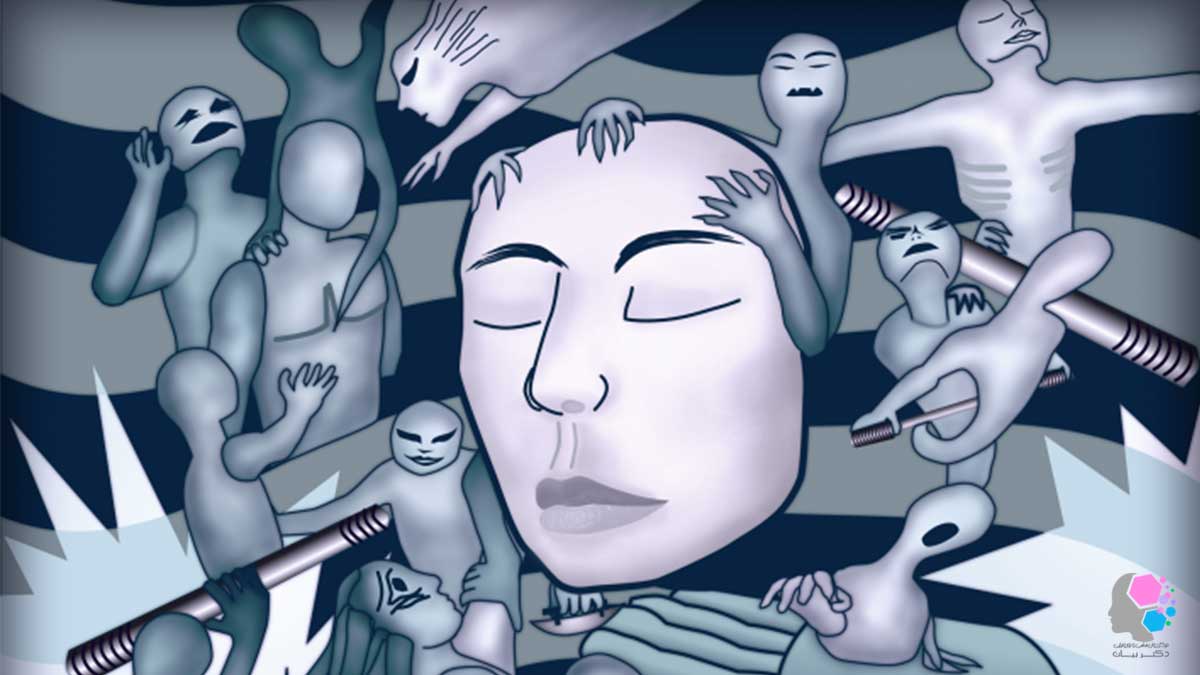
6 ways to deal with people with pessimistic personality disorder
The life and care of a person with paranoid disease can be complicated and require a lot of patience and effort; Not every person can be successful in caring for and accompanying these people, and this work requires a lot of love and affection for these people. The first thing you need to know when caring for people with paranoid disease is that the beliefs and thoughts of people with paranoid disease are caused by their fear and can be quite basic. Although their beliefs are unrealistic; But it can cause real fear and anxiety for them.
- Speak clearly. Paranoid people have different views and beliefs; which can cause isolation in these people. The best way to prevent paranoid people from isolating themselves is to talk to them clearly. If you disagree with their opinion, you can express it; This helps them to change their point of view if they are wrong.
- Recount the person's strengths. People with paranoia are often highly intelligent and high-functioning, apart from their interpersonal relationships. Mention him as a fully informed person and recount his positive qualities and behaviors.
- Exercise and physical activity are very beneficial. Regular physical activity releases endorphins that can reduce tension, boost your loved one's mood, and help manage symptoms of stress, anxiety, and depression.
- Yoga and meditation: People with pessimistic personality disorder usually have difficulty calming down; That's why having a way to vent and relax can be helpful. Yoga and meditation can be very helpful in practicing relaxation and controlling paranoid symptoms.
- Pay attention to their fear. You may not agree that these people are subject to fear and danger; But try to understand their feelings. The feeling of fear of these people, even though it has irrational reasons; But as said, it is real.
- Encouraging treatment and getting help: It may be difficult for people with pessimistic personality disorder to get help; But you assure the person that you can be there for him when he needs help. His mistrust may interfere with his willingness to take prescribed medications or attend therapy sessions; For this reason, encouraging the person to follow the treatment plan is very effective in helping him.
Who are more likely to suffer from PPD disorder?
Paranoid personality disorder may appear for the first time in childhood and adolescence and can appear in children with social anxiety and withdrawal. Paranoid disorder is more common among men and is more common in certain groups such as immigrants and the elderly. This disorder occurs at the beginning of adulthood, that is, at least at the age of 18, with suspicion and unproven suspicions. The prevalence of this disorder is higher in people who are addicted to alcohol consumption.
What is the prevalence of paranoid disorder?
Paranoid disorder is one of the mental illnesses that can disrupt the life of a person and those around him. This mental disorder is one of the rare types of mental illness that does not affect many people, and based on data published in reliable psychiatric sources, the prevalence of paranoid personality disorder is about 3.2% of the general population. Paranoid personality disorder is more common in men than women, and its prevalence is higher in some high-risk groups such as low-income families, minority groups, immigrants, the elderly, and people with a family history of schizophrenia.

Summary
Paranoid personality disorder, if it exists in a person, can cause people to move away from him and he cannot create healthy relationships in his life. As mentioned, the treatment of this disorder can be complicated and choosing an experienced and expert therapist is very important. At Bayat Psychology Center, many experienced psychologists have experience in treating various personality disorders, including paranoid, and can provide the best type of counseling to the patient. Bayat Neurofeedback and Loretta Psychology Clinic deals with the treatment of all kinds of mental disorders that can disturb the life of the person and the people around them, and provides the best treatment methods to these people.
Authentic sources used in this article:
Paranoid Personality Disorder (PPD)
Frequently asked questions about paranoid personality disorder
1- What are people with paranoid personality disorder like?
People who suffer from paranoid disorder always look for some kind of threat or humiliation in the behavior of those around them and consider their behavior threatening and harmful.
2-Is the prevalence of paranoid personality disorder higher in men than in women?
Yes. The prevalence of paranoid disorder is higher among men, and it is more common in some groups such as immigrants and the elderly.
3-What is the main method of treating people with paranoid personality disorder?
This disorder can be treated and the main method of its treatment can be called psychotherapy. In addition to psychotherapy, self-confidence and family help are also very important and effective.
4-Is drug therapy suitable for paranoid treatment?
Since the drug increases the feeling of suspicion and skepticism in the patient and there is a possibility of leaving the treatment, drug treatment is not recommended.
5- How many percent of people in the world suffer from paranoid personality disorder?
This mental disorder is one of the rare types of mental illness that does not affect many people and only between 0.5 and 2.5% of people in the whole world suffer from this mental disorder.
مقالات دیگر از Dr. Hossein Bayat


SEO site management services
Search engine optimization (SEO) services help you to rank your website higher in the search results of Google and other search engines.

Implementation of branding and digital advertising
Digital branding means creating a strong and distinctive brand in the digital space for a company or a specific product. This process involves using digital methods and strategies to build and strengthen the brand.

Website design for companies and businesses
Website design for companies and businesses can help you have a stronger online presence and attract more customers. Contact us for more information.
