
What is long QT syndrome LQT in children? - Dr. Saeed Bitarafan, pediatric heart specialist

Home » Blog » LQT syndrome in children What is it?
What is long QT syndrome LQT in children?
Long QT syndrome LQT is a possible congenital disease. The first symptom is sudden death. In this article, we will explain the definition, symptoms, causes, risk factors, course, and safety tips for parents with children suffering from this syndrome.
What is the definition of LQT long QT syndrome?
LQT long QT syndrome is a disease that affects the normal electrical activity of the heart.
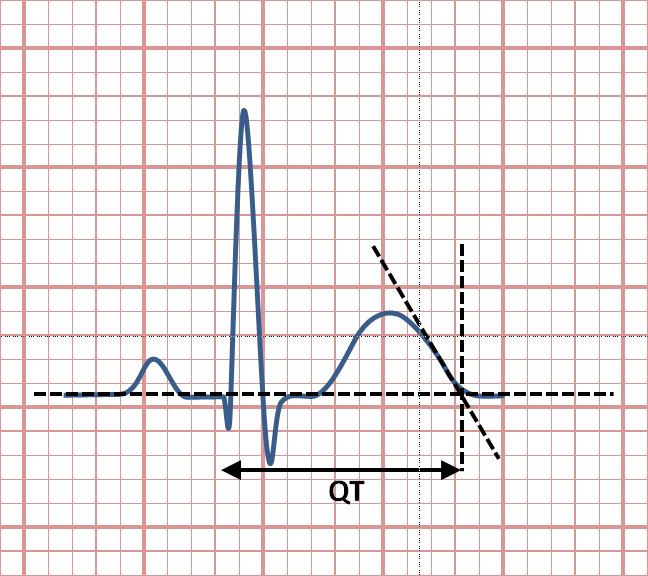
The term QT (QT) refers to a part of the curve in the ECG. who has a problem with this syndrome. Other names of this congenital syndrome include Jerol and Long Nielsen syndrome or Romano Ward syndrome. While the presence of long QT syndrome LQT does not always cause symptoms. But it can suddenly cause life-threatening cardiac arrhythmias (abnormal heartbeats). People with long QT syndrome can experience episodes of fainting or passing out. If your child has LQT syndrome. It is important to manage it to prevent these fatal abnormal heartbeats from occurring.
Related articlebar When is the heart prescribed in children?
 syndrome How is long QT LQT diagnosed?
The doctor may. Detect long QT syndrome on an ECG before the patient has symptoms. It is a visual tracing of the heart's electrical activity on an electrocardiogram.
Related content
every One of these changes indicates what is happening in the heart. In addition to examining each part of the waveform in the ECG, doctors also measure the distance between them. It includes the interval between the start of the Q segment of the QRS complex and the T wave. If the distance between these items is consistently greater than expected. Long QT syndrome is diagnosed. Long QT syndrome is a concern. Because the heart needs a steady rhythm and normal electrical activity to regulate the heartbeat correctly. In dangerous cardiac arrhythmias, the heart does not pump blood regularly. When this happens, oxygen-rich blood is not pumped to the brain and body. LQT syndrome can be hereditary or acquired. This means that something more than genetics causes it. There are seven types of inherited long QT syndrome. Their numbers are LQTS 1, LQTS 2, etc. Researchers have identified more than 15 different types of genetic mutations that can lead to long QT syndrome. Long QT syndrome can be caused by certain medications. Among them: some people may. unconsciously inherited this disease. But they don't get symptoms until they start taking medicine that makes it worse. If you take any of these medicines for a long time. Your doctor may regularly monitor your heart rhythm with an EKG to check for abnormalities. Several Something else can cause LQT syndrome. Especially those that cause loss of potassium or sodium from the bloodstream. Such as: Having a family history of long QT syndrome LQT is a major risk factor for this disease. But this is difficult to know. Because it doesn't always cause symptoms. Instead, some may. Just say that one of their family members died unexpectedly and suddenly or drowned. This may happen while swimming. Other risk factors include: There is no treatment for long LQT syndrome. Instead, treatment usually involves reducing the risk of developing heart arrhythmias (dangerous abnormal beats) by: If you feel faint or other Symptoms of abnormal heart rhythm, the doctor may. Recommend more aggressive treatment such as implantable pacemaker or cardioverter defibrillator. These devices detect and correct abnormal heart rhythms. Sometimes the doctor needs to repair the electrical nerves of the heart that transmit the rhythms incorrectly. Recommends an evacuation or surgery. https://www.mayoclinic.org/diseases-conditions/long-qt-syndrome/symptoms-causes/syc-20352518 https://www.betterhealth.vic.gov.au/health/conditionsandtreatments/long-qt-syndrome https://my.clevelandclinic.org/health/diseases/17183-long-q-t-syndrome-lqts https://www.healthline.com/health/long-qt-syndrome#causes
What causes LQT syndrome?

What are the risk factors for long QT syndrome LQT?
Treatment What is long LQT syndrome?
Table of contents

Dr. Saeed Bitarafan
Dr. Saeed Bitarafan is a specialist in children's heart diseases, fetal echocardiography and a specialist in pediatric diseases.
All articles

 contact us
Get in touch with us
contact us
Get in touch with us
Office address
Tehran, Pasdaran, between 9th and 10th Bostan, Bostan Building, No. 297, South Yard, 3rd Floor, Unit 38
Directions to the office Navigation with Wizwazeoffice hours
All days of the week except Tuesdays by appointment
021-22792481-021-22792694 - 09028888530
مقالات دیگر از Dr. Saeed Bitarafan


SEO site management services
Search engine optimization (SEO) services help you to rank your website higher in the search results of Google and other search engines.

Implementation of branding and digital advertising
Digital branding means creating a strong and distinctive brand in the digital space for a company or a specific product. This process involves using digital methods and strategies to build and strengthen the brand.

Website design for companies and businesses
Website design for companies and businesses can help you have a stronger online presence and attract more customers. Contact us for more information.
