
What is heart failure in children and adolescents? - Dr. Saeed Bitarafan, pediatric heart specialist

home » blog » Heart failure in children and adolescents What is it?
What is heart failure in children and adolescents?
Heart failure in children is one of the relatively common heart problems at a young age, which can cause great concern for parents. In this article, we have tried to explain this disease and its symptoms in simple and comprehensive language so that you can gain more knowledge about it. In the end, if you have any questions, you can send your question through the online question and answer section of the website to get the answer.
How does the heart work?
A small percentage of babies have a structural heart problem. The heart is a pump. It is divided into two parts, right and left. Each of which has an upper and a lower part.
The upper part which is called vestibule. It receives blood from the body and pumps it through a one-way valve into the lower part called the ventricle. pumps These valves prevent the backflow of blood in the heart. The right side of the heart receives deoxygenated blood from the body and sends it to the lungs where oxygen is added to it. It pumps.
This oxygen-rich blood leaves the lungs and enters the left side of the heart. It is then pumped into the aorta, which distributes it throughout the body. to provide oxygen and nutrients for the growth and normal functions of the body.
After using oxygen, the body returns the deoxygenated blood to the right side of the heart and the cycle continues.
A wall called the septum separates the two sides of the heart. Therefore, no oxygen-rich and deoxygenated blood can mix with each other. The heart muscle receives oxygen-rich blood from special blood vessels called coronary arteries.
The pumping action of the heart is controlled by an internal electrical system, just like a battery and internal wires.
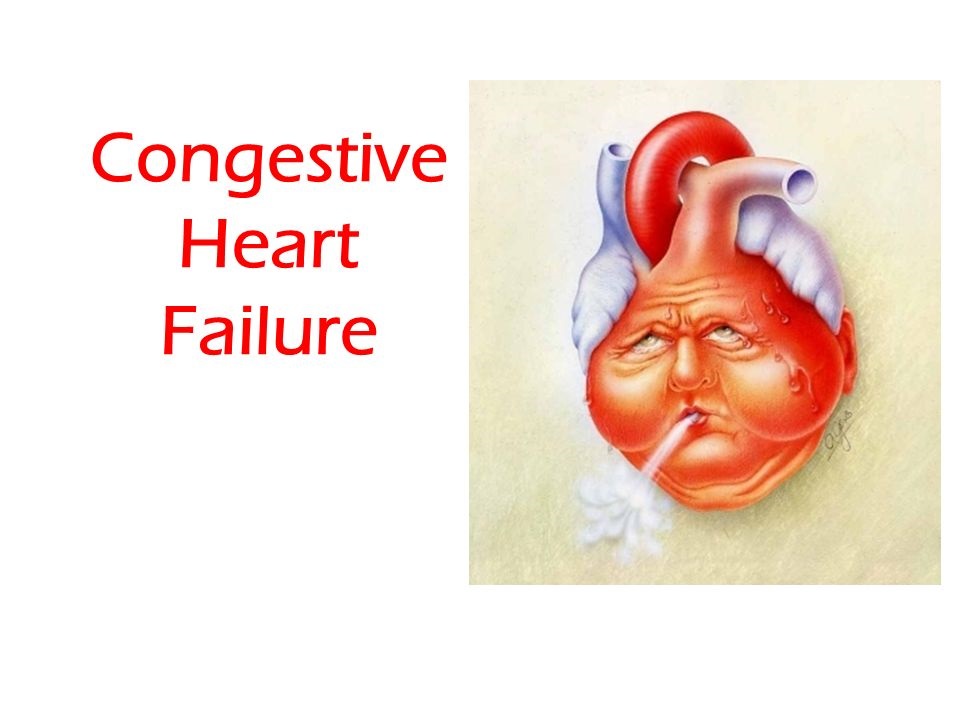
What does heart failure mean in children?
For the child to grow and develop, the heart must maintain normal pumping action. To provide optimal blood flow in the body. But sometimes the baby's heart may not work normally. The term "heart failure" describes the heart. That does not work properly. This does not mean that the heart has stopped working. Instead, it doesn't work as it should. Heart failure in adults occurs due to the effects of smoking, high blood pressure, diabetes, coronary artery disease, and abnormal heart valves. It is possible. Occur in babies, infants, toddlers and teenagers for other reasons.
Because heart failure has different causes and consequences. It is important to know how to diagnose, recover and even treat in younger children.

Reason The main causes of heart failure in children
There are two main reasons for heart failure in children and adolescents. The first is "excessive circulatory failure" and occurs when blood mixes in the heart due to a congenital heart defect.
The second is "pump failure" and it happens when the heart muscle is damaged and no longer contracts normally.
What factors cause heart failure in children?
Excessive circulatory failure
About one percent of newborn children will have some kind of structural heart defect. In some of these defects, there are holes between the right and left chambers of the heart. Because of these holes, deoxygenated and oxygen-rich blood mix in the heart.
Blood vessel defects in the head to head parts of the body (arteriovenous malformations) can cause similar mixing of oxygen-rich and deoxygenated blood outside the heart.
Abnormal heart valves can cause heart failure. An abnormal valve that does not close properly. It causes blood to leak backwards. Rarely, a throat infection can. leading to damage to healthy heart valves and their leakage. Finally, anemia can also lead to heart failure. These defects lead to excessive circulatory failure. In each of these cases, a pattern of excessive blood circulation occurs in one or more parts of the heart. The normal forward flow of blood is cut off and the heart becomes an inefficient pump.

failure Pump
Like the heart in adults, the heart of a child is also possible. pump failure. This condition can be caused by a viral infection that damages the normal heart muscle. Or pump failure can occur due to coronary artery problems and prevent effective blood flow in the heart muscle. Such cases of coronary artery disease can occur from birth or be the result of an infection.
Certain medications used to treat certain medical problems (such as cancer or leukemia) may damage the heart muscle. The heart's electrical system may be abnormal from birth or damaged by infection, causing the heart to beat too slowly or too fast.
Sometimes one of the heart valves does not open properly and causes. The pressure inside the chambers of the heart increases. Rarely, a severe blow to the chest may damage the heart. Children with muscular dystrophy are finally possible. In both situations, the heart muscle becomes unable to function normally. The heart becomes an inefficient pump.
 Pediatric heart echocardiography
 How is heart failure treated?
If heart failure is caused by excessive blood circulation due to congenital heart defects. Surgery is often required to repair the defect. Often, the doctor may initially treat your child with medications that sometimes require hospitalization.
Medications may include diuretics (diuretics) and heart rate reducers. These drugs can help to empty the excess volume, reduce resistance to blood pressure and improve the pumping function of the heart.
Because excessive circulation causes poor growth and development. Your doctor may consider nutritional supplements to provide enough calories to compensate for increased energy needs.
Other dietary changes such as low salt and low fat diets may be needed. After proper treatment, your child's condition and symptoms may improve. This condition is called decompensated heart failure.
However, the underlying cause may persist. If heart surgery is needed, you can consult with the doctor about the types of surgery or other treatment methods available.
If heart failure is caused by pump failure, the same drugs mentioned above can be used. Sometimes other drugs that lower blood pressure help the heart pump.
Hospitalization may be necessary to further improve heart function. In some cases, surgery may be necessary, such as replacement of the damaged heart valve.

Failure A pump caused by a very slow heart rate often requires a pacemaker. Pacemakers help maintain the normal heartbeat. The small, battery-powered devices are similar to tiny computers and are implanted under your child's skin with a small lead connected to the heart. This requires surgery.
If the pump failure is caused by a very fast heartbeat. Your child may need medication to control the heartbeat.
In other cases, a specialized cardiac catheterization procedure called radiofrequency ablation may be recommended to correct the abnormal heart rhythm. This method uses short radio waves in the area of the heart muscle that has caused a rapid heartbeat.
Rarely, if pump failure is caused by irreversible muscle damage. Heart function may not improve with medication and may continue to worsen.
In these situations, a special pacemaker, mechanical pump (LVAD) or ECMO (extra-membrane oxygenation) may be needed to temporarily improve the heart's pumping function. If heart muscle function is deteriorating despite treatment, your cardiologist may recommend a heart transplant.
Finally
Although heart failure can happen to any child. This is not necessarily a hopeless situation. Many of its reasons can be corrected. Parents and family members must understand the causes and treatment of heart failure in their child. When parents ensure that proper medical care is provided and with the availability of newer techniques and drugs, most children with heart failure are able to grow and live an active life. Dr. Saeed Bitarafan, Pediatric and Fetal Cardiology Specialist. Specialist in fetal heart echocardiography
For more information, please read the following articles.
https://www.pediatr-neonatol.com/article/S1875-9572(17)30050-5/fulltext
https://www.heart.org/en/health-topics/heart-failure/what-is-heart-failure/heart-failure-in-children-and-adolescents-adolescents
Table of contents

Dr. Saeed Bitarafan
Dr. Saeed Bitarafan is a specialist in children's heart diseases, fetal echocardiography and a specialist in pediatric diseases. All articles
 contact us
Get in touch with us
contact us
Get in touch with us
Office address
Tehran, Pasdaran, between 9th and 10th Bostan, Bostan Building, No. 297, South Yard, 3rd Floor, Unit 38
Directions to the office Navigation with Wizwazeoffice hours
All days of the week except Tuesdays by appointment
021-22792481-021-22792694 - 09028888530
مقالات دیگر از Dr. Saeed Bitarafan


SEO site management services
Search engine optimization (SEO) services help you to rank your website higher in the search results of Google and other search engines.

Implementation of branding and digital advertising
Digital branding means creating a strong and distinctive brand in the digital space for a company or a specific product. This process involves using digital methods and strategies to build and strengthen the brand.

Website design for companies and businesses
Website design for companies and businesses can help you have a stronger online presence and attract more customers. Contact us for more information.
