
Neurofeedback: applications and limitations

Neurofeedback: applications and limitations
- September 15, 2025
- Author: Dr. Majid Kehanifard
- The article has been reviewed and approved by Dr. Majid Kehanifard
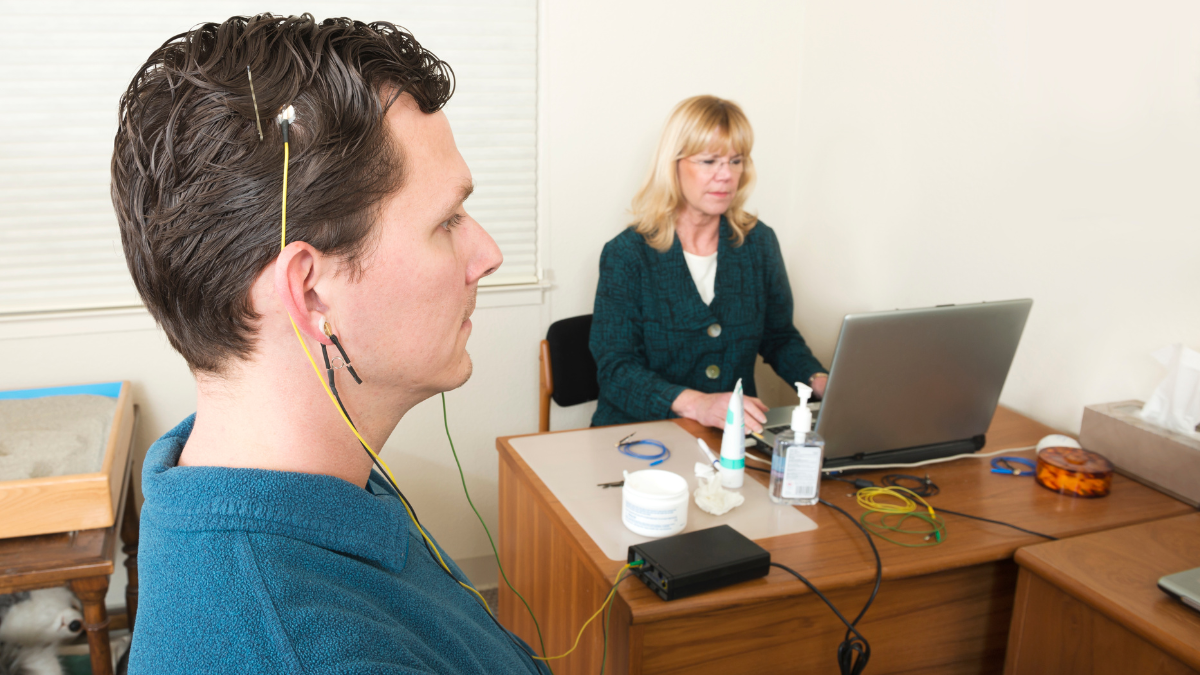
Neurofeedback therapy is a non-invasive and innovative method that allows patients to improve their brain activity using electrical feedback. By recording and analyzing brain waves, this technique helps patients identify and correct abnormal patterns of brain activity. Neurofeedback is particularly effective in the treatment of mental disorders such as anxiety, depression, and ADHD, and is known as a safe and side-effect-free alternative to medications. This method also improves sleep quality and cognitive function by training the brain to produce healthier patterns. In the rest of this article, we will examine the various applications of neurofeedback in the treatment of mental and neurological disorders, the role of specialists in the implementation of this method, as well as its challenges and limitations. Stay with us.
Related services: EEG
Electroencephalography or electroencephalography (EEG) is a vital tool in neurofeedback that helps to record and analyze the electrical activities of the brain. This technique allows people to control their thinking and behavior patterns by receiving feedback from their brain waves. EEG helps to diagnose neurological disorders, evaluate the effectiveness of treatments and design treatment protocols. Also, using specialized software, EEG data are converted into color maps that provide detailed information about brain activity.
What is neurofeedback and how does it work?
Neurofeedback involves placing sensors on the head to record brain activity. These sensors non-invasively and painlessly record brain waves and the collected information is transferred to a computer and analyzed. Then, feedback is provided to the patient, which can include a visual or auditory display. This feedback helps people identify their brain patterns and thus focus on positive changes. The neurofeedback process allows patients to manage their brain activity with specific exercises and see improvements in conditions such as anxiety, depression, attention deficit hyperactivity disorder (ADHD), and other neurological disorders. With the passage of time and continuous practice, people can achieve lasting changes in their brain patterns that help improve their quality of life.
The role of doctor services in the implementation of neurofeedback
Doctors help to optimize the treatment process by reviewing medical records and monitoring sessions. This close relationship between the doctor and the patient not only leads to a more accurate diagnosis of diseases, but also has a positive effect on the patient's satisfaction with the treatment process. Also, the use of office management software provides the possibility of automating tasks and improving communication, which ultimately helps to increase the quality of medical services and reduce human errors. These measures speed up the treatment process and improve clinical results. Analyzing the results with EEG to optimize the sessions. Detailed analysis of the EEG (electroencephalography) results helps to identify dysfunctional brain patterns and plays an important role in setting neurofeedback sessions. Using advanced techniques such as QEEG, raw EEG data are converted into digital signals and analyzed with sophisticated algorithms. These analyzes include examining frequency power, correlation between different brain regions and time-frequency analyses. The results of these analyzes are displayed as color maps or different graphs that show the brain activities in different areas. These maps help doctors identify abnormal patterns and design effective treatment plans. As a therapeutic method, neurofeedback provides real-time feedback of brain activity and helps patients correct dysfunctional patterns with practice. Using EEG analysis, doctors can create personalized protocols for neurofeedback that help improve brain function and reduce the symptoms of neurological and mental disorders
Applications of neurofeedback in mental and neurological problems
As a non-invasive treatment method, neurofeedback has wide applications in mental and neurological problems. This technique helps patients identify and correct dysfunctional patterns by analyzing their brain activity. Some of these uses include:
- Anxiety and depression: Neurofeedback can help regulate brain activity associated with anxiety and depression, so that patients are able to control their emotions.
- Attention deficit hyperactivity disorder (ADHD): This method helps improve focus and reduce aggressive behaviors.
- Disorders Sleep: Neurofeedback can help improve sleep quality and reduce sleep disorders. Behavioral disorders: This method is effective in treating disorders such as obsessive-compulsive disorder and bipolar disorder. Brain injuries: Neurofeedback helps restore brain function for people who have suffered a concussion or stroke. Research has shown that neurofeedback can have positive effects on the cognitive, emotional and behavioral performance of patients and ultimately lead to an improvement in their quality of life.
 With the help of neurofeedback, patients can treat their mental and neurological problems, which are in the image of the person being treated.
 Management of anxiety, ADHD, and sleep problems
As a non-invasive treatment method, neurofeedback has effective applications in the management of mental and neurological problems such as anxiety, ADHD, and sleep disorders. This method helps patients to have more control over their nervous reactions. Some of these methods are:
- Management of anxiety: Neurofeedback helps calm the mind by reducing brain activity related to anxiety. This technique can help reduce anxiety symptoms such as tension and heart palpitations. ADHD: In people with attention deficit hyperactivity disorder (ADHD), neurofeedback helps regulate brain wave activity and increase concentration. This method reduces attention and concentration problems by training the brain to balance between theta and beta waves.
- Sleep disorders: Neurofeedback helps improve sleep quality and reduce insomnia. By regulating the brain's electrical activity, this method can lead to increased deep sleep and reduced time to fall asleep. Finally, as a complementary treatment along with other treatment methods, neurofeedback can have positive effects on the quality of life of patients.
 Neurofeedback as a non-invasive treatment method has a high effect in treating sleep problems. In the picture, you see a person who suffers from insomnia.
 Challenges and limitations of this treatment method
As a non-invasive treatment method, neurofeedback faces challenges and limitations. Among these limitations, the following can be mentioned:
- No guarantee of definitive results: The effectiveness of neurofeedback is not the same for all patients and the results may vary. Some studies have shown that in some cases, the results were not satisfactory or even the lack of effectiveness was reported.
- Requirement of frequent sessions: To achieve the desired results, patients usually need to participate in numerous sessions which can be time-consuming and expensive.
- High cost; High treatment costs can prevent many people from accessing this method.
- Need for expertise: Proper implementation of neurofeedback requires expertise and experience. Lack of knowledge in interpreting the results can lead to misuse of the resulting information.
- Side effects: Although serious side effects are rare, some patients may experience headaches, anxiety or fatigue after sessions. In summary, while neurofeedback can act as an effective treatment method in some cases, its challenges and limitations should be considered.
Conclusion
Neurofeedback is known as a promising method for the treatment of mental and neurological disorders, but more research is needed to confirm its effectiveness. This technique uses neural feedback to help patients regulate their brain activity. Neurofeedback techniques involve recording brain activity with nerve and muscle tape and analyzing the data to identify dysfunctional patterns. Also, cerebral doppler ultrasound can be useful in assessing cerebral blood flow and its effect on brain function. Specialists such as neurologists play an important role in guiding this treatment, especially for patients with problems such as brain damage, Parkinson or seizures. Thank you for being with us until this part of the article.
Categories:
 Dr. Majid Kihani Fard
Dr. Majid Kihanifard was born in 1352 in Isfahan. He completed his general medical education at Isfahan University and specialized neurology course at Shahid Chamran University of Ahvaz and completed his knowledge and skills by completing a subspecialty fellowship in cerebrovascular surgery in Switzerland. He has always been a pioneer in providing new treatments and effective research, especially in the field of MS and stroke prevention, by emphasizing on increasing the health level of the society, informing the patients and respecting the patient. Dr. Kihanifared has been awarded the title of "Best neurologist in Isfahan" by the provincial medical system organization and has played an effective role in improving patient care services with applied research and advanced surgeries. Related Articles
Dr. Majid Kihani Fard
Dr. Majid Kihanifard was born in 1352 in Isfahan. He completed his general medical education at Isfahan University and specialized neurology course at Shahid Chamran University of Ahvaz and completed his knowledge and skills by completing a subspecialty fellowship in cerebrovascular surgery in Switzerland. He has always been a pioneer in providing new treatments and effective research, especially in the field of MS and stroke prevention, by emphasizing on increasing the health level of the society, informing the patients and respecting the patient. Dr. Kihanifared has been awarded the title of "Best neurologist in Isfahan" by the provincial medical system organization and has played an effective role in improving patient care services with applied research and advanced surgeries. Related Articles July 28, 2025

Author: Dr. Majid Kihanifard
Sinus headaches: why they happen and how to get relief?
July 15, 2025
Author: Dr. Majid Kehanifard
treating headaches with cold compresses- fast headache treatment
July 14, 2025
Author: Dr. Majid Kehanifard
Severe Headache Quick Cure at Home in Less Than 10 Minutes
May 25, 2025

Author: Dr. Majid Kehanifard
side effects of antidepressants
May 14, 2025

Author: Dr. Majid Kehanifard
Symptoms of generalized anxiety disorder in adults
May 12, 2025.
Author: Dr. Majid Kehanifard
May 11, 2025

Author: Dr. Majid Kehanifard
How can I deal with social anxiety?
May 11, 2025

Author: Dr. Majid Kehanifard
May 11 2025. src="https://drmkeyhanifard.com/wp-content/uploads/2025/03/dr-kehanifard.webp">
Author: Dr. Majid Kehanifard
April 19, 2025. Fred
Plasmapheresis: Treating Autoimmune Diseases to Cancer with Plasmapheresis
April 9, 2025

Author: Dr. Majid Kehanifard
What are the warning signs of neurological diseases?
April 8, 2025
Author: Dr. Majid Kehanifard
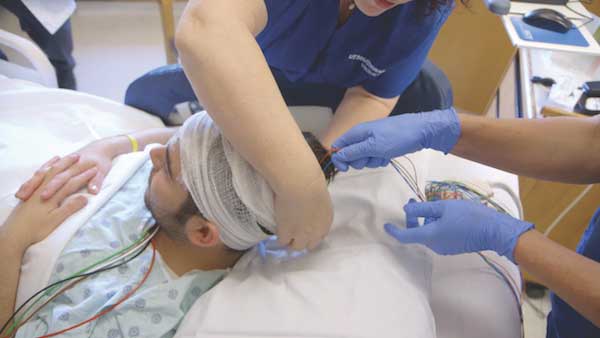
Epilepsy treatment – what is the best treatment for epileptic patients?
Drug Library
Find all neurological drugs here
Write your opinion Cancel response
مقالات دیگر از Dr. Majid Kihani Fard


SEO site management services
Search engine optimization (SEO) services help you to rank your website higher in the search results of Google and other search engines.

Implementation of branding and digital advertising
Digital branding means creating a strong and distinctive brand in the digital space for a company or a specific product. This process involves using digital methods and strategies to build and strengthen the brand.

Website design for companies and businesses
Website design for companies and businesses can help you have a stronger online presence and attract more customers. Contact us for more information.
