
Everything about grinding teeth - Dr. Mehdi Ali Babaei

All about teeth grinding
Dr. Mehdi Ali Babaei > Blog > Weblog > All about grinding teeth
- March 2, 1401
- dr.alibabaei
- Views: 0
- blog
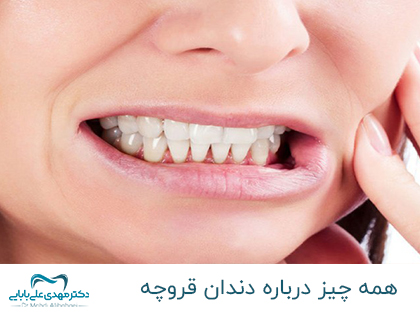
Grinding teeth in sleep is considered a movement disorder related to sleep. People who press or grind their teeth together during sleep (Brox) are more prone to other sleep disorders such as snoring and interrupted breathing (sleep apnea).
Mild teeth grinding may not need treatment. However, in some people, teeth grinding can be so frequent and severe that it leads to jaw disorders, headaches, damaged teeth, and other problems.
Since you may have teeth grinding in your sleep and be unaware of it until complications develop, it is important to know the signs and symptoms of teeth grinding and seek regular dental care.
What are the symptoms of grinding teeth?
Table of Contents
Symptoms and signs of teeth grinding may include the following:
- Teeth grinding or clenching, which may be loud enough to wake your sleeping partner
- Teeth that are flat, broken, chipped or loose are signs of bruxism.
- Worn tooth enamel exposes the deeper layers of your teeth.
- Increased tooth pain or sensitivity
- Tired or stiff jaw muscles, or a locked jaw that does not fully open or close.
- pain or pain in the jaw, neck or face
- Pain that feels like an earache, although it's not actually a problem with your ear.
- Vague headache starting from the temples.
- Chewing damage on the inside of your cheek
- Sleep disturbance
When should you see a doctor?
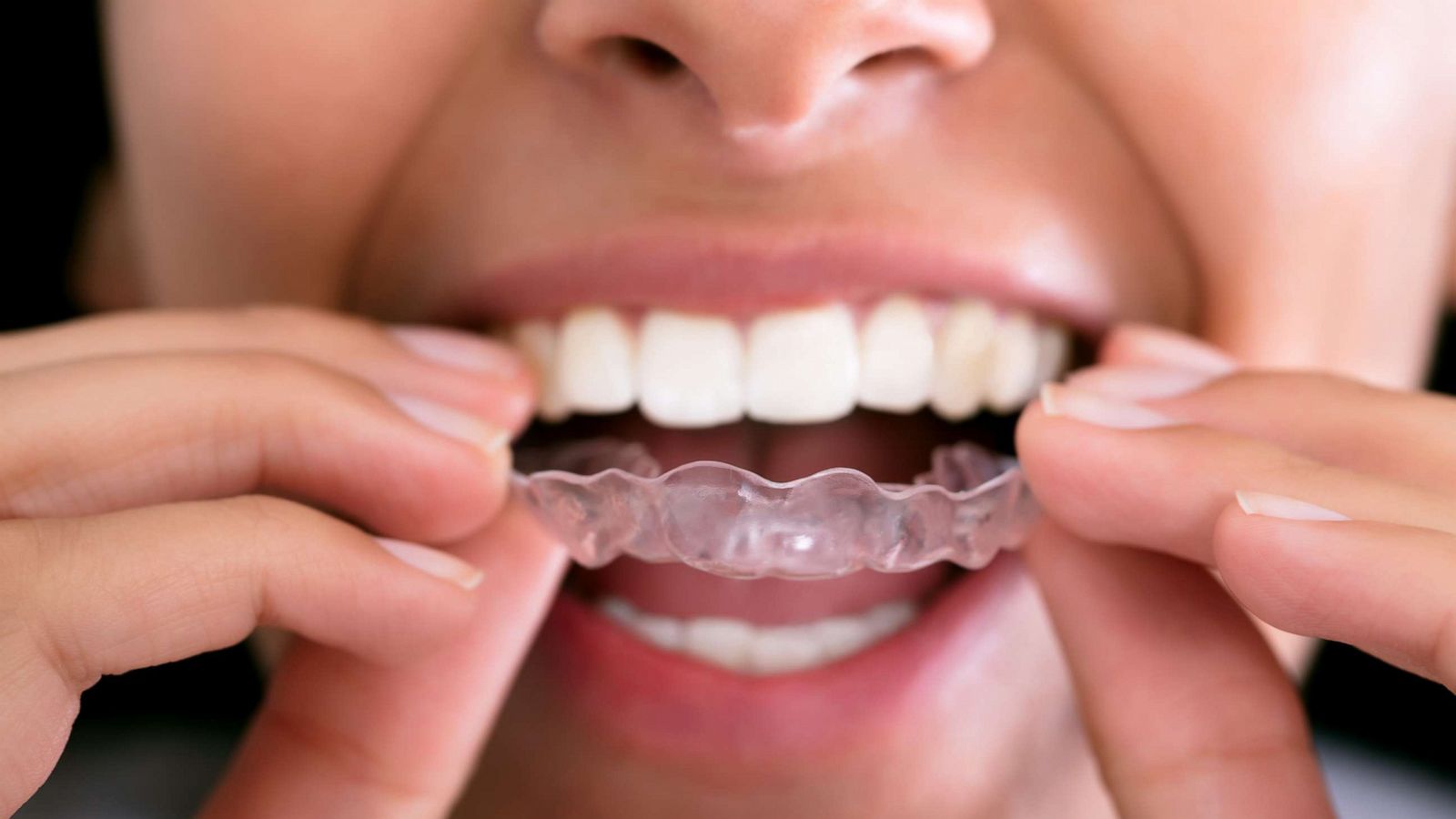
If you have any of the symptoms listed above or have other concerns about your teeth or jaw, see your dentist or doctor.
If you notice that your child grinds his teeth or has other symptoms of teeth grinding, be sure to mention it at your child's next dental appointment.
What is the cause of teeth grinding?
Doctors do not fully understand what causes teeth grinding, but it may be due to a combination of physical, psychological and genetic factors.
Awake teeth grinding may be due to emotions such as anxiety, stress, anger, frustration, or tension, or it may be a coping strategy or a habit during deep concentration.
Sleep grinding may be a sleep-related chewing activity associated with arousal during sleep.
Dangerous factors of teeth grinding
These factors increase the risk of teeth grinding:
Pressure. Increased anxiety or stress, anger and frustration can also lead to teeth grinding.
Age. Grinding teeth is common in young children, but usually disappears in adulthood.
Personality type. Having an aggressive, competitive or hyperactive personality type can increase the risk of teeth grinding.
Medications and other substances. Grinding teeth may be an uncommon side effect of some psychiatric medications, such as some antidepressants. Smoking, drinking caffeinated beverages or alcohol, or using recreational drugs may increase the risk of teeth grinding.
Family members with sleep grinding usually run in families. If you have grinding teeth, other members of your family may also have grinding teeth or a history of it.
Other grinding disorders can be associated with certain medical and mental health disorders such as Parkinson's disease, dementia, gastroesophageal reflux disorder (GERD), epilepsy, night terrors, sleep-related disorders such as sleep apnea, and attention-deficit/hyperactivity disorder (ADHD).
Complications of teeth grinding
In most cases, teeth grinding does not cause serious complications. But severe teeth grinding may lead to the following:
- Damage to your teeth, restorations, crown or jaw
- Tension headaches
- Severe facial or jaw pain
- Disorders that occur in the temporomandibular joints (TMJs) located just in front of your ears, which may sound like a clicking sound when you open and close your mouth.
When these cases occur, it is better to see a doctor.
Write your opinion Cancel reply
مقالات دیگر از Dr. Mehdi Ali Babaei


SEO site management services
Search engine optimization (SEO) services help you to rank your website higher in the search results of Google and other search engines.

Implementation of branding and digital advertising
Digital branding means creating a strong and distinctive brand in the digital space for a company or a specific product. This process involves using digital methods and strategies to build and strengthen the brand.

Website design for companies and businesses
Website design for companies and businesses can help you have a stronger online presence and attract more customers. Contact us for more information.
