
Does toothache cause headaches - migraines and jaw pain

Can migraine and toothache be related?
Dr. Mehdi Ali Babaei > Blog > Weblog > Can migraine and toothache be related?

- 29 Khordad, 1402
- dr.alibabaei
- Views: 0
- blog
According to the Migraine Research Foundation, one billion people worldwide suffer from migraines, and while migraine is not a specific oral disease, migraine with toothache and certain conditions that cause pain in the mouth or face appear to be associated. Learn exactly what migraines are, what conditions may be associated with the disorder, and find out who to talk to if you experience pain above your neck.
What is migraine?
Table of Contents
The Migraine Research Foundation emphasizes that a migraine is more than just a severe headache, it's a debilitating neurological disorder. In fact, a headache is the only symptom of a migraine that can result in a sharp throbbing pain on one or both sides of your head. However, some people do not get a headache, but only experience other migraine symptoms.
Chronic migraine sufferers can:- Experience nausea, dizziness, vomiting, tingling or numbness of the face, and sensitivity to light and sound during an episode, which may last from four hours to three days.
- They get migraines up to 15 days a month.
- They miss a few days of work or school.
- It increases the risk of other diseases such as depression and anxiety.
Many factors, including lifestyle and environmental factors, weather, hormones, and medications, can cause migraines.
What is the connection between migraine and toothache?
Orofacial refers to the head (face, jaw, etc.), neck and oral cavity (teeth, gums, etc.). The following oral and facial conditions are common to some migraine triggers, such as stress. Additionally, the Migraine Association notes that certain conditions of the mouth and face can make migraines worse, and you may mistake migraine pain for a toothache.
temporomandibular joint disorder (TMJ)
TMJ, or Temporomandibular Joint Disorder, occurs when the modified ball and socket joint that connects your upper and lower jaw does not function properly. The main purpose of the joint is to move the lower jaw in three directions: front, back and side to side. TMJ You can feel your jaw clicking and popping or momentarily stuck.
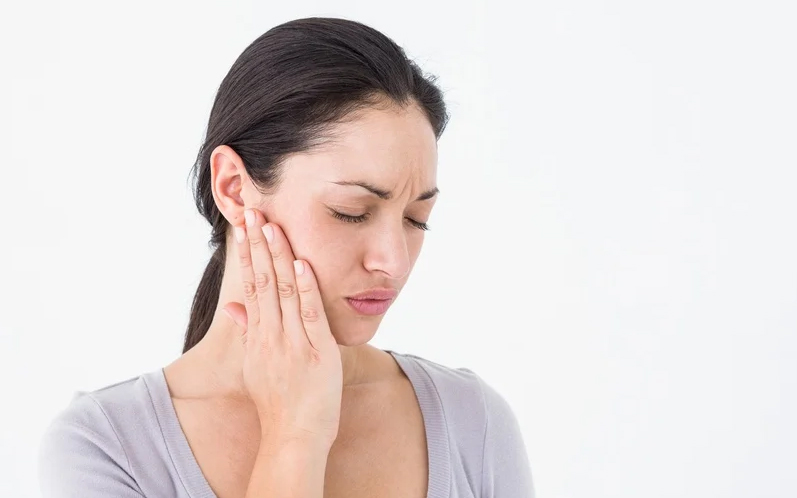
TMJ symptoms include:
- Severe headaches or migraines
- clicking or popping sounds
- Sensitive jaw muscles
- earache and toothache
best dentist can definitively diagnose TMJ and provide solutions for your jaw pain. Reducing the symptoms related to muscle tension can reduce your accompanying headache.
Other ways to relieve or deal with TMJ pain include avoiding excessive chewing (such as chewing gum), making time for regular exercise, and massaging your jaw.
Teeth grinding and squeezing
You may experience teeth grinding, the act of grinding or clenching your teeth only during sleep or perhaps during the day. grinding teeth can be caused by stress, misalignment of teeth or facial neuromuscular diseases.
Symptoms of teeth grinding can include the following:
- Morning headaches Migraine
- Grinding sounds at night
- Tight jaw muscles
- Cracked or damaged teeth leading to toothache
If symptoms occur, see a dentist for a proper diagnosis. Your dentist can solve the associated grinding of teeth by correcting your alignment or fitting an anti-wear mouth guard.
Teeth grinding caused by stress can be treated with professional counseling, relaxation techniques, or prescription medications. Dr. Mehdi Ali Babaei notes that teeth grinding is more common in children. Behavioral changes, biofeedback (a technique that monitors muscle activity), and even Botox injections are other treatment options to consider.Suggested text: Emergency dental treatment
toothache and migraine
If the pain and stress of the toothache is severe enough, a migraine may occur. Also, as we mentioned earlier, migraines can cause toothaches. This is due to nerve damage related to both diseases.
If the headache is caused by a cavity or gum problem, a dentist can help. However, if your dentist doesn't find tooth decay or gum disease, he may refer you to a neurologist to determine whether you have migraines.
Toothache, jaw pain, headache or any facial pain may occur with migraine. Whatever hurts, we don't want you to just live with it. Talk to your dentist first to see if it's an oral problem. Your dental professional can treat the pain or recommend medical advice.
This content is not intended to be a substitute for professional medical advice, diagnosis or treatment. Always seek advice from your dentist, doctor or other qualified health care provider.
Tags: Oral hygiene and ToothWrite your opinion Cancel reply
مقالات دیگر از Dr. Mehdi Ali Babaei


SEO site management services
Search engine optimization (SEO) services help you to rank your website higher in the search results of Google and other search engines.

Implementation of branding and digital advertising
Digital branding means creating a strong and distinctive brand in the digital space for a company or a specific product. This process involves using digital methods and strategies to build and strengthen the brand.

Website design for companies and businesses
Website design for companies and businesses can help you have a stronger online presence and attract more customers. Contact us for more information.
