
Care after angiography at home Dr. Seyed Alireza Najafi

Care after angiography at home Dos and don'ts
Care after angiography at home is very important for the healing process to go well and to avoid possible complications. By following the tips that we have given you in this blog, you can go through your recovery process well and avoid possible complications after angiography.
Easy accessShare content
Instagram Facebook X-twitter TelegramPerforming angiography in order to diagnose heart diseases and part of their treatment is one of the most common medical procedures. Patients usually have many questions about post-operative care methods. The author of this article, Dr. Seyed Alireza Najafi, a cardiologist with more than 30 years of medical experience in this field, will introduce you to comprehensive care after angiography at home.
Care after angiography through the femoral artery (groin)
If angiography is performed by inserting a tube or catheter into the groin, care after angiography is of great importance to speed up the healing process and prevent side effects.
Generally, care after angiography at home includes the following:
- After angiography, absolute rest for several hours is necessary. Another care after angiography is to keep the tube entry site clean and dry. Pay attention not to press this point and avoid rubbing it.
- Doing strong and fast movements and lifting heavy objects after angiography is prohibited.
- Avoid eating fatty and salty foods and follow a healthy and light diet.
- In case of bleeding or severe swelling of the foot, inform the doctor and use the painkillers prescribed by the doctor to relieve the pain.
- Bathing is allowed when the doctor has determined for you.
Care after angiography through the radial artery (arm)
Angiography through the vein of the hand is a more advanced method and has fewer complications than the method of inserting the tube through the groin. In general, care after angiography through the hand includes the same things related to the groin, such as a healthy diet, absolute rest for a few hours after angiography, refraining from heavy activities, and avoiding fatty and salty foods.
In addition to these cases, using a pressure bandage on the catheter entry point can help the wound heal faster. It should be noted that if you feel fever, swelling in your hand, heart palpitations and dizziness, severe swelling of your wrist and heavy bleeding, it is necessary to see a doctor.
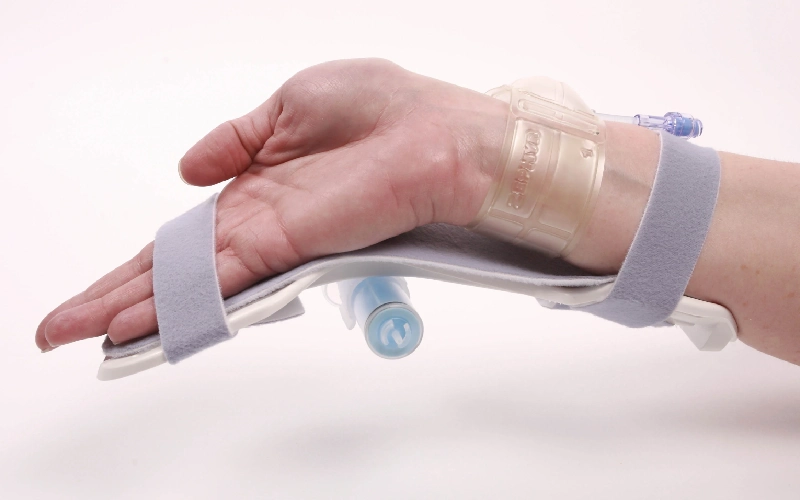
Hand pain treatment methods after angiography
Usually after hand angiography, the most common complication that occurs is hand pain. This pain is felt for a number of reasons, including limited damage to blood vessels and inflammation in them. To treat and reduce this pain, it is recommended to rest and avoid vigorous movements, use a cold compress for 15 to 20 minutes several times a day, keep your hands up, massage very gently in the painful area, and use prescription painkillers.
Take care of the catheter insertion site!
Caring for the place where the catheter or tube is inserted to prevent infection, bleeding and reduce pain are important care items after angiography at home. It is very important to keep the site clean and bandaged for as long as the doctor prescribes. Avoid scratching or squeezing and rubbing this area. Avoiding strenuous activity for the organ where the catheter is inserted will help it heal. Applying an ice compress on a thin cotton cloth reduces pain and swelling. In case of severe pain and bleeding or discharge of pus, be sure to see a doctor.
What should we eat after angiography?
Since after the operation, the body's need for energy to repair tissues and heal wounds increases, and the immune system is strengthened with proper nutrition, which prevents infection in the body, the type of food the patient eats is one of the most important aspects of post-angiography care at home.
- Fresh fruits and vegetables contain large amounts of fiber, vitamins and minerals that strengthen the immune system and lower cholesterol.
- Using whole grains also improves bowel function due to high fiber content.
- Eating low-fat dairy products as rich sources of calcium and protein bring health to muscles and bones.
- Inclusion of fatty fish in the diet as one of the cares after angiography at home, due to the presence of omega-3, helps to reduce inflammation and improve heart activity.
- Nuts and seeds also have healthy fats and vitamin E and fiber, which are recommended to be eaten as care after angiography at home.
- It is necessary to avoid eating fried and processed foods because of fats harmful to the heart and high sodium.
- Decreasing sugar consumption is recommended to prevent weight gain and diabetes.
- Red meat and egg yolk in large quantities also increases the risk of cardiovascular diseases.
- It should be noted that diets based on the consumption of fruits, vegetables and whole grains and useful oils are useful for nutrition after angiography.

Liquid consumption including post-angiography care at home
In line with post-angiography care, fluid intake is considered very important. Consuming fluids helps to compensate for the amount of fluid and blood lost during angiography and to eliminate as quickly as possible the substance that enters the body through angiography. Also, preventing dehydration prevents severe side effects such as dizziness and increased heart rate.
What liquids should we drink at home for post-angiography care?
The best and easiest liquid to consume is drinking water. Natural juices without added sugar also have high amounts of vitamins. Eating soups containing fresh vegetables and chicken also provides nutrients in addition to providing fluids. Black and green tea also have antioxidants and it is recommended to eat them. If you use coffee, make sure that it is consumed without milk, sugar and additives and with a low concentration, provided that you do not have an allergy.
What points should we follow when consuming liquids?
The amount of water and liquid consumption should be sufficient as determined by the doctor. Liquids should be used regularly throughout the day and at lukewarm or cold temperatures. Consumption of carbonated soft drinks and energy drinks is also prohibited.
Exercise the best post-angiography care item at home
Having a light activity or an appropriate exercise is considered as one of the post-angiography cares at home, provided that you consult your doctor. These activities should be done gradually and carefully under the supervision of a doctor. Sports such as swimming and stationary cycling are recommended as low-impact sports and yoga to improve and strengthen heart muscles. Remember that during the first weeks after angiography, heavy activities such as weight lifting and fast running and contact sports are prohibited. Also, avoid doing sports that increase your heart rate.
The importance of walking in home care after angiography
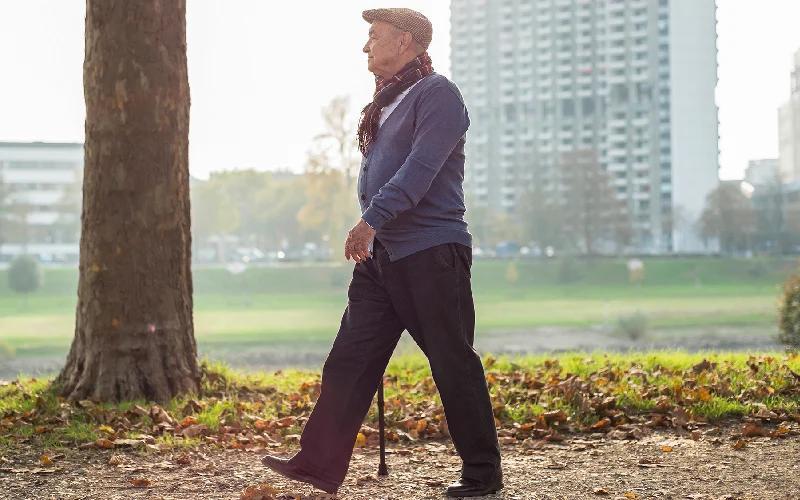
Another point of care after angiography at home is walking. Walking after angiography is very useful because it strengthens the heart muscles, reduces the risk of blood clots and improves blood circulation, reduces stress and increases the body's energy. The point when you can start walking depends primarily on the doctor's opinion.
But in general, you can start walking whenever you feel that there is enough energy in your body and you don't feel pain or discomfort. Note that you should first walk slowly and in short periods of time. Choose smooth paths without steep slopes and rest whenever you feel tired or short of breath.
Is driving allowed after angiography?
Since some of the drugs that are prescribed after angiography may cause dizziness or sleepiness in the patient, and in addition, possible recovery and fatigue after angiography affect the person's ability, it is recommended not to drive for at least 24 hours after the angiography. After that, you can start driving if you feel ready and have no symptoms affecting your alertness and consult a doctor.
Air travel is prohibited for angiography patients!
After angiography, air travel may be limited for the patient for some reasons. Changes in air pressure caused by the increase in altitude, lack of oxygen and blood clotting during flight are among the reasons that lead to the possibility of heart risks.
The most important factor in issuing permission for air travel after angiography is your doctor's opinion. But in general, it is recommended to avoid air travel for at least 24 hours after simple angiography and 48 hours after angioplasty. If flying after angiography, drink enough water during the flight and get up and walk continuously. Wearing varicose socks also prevents blood clots.
Return to work after angiography and angioplasty
It should be said about when you can return to work and resume professional activities after angiography: this depends on things such as the type of operation, the general condition of the patient and his job. Patients who undergo angiography return to work earlier than those who undergo angioplasty (opening of the vessel). People's age has a direct impact on their resting time after angiography. Older people need more time to recover.
Having underlying diseases and side effects such as infection and bleeding are also effective in prolonging recovery time and returning to work. Finally, the type of job the patient has is also a determining factor when returning to work. If your job requires physical and heavy activities, your return to work will definitely be longer. Be sure to consider your doctor's opinion to determine the time to start working activities.
Edit Clone Comments read more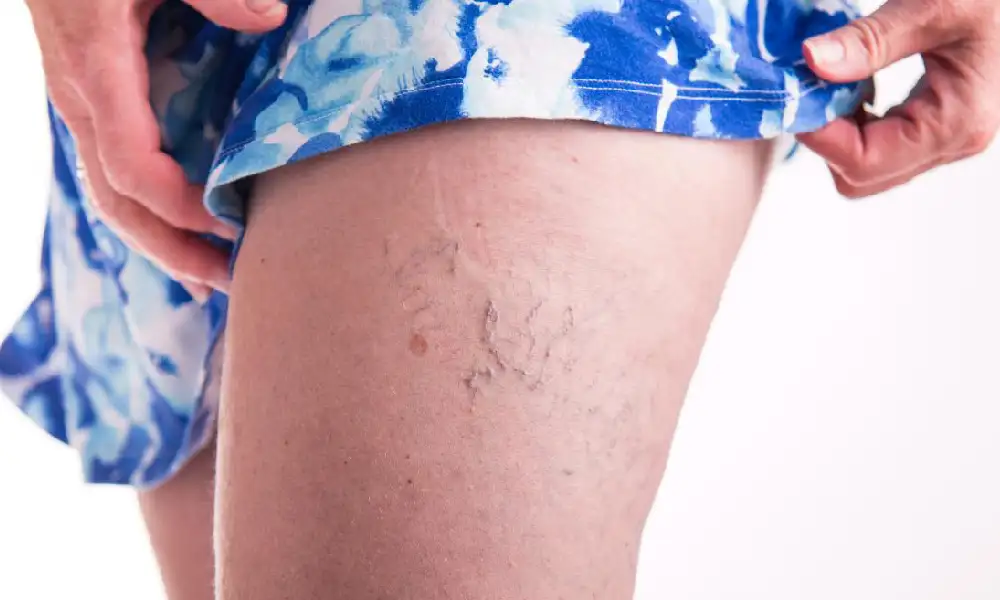 Why care about leg veins? Solutions to prevent vascular problems
02
April
Why care about leg veins? Solutions to prevent vascular problems
02
April
 10 effective ways to maintain heart health and prevent cardiovascular diseases
02
April
10 effective ways to maintain heart health and prevent cardiovascular diseases
02
April
 introduction of several home treatment methods for varicose veins
07
D
introduction of several home treatment methods for varicose veins
07
D
 Preparation before taking an ECG; Should we be fasting to take an ECG?
07
D
Preparation before taking an ECG; Should we be fasting to take an ECG?
07
D
 The least dangerous methods of treating coronary artery occlusion
07
D
The least dangerous methods of treating coronary artery occlusion
07
D
 3-day apple weight loss diet
07
D
Your comments
0
0
votes
Article Rating
Subscribe to
Login
0 Comments
the oldest
the most recent
The most votes
Feedback (Feedback) inline
View all comments
3-day apple weight loss diet
07
D
Your comments
0
0
votes
Article Rating
Subscribe to
Login
0 Comments
the oldest
the most recent
The most votes
Feedback (Feedback) inline
View all comments
مقالات دیگر از Dr. Seyed Alireza Najafi

Review of 7 ways to prevent high blood pressure - Dr. Seyed Alireza Najafi
Review of 7 ways to prevent high blood pressure High blood pressure means that your heart is pumping blood around the body more forcefully. This extra pressure can damage blood vessels an...

What is normal blood pressure? - Dr. Seyed Alireza Najafi
What is normal blood pressure? Blood pressure is the force with which the blood presses against the walls of the vessels. This force is like water being forced out of a hose. The higher t...

How are pulmonary function tests? - Dr. Seyed Alireza Najafi
What are pulmonary function tests? Pulmonary function tests are a series of tests that help doctors evaluate how well your lungs are working. These tests can help diagnose and track lung...

Varicose vein treatment methods - Dr. Seyed Alireza Najafi
Types of varicose vein treatment methods Varicose veins are swollen and twisted veins that are often seen in the legs. These veins are created due to failure of venous valves and accumula...

Treatment of hand pain after angiography Dr. Seyed Alireza Najafi
Know the techniques for treating hand pain after angiography! Since today angiography is considered one of the most important and reliable methods in the field of diagnosis and treatment...

How is echocardiography performed? | Its cost, steps and complications
What is a cardiac echocardiogram? Transesophageal Echocardiography (TEE) is one of the advanced and accurate heart imaging methods that provides more comprehensive information than conven...

cause of chest pain; From heart diseases to lung and digestive problems
What is the cause of chest pain? Introduction of prevention and treatment methods The onset and duration of any disease in the body is associated with the development of symptoms and com...

treatment of varicose veins with laser; Say goodbye to varicose veins
Getting to know the methods of laser treatment of varicose veins Varicose veins, especially varicose veins of the legs, are among the most common diseases that, in addition to creating a...

7-day hydrotherapy regimen; Is it worth losing 3 to 4 kilos?
Seven-day hydrotherapy diet, the best fast weight loss diet The effect of any type of diet on a person depends on his physical condition, lifestyle and metabolic characteristics of his bo...

Fatty liver treatment diet; 3 of the best fatty liver diets
Is it possible to treat fatty liver with diet? Fatty liver treatment diet Today, fatty liver is one of the common diseases. One of the questions that most people with this disease have is...

How to take an ECG | The easiest way to diagnose heart diseases
How to take an ECG? Taking an electrocardiogram is a simple, painless and risk-free test that a doctor prescribes to check the electrical activity of the heart. The results of an electro...

Women's heart echo The importance of women's echo and its differences with men's heart echo
What is the difference between women's heart echo and men's echo? Nowadays, women may need an echocardiogram for several reasons, including congenital heart diseases, pregnancy complicati...

SEO site management services
Search engine optimization (SEO) services help you to rank your website higher in the search results of Google and other search engines.

Implementation of branding and digital advertising
Digital branding means creating a strong and distinctive brand in the digital space for a company or a specific product. This process involves using digital methods and strategies to build and strengthen the brand.

Website design for companies and businesses
Website design for companies and businesses can help you have a stronger online presence and attract more customers. Contact us for more information.
