
Brain aneurysm surgery Brain aneurysm surgery

Brain aneurysm surgery | Brain aneurysm repair
Last updated: November 11, 2025 Brain aneurysm operation is one of the most sensitive brain and nerve surgeries, which is performed with the aim of preventing or treating the rupture of the wall of brain vessels. In this surgery, using open (clipping) or minimally invasive (coiling) methods, the surgeon repairs or isolates the weak and swollen area of the vein, which is known as an aneurysm. The main purpose of this operation is to prevent cerebral hemorrhage, which can have irreversible consequences. This surgery is usually performed as an emergency or as planned, depending on the patient's condition.

What is brain aneurysm?
Cerebral aneurysm is a condition in which the wall of a blood vessel in the brain swells due to weakness or injury and creates a sac-like bulge. This bulge may enlarge over time and eventually rupture, leading to subarachnoid hemorrhage (SAH); A condition that can be fatal. Aneurysms often form in areas of the blood vessels that are under higher pressure, such as where the blood vessels branch off. Various factors including high blood pressure, family history, and previous injuries can increase the risk of developing this condition.
 Accurate knowledge of this complication is very important for prevention and timely treatment. Many aneurysms have no symptoms until they rupture and may be discovered incidentally on imaging. However, understanding the nature of this disease can help patients to be more aware of warning signs.
Why do we need aneurysm surgery?
Brain aneurysm surgery is often performed to prevent rupture of the vessel and bleeding in the brain, which can lead to serious injury or death. If the aneurysm has ruptured, emergency surgery is necessary to control bleeding and reduce intracranial pressure. Even in cases where the aneurysm has not yet ruptured, its size, location, and risk of rupture may prompt the physician to perform cerebellar tumor surgery or other similar treatments. The decision to undergo surgery is usually based on a careful assessment of risks and benefits.
Furthermore, the lack of timely treatment can cause long-term complications such as stroke or neurological disabilities. For this reason, early diagnosis and surgical intervention in many cases is the only way to save the patient's life and improve his quality of life.
Types of brain aneurysm
Cerebral aneurysms are divided into different types based on their shape, size and location. The most common type is a saccular aneurysm, which appears as a small sac at the junction of the arteries. Another type is the fusiform aneurysm, which is a wider swelling along the wall of the vessel. Also, disc aneurysms may occur as a result of damage or rupture of the vessel wall.
The location of the aneurysm also plays an important role in the type and severity of its risk. For example, aneurysms in major arteries, such as the internal carotid artery or middle cerebral artery, are usually more dangerous. Knowing the type and features of the aneurysm through advanced imaging helps the surgeon to choose the best treatment method.
Warning symptoms and how to diagnose brain aneurysm
Many brain aneurysms are asymptomatic until they rupture, but in some cases, there are warning signs that should be taken seriously. Severe and sudden headache (known as thunderclap headache), nausea, vomiting, neck stiffness, and decreased level of consciousness are among the symptoms of aneurysm rupture. In cases where the aneurysm is not ruptured, pressure on the surrounding nerves or tissues may cause symptoms such as double vision or pain behind the eyes.
Diagnosis of this condition is usually done through imaging methods such as CT scan, cerebral angiography, or MRI. These tools help the doctor to identify the exact location, size and shape of the aneurysm.
Quoting Dr. Michael Lawler, a neurologist from Johns Hopkins University: "Early diagnosis of an aneurysm with advanced imaging can mean the difference between life and death."
The main methods of cerebral aneurysm surgery
To treat cerebral aneurysm, there are two main surgical methods that are chosen depending on the patient's condition and the characteristics of the aneurysm. These methods include open surgery (clipping) and minimally invasive endovascular method (coiling). Each of these methods has its own advantages and challenges, and choosing the right method requires careful evaluation by the medical team. In the following, each of these methods is explained in detail.

Clipping surgery (open method) of brain aneurysm
Clipping surgery is one of the traditional and effective methods for treating brain aneurysm. In this method, by performing a craniotomy (opening a part of the skull), the surgeon accesses the damaged vessel and places a small metal clip (clip) at the base of the aneurysm to cut off the blood flow into the sac. This method is usually suitable for large or complex aneurysms.Although this method is more invasive than other methods, in many cases, it provides stable and long-term results. According to the statistics of the American Neurological Association, more than 90% of patients who are treated with this method are spared from aneurysm recurrence. However, the recovery period of this surgery is longer and requires special care.
Coiling surgery (endovascular method) of brain aneurysm
The coiling method is a minimally invasive technique that is performed through a catheter. In this procedure, the surgeon guides a catheter through the arteries of the body (usually from the groin) to the location of the aneurysm in the brain and stops the blood flow by placing small metal coils inside the aneurysm sac. Over time, these coils cause the blood to clot in the bag and isolate it.
This method is usually suitable for smaller aneurysms or patients who do not qualify for open surgery. The recovery period is shorter and there are fewer risks than the open method, but additional sessions may be needed in some cases.
According to Dr. Helena Schultz, an endovascular specialist from the Berlin University Hospital: "Coiling has revolutionized the treatment of brain aneurysms and has helped many patients recover without open surgery."
Preparations before brain aneurysm surgery
Preparation for brain aneurysm surgery plays an important role in the success of surgery and reduction of complications. Patients usually have blood tests, additional imaging, and heart and lung evaluations to check their overall health. Also, it may be necessary to stop taking certain medications, such as blood thinners, a few days before the procedure.
In addition, patients should discuss their medical history, allergies, and medications with the medical team. In cases where the surgery is performed as an emergency, there may not be time for full preparation, but even in these situations, accurate information to the doctor can be helpful.
Psychologically, talking to a counselor or family can help reduce pre-operative stress. Having enough information about the surgical process and the expectations after it, makes the patient more relaxed in the operating room.
Dangers and complications of brain aneurysm surgery
Although brain tumor surgery and brain aneurysm surgery can be life-saving, like any surgery, they come with risks. Possible complications include bleeding, infection, and damage to the tissues around the brain. In some cases, the patient may experience neurological disorders such as memory loss or speech problems after surgery.
Furthermore, there is a risk of re-rupture of the aneurysm or ineffectiveness of the treatment method. For this reason, regular follow-ups and periodic imaging are necessary after surgery. However, by choosing a skilled surgeon and following medical guidelines, many of these risks can be minimized.
Benefits of brain aneurysm surgery
One of the most important benefits of brain aneurysm surgery is the prevention of brain rupture and bleeding, which can save the patient's life. This surgery can also prevent long-term complications such as stroke or permanent disability. In many cases, patients experience a better quality of life after surgery.
In addition, new methods such as quilling have provided the possibility of minimally invasive treatment. These procedures have a shorter recovery period and allow patients to return to daily life sooner. The success of these surgeries is very high in case of early diagnosis and timely intervention.
Care after brain aneurysm surgery and recovery process
After brain aneurysm surgery, special care is needed to recover faster and prevent complications. Patients are usually observed in the intensive care unit (ICU) for several days to monitor their vital signs and neurological status. Taking prescribed medications, such as anticonvulsants or blood pressure control, is of great importance.
The recovery process is different depending on the type of surgery and the patient's condition. During this time, rehabilitation sessions may be needed to improve movement or speech skills. Here are some key tips for post-surgery care:
- Avoid heavy activities and lifting objects until the doctor approves.
- Regular follow-up with the surgeon and periodic imaging to check the condition of the veins.
Choosing the best neurosurgeon for brain aneurysm
Choosing the right surgeon for brain aneurysm surgery is one of the most important decisions that the patient or his family must make. The surgeon must have sufficient experience in the field of treating aneurysms and be familiar with various surgical methods, including clipping and coiling. Examining the records of the surgeon and the opinions of previous patients can help in this choice.
In addition to expertise, good communication with the surgeon and his ability to explain the treatment process and answer questions is also important. Cooperation with a well-equipped medical team and a hospital with advanced facilities increases the chances of success of the operation. Remember that this surgery requires high precision and skill, and the right choice can have a significant effect on the result.
Facebook Twitter LinkedIn Pinterest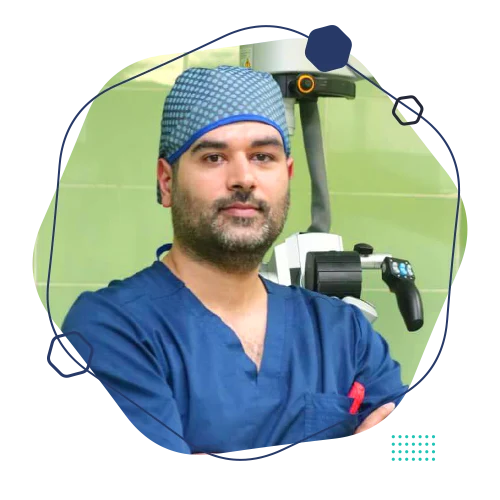
Dr. Yazdan Panahi
Student of Shahid Beheshti University of Tehran. The top rank of the specialized board of neurosurgery. 7-year history of performing complex operations on the base of the skull and brain and spinal cord tumors, 7-year history of complex operations on the spine
Related posts
 Spine and spinal cord
Lumbar disc treatment at home 14 ways to treat lumbar disc at home
Many people prefer to try less risky methods such as lumbar disc treatment at home before undergoing surgery. These methods include medication, physical therapy exercises, limited rest, light physical activity, massage, and techniques such as chiropractic. They aim to reduce inflammation, relieve pain and improve movement, and if done correctly, can speed up the healing process. Stay with us to check more of these items.
Read more » November 19, 2025 4 views Spine and spinal cord
Pain in the back of the neck Investigation of causes, symptoms, diagnosis and treatment methods
Back pain is often caused by muscle problems, improper body posture or erosion of the vertebrae, and sometimes it spreads to the shoulder and head. The cause of pain in the back of the neck and shoulder can be from a simple strain to a protrusion of the disc, and this point tells us what the symptoms of back pain are. Fortunately, most of these pains can be controlled with anti-inflammatory drugs, modification of daily habits and stretching exercises. Only limited cases, due to neurological or structural involvement, will require more advanced treatment methods.
Read more » November 18, 2025 No views the brainBenefits of brain endoscopy + examination of complications and risks
Cerebral endoscopy is a minimally invasive method that is performed by two methods, endonasal and neuroendoscopy, and each has its own advantages and disadvantages. Among the most important advantages of brain endoscopy, we can mention the reduction of manipulation of natural tissues, less pain, faster recovery, better visibility of the surgeon and reduction of the risk of concussion. However, endoscopic complications such as bleeding, CSF leakage, blood pooling, and infection are significant aspects of this procedure. Although there are disadvantages of endoscopy, in most patients the benefits outweigh the possible risks. In the following, the details of both aspects will be examined.
Read more » November 17, 2025 No views Spine and spinal cord
At what age does cervical disc start? + Check symptoms and treatment
Cervical disc usually appears in the third and fourth decades of life, but the onset of cervical disc in youth is not far off with increasing daily pressures. The cause of neck disc in youth is often a combination of bad sitting posture, long-term work with mobile phones and computers, and weak neck muscles. Obesity, inactivity and genetics also accelerate the process of disc erosion and reduce the age of the disease. Premature wear of discs reduces flexibility and increases the possibility of pain and rupture at a young age. Compliance with ergonomics, muscle strengthening and regular activity are the best ways to prevent and postpone this complication.
Read more » November 16, 2025 No viewsWrite your opinion Cancel response
مقالات دیگر از Dr. Mahmoud Yazdan Panahi
طرز خوابیدن کسانی که دیسک کمر دارند
طرز خوابیدن کسانی که دیسک کمر دارند آخرین بروزرسانی: 08 دسامبر 2025...
بهترین غذا برای دیسک کمر
بهترین غذا برای دیسک کمر آخرین بروزرسانی: 06 دسامبر 2025...

بیرون زدگی دیسک گردن مهره 4 و 5
بیرون زدگی دیسک گردن مهره 4 و 5 آخرین بروزرسانی: 06 دسامبر 2025...

تغذیه بعد از عمل دیسک کمر | تغذیه ممنوعه بعد جراحی دیسک کمر
تغذیه بعد از عمل دیسک کمر | تغذیه ممنوعه بعد جراحی دیسک کمر آخرین بروزرسانی: 03 دسامبر 2025...

بیرون زدگی دیسک گردن مهره 4 و 5 | علائم، درمان و علت
بیرون زدگی دیسک گردن مهره 4 و 5 آخرین بروزرسانی: 02 دسامبر 2025...
تغذیه بعد از عمل دیسک کمر | بعد عمل دیسک کمر چی بخوریم؟
تغذیه بعد از عمل دیسک کمر | تغذیه ممنوعه بعد جراحی دیسک کمر آخرین بروزرسانی: 01 دسامبر 2025...
تشخیص دیسک کمر | 4 علائم شایع دیسک کمر
تشخیص دیسک کمر | از کجا بفهمیم دیسک کمر داریم؟ آخرین بروزرسانی: 30 نوامبر 2025...

سخت ترین عمل جراحی مغز | عوارض + انواع جراحی های مغز
سخت ترین عمل جراحی مغز آخرین بروزرسانی: 29 نوامبر 2025...
دیسک گردن و بی حسی صورت | دیسک گردن و بی حسی سر
دیسک گردن و بی حسی صورت آخرین بروزرسانی: 25 نوامبر 2025...

جراحی آندوسکوپی مغز | انواع عمل آندوسکوپی مغز +مزایا و عوارض
جراحی آندوسکوپی مغز | عمل جراحی آندوسکوپی مغز آخرین بروزرسانی: 16 نوامبر 2025...

روش های تشخیص دیسک گردن | 4 روش اساسی در تشخیص دیسک گردن
روشهای تشخیص دیسک گردن | اهمیت تشخیص به موقع چیست؟ آخرین بروزرسانی: 15 نوامبر 2025...

مزایا آندوسکوپی مغزی + بررسی عوارض آندوسکوپی مغزی
مزایا آندوسکوپی مغزی + بررسی عوارض و خطرات آخرین بروزرسانی: 17 نوامبر 2025...

SEO site management services
Search engine optimization (SEO) services help you to rank your website higher in the search results of Google and other search engines.

Implementation of branding and digital advertising
Digital branding means creating a strong and distinctive brand in the digital space for a company or a specific product. This process involves using digital methods and strategies to build and strengthen the brand.

Website design for companies and businesses
Website design for companies and businesses can help you have a stronger online presence and attract more customers. Contact us for more information.
