
Are memory disorders normal in young people?

Are memory disorders in young people normal?
- May 10, 2025
- Author: Dr. Majid Kehanifard
- The article has been reviewed and approved by Dr. Kehanifard

Memory disorders in young people may seem alarming, but it should be known that this issue has various reasons and does not always mean a serious illness. Everyday forgetfulness may be caused by environmental factors, lifestyle or even temporary stress. In addition, bad habits such as lack of sleep or excessive use of technology can also play an important role. However, if these disorders become persistent or severe, specialist investigations will be necessary. In the continuation of this article, we will comprehensively review the causes, methods of diagnosis and treatment of memory disorders in young people. Stay with us.
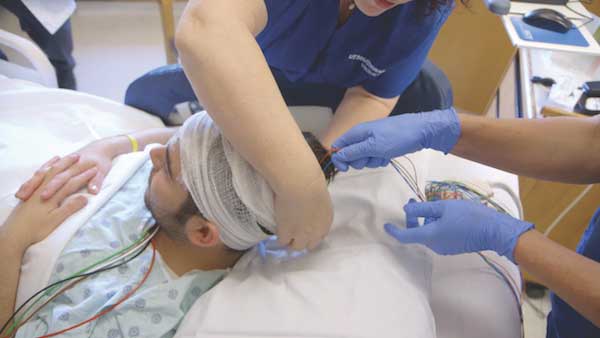
Encephalogram (EEG), doctor's home visit
One of the key methods to diagnose brain disorders related to memory is the use of Encephalogram (EEG). This method can analyze the electrical activities of the brain and identify problems such as seizures or brain injuries. EEG is also essential in the early diagnosis of diseases such as epilepsy and dementia and can be used to monitor treatment progress. In addition, home doctor visits are becoming increasingly popular for people who need more detailed evaluations. Visiting a neurologist at home not only increases the comfort of the patient, but also provides the possibility of providing more personalized diagnoses.
Definition of memory disorders in young people
Memory disorders means the weakness or reduction of a person's ability to store, retrieve or use information when needed. This condition may occur temporarily or permanently in young people. While some forgetfulness occurs for natural reasons such as fatigue or stress, memory disturbances can be a sign of more serious problems. Environmental factors, underlying diseases and lifestyle can play a role in the occurrence of these disorders.
What is memory disorder?
Memory disorder refers to a set of cognitive problems in which the brain's ability to process and store information is disturbed. These problems can appear in the form of simple forgetfulness, inability to recall past information or even complete memory loss. Memory disorders may be caused by various factors such as brain injury, nervous diseases, depression or excessive use of technology.
The difference between temporary forgetfulness and serious memory disorders
Temporary forgetfulness is often caused by transient factors such as fatigue, It is stress or lack of sleep and it improves with rest and lifestyle changes. In contrast, serious memory impairments are usually more persistent and can be associated with reduced daily functioning. This type of disorders may be caused by problems such as neurological diseases (such as Alzheimer and Parkinson), brain injury or mental illnesses and requires specialized diagnosis and treatment. The brain's ability to process and store information is affected. These factors include stress, lack of sleep, improper nutrition, underlying diseases and excessive use of technology. Understanding these factors can help prevent and effectively treat memory disorders.
Stress and anxiety: the main or background factor?
Stress and anxiety are among the most important background factors affecting memory. During times of stress, the body releases hormones such as cortisol which can reduce the brain's ability to recall information. Also, anxiety can disrupt attention and concentration, resulting in temporary forgetfulness or difficulty remembering information. While temporary stress can be managed, chronic stress can cause more serious memory disorders. The picture shows a distressed person.
Lack of sleep and its effects on memory
Sufficient and quality sleep is one of the pillars of brain health. Lack of sleep can lead to short-term and long-term memory disorders. During sleep, the brain processes and stores information. If this process is disrupted, the ability to recall information throughout the day is reduced. Also, lack of sleep is directly related to increased stress and decreased concentration.
The role of improper nutrition and lack of vitamins
Improper nutrition, especially the lack of essential vitamins such as vitamin B12 and D, can lead to memory disorders. These vitamins play a vital role in brain function and their deficiency can reduce the ability to remember and process information. Also, high consumption of unhealthy foods such as simple sugars and saturated fats can reduce brain efficiency.
Effect of excessive use of technology on short-term memory
Excessive use of technology, especially smartphones and social media, can affect concentration and short-term memory. When people are constantly searching and rapidly changing information, the brain is unable to store information effectively. These types of activities may seem useful for the brain in the short term, but in the long term they can lead to a decrease in the ability to remember information.
Underlying diseases such as depression or ADHD
Underlying diseases such as depression and attention-deficit-hyperactivity disorder (ADHD) can have a great impact on memory. Depression, especially in young people, can cause problems with concentration and memory. Also, in ADHD disorder, lack of attention to details and constant forgetting of information are common problems. The treatment of these diseases can effectively help improve memory performance.
The role of medical services in evaluation and treatment
Medical services play a very important role in the evaluation and treatment of memory disorders. Accurate diagnosis and timely treatment can prevent more serious problems. Neurologists help to identify the main cause of memory disorders by using different diagnostic and treatment methods. These services include clinical examinations, cognitive evaluations and the use of specialized tools such as electroencephalogram (EEG) as well as home doctor visits.
Use of EEG
Engal tape (EEG) is one of the key tools in evaluating brain function, which is used to identify various problems such as seizures, brain injuries and neurological disorders. By recording and analyzing the electrical activity of the brain, doctors can identify symptoms caused by memory disorders and suggest effective treatments. EEG can help diagnose brain and neurological diseases, including epilepsy, Alzheimer, and even memory-related disorders.
Doctor's home visit for personalized diagnosis
Doctor's home visit to diagnose memory disorders is especially useful for people who are unable to visit medical centers. This method allows for more detailed examinations and more personalized diagnoses. doctor neurologist can fully examine the patient's condition and provide appropriate treatment solutions. Also, this method is a suitable choice for elderly patients or those who are unable to attend the office due to movement or physical problems.
Are memory disorders in young people worrying?
Memory disorders in young people may seem worrying, but in many cases these problems are temporary and caused by natural factors. Changes in lifestyle, daily stressors or lack of sleep can lead to memory impairments, which are often improved by simple changes in daily habits. However, if the memory disturbances become persistent or severe, they should be paid special attention and referred to a neurologist for a more detailed evaluation. If forgetfulness occurs frequently, affects daily functioning, or is accompanied by other symptoms such as headaches, behavioral changes, or sleep problems, you may need specialist evaluations. Also, attention should be paid if short-term memory is affected and the effects on work, education or social relationships are noticeable.
Difference between normal forgetfulness and serious disorders
Normal forgetfulness is usually related to everyday and unimportant matters, such as forgetting where you put your keys or forgetting the name of an acquaintance for a short time. These types of forgetfulness usually improve with rest, stress reduction, or lifestyle changes. In contrast, serious memory impairments may be associated with forgetting important information, inability to recall past events, or impairment in learning new information. These types of disorders may indicate more serious brain or neurological problems such as Alzheimer or brain damage.
Methods to prevent and improve memory in young people
To prevent memory disorders and improve mental performance, there are various methods that can be applied naturally in everyday life. These methods can help strengthen memory and maintain brain health in the long term. Some of these methods are:
- mental exercises; Doing mental exercises such as meditation, puzzle solving, mind games and reading can help strengthen memory and increase cognitive abilities. Mental activities stimulate the brain and improve neural connections in the brain, which helps to strengthen memory and information processing.
- proper nutrition; Proper nutrition is one of the main pillars of brain health. Eating foods rich in antioxidants, omega-3 fatty acids, vitamins B12 and D, and minerals such as magnesium can help improve brain function and memory. Foods such as fatty fish, green leafy vegetables, eggs and fruits are good sources of these nutrients. Consuming foods rich in antioxidants, fatty acids Omega-3s, vitamins B12 and D, and minerals like magnesium can help improve brain function and memory, as you can see in the picture.
- Regulating sleep and reducing stress; Sufficient and high-quality sleep is very important to strengthen memory. Sleep allows the brain to process and store information. In addition, reducing stress through breathing exercises, yoga, or calming exercises can help improve concentration and memory. Regular exercise is not only beneficial for physical health, but also helps to improve brain function and strengthen memory. Exercises such as walking, running, swimming and yoga can increase blood flow to the brain and improve memory and concentration. Also, exercise helps to reduce stress and increase brain hormones such as endorphins.
Final tips and medical advice
Finally, memory disorders in young people can be caused by various reasons and in many cases, these problems can be treated or managed. Factors such as stress, insufficient sleep, improper nutrition and even excessive use of technology can damage memory. However, if these disorders persist or become more severe, it is necessary to see a neurologist. Accurate evaluations and timely diagnoses can prevent the development of more serious problems and provide effective treatment options. In general, any concerns about memory should be taken seriously to prevent possible future damage.
When to see a neurologist?
If memory impairment symptoms are persistent, accompanied by significant changes in quality of life, or increase in severity, a neurologist is necessary. This doctor can identify the cause of the memory disorder and suggest appropriate treatment solutions using tests and detailed evaluations. Early diagnosis and timely treatment can prevent the development of serious problems such as brain or neurological diseases and help maintain cognitive health.
Conclusion
Memory disorders in young people may seem alarming at first, but they often occur due to factors such as stress, fatigue or even temporary memory impairment. However, if this problem persists or worsens, it is necessary to carry out specialized investigations. Methods such as cerebral doppler ultrasound can help diagnose problems with cerebral blood flow, while botox migraine helps reduce migraine pain and its effects on memory.
In addition, by modifying the lifestyle, paying attention to proper nutrition and using medical services, it is possible to strengthen the memory and prevent the development of more serious problems. In summary, being aware of memory changes and responding to them with preventive measures can help preserve cognitive function and prevent long-term concerns.
Categories:
general information articles on neurology Dr. Majid Kihani Fard
Dr. Majid Kihanifard was born in 1352 in Isfahan. He completed his general medical education at Isfahan University and specialized neurology course at Shahid Chamran University of Ahvaz and completed his knowledge and skills by completing a subspecialty fellowship in cerebrovascular surgery in Switzerland. He has always been a pioneer in providing new treatments and effective research, especially in the field of MS and stroke prevention, by emphasizing on increasing the health level of the society, informing the patients and respecting the patient. Dr. Kihanifared has been awarded the title of "Best neurologist in Isfahan" by the provincial medical system organization and has played an effective role in improving patient care services with applied research and advanced surgeries. Related Articles
Dr. Majid Kihani Fard
Dr. Majid Kihanifard was born in 1352 in Isfahan. He completed his general medical education at Isfahan University and specialized neurology course at Shahid Chamran University of Ahvaz and completed his knowledge and skills by completing a subspecialty fellowship in cerebrovascular surgery in Switzerland. He has always been a pioneer in providing new treatments and effective research, especially in the field of MS and stroke prevention, by emphasizing on increasing the health level of the society, informing the patients and respecting the patient. Dr. Kihanifared has been awarded the title of "Best neurologist in Isfahan" by the provincial medical system organization and has played an effective role in improving patient care services with applied research and advanced surgeries. Related Articles July 28, 2025

Author: Dr. Majid Kihanifard
Sinus headaches: why they happen and how to get relief?
July 15, 2025

Author: Dr. Majid Kehanifard
treating headaches with cold compresses- fast headache treatment
July 14, 2025

Author: Dr. Majid Kehanifard
Severe Headache Quick Cure at Home in Less Than 10 Minutes
May 25, 2025

Author: Dr. Majid Kehanifard
side effects of antidepressants
May 14, 2025

Author: Dr. Majid Kehanifard
Symptoms of generalized anxiety disorder in adults
May 12, 2025.
Author: Dr. Majid Kehanifard
May 11, 2025

Author: Dr. Majid Kehanifard
How can I deal with social anxiety?
May 11, 2025

Author: Dr. Majid Kehanifard
May 11 2025. src="https://drmkeyhanifard.com/wp-content/uploads/2025/03/dr-kehanifard.webp">
Author: Dr. Majid Kehanifard
April 19, 2025. Fred
Plasmapheresis: Treating Autoimmune Diseases to Cancer with Plasmapheresis
April 9, 2025

Author: Dr. Majid Kehanifard
What are the warning signs of neurological diseases?
April 8, 2025
Author: Dr. Majid Kehanifard
Epilepsy treatment - what is the best treatment for epilepsy patients?
Drug Library
Find all neurology drugs here
Write your opinion Cancel response
مقالات دیگر از Dr. Majid Kihani Fard


SEO site management services
Search engine optimization (SEO) services help you to rank your website higher in the search results of Google and other search engines.

Implementation of branding and digital advertising
Digital branding means creating a strong and distinctive brand in the digital space for a company or a specific product. This process involves using digital methods and strategies to build and strengthen the brand.

Website design for companies and businesses
Website design for companies and businesses can help you have a stronger online presence and attract more customers. Contact us for more information.
