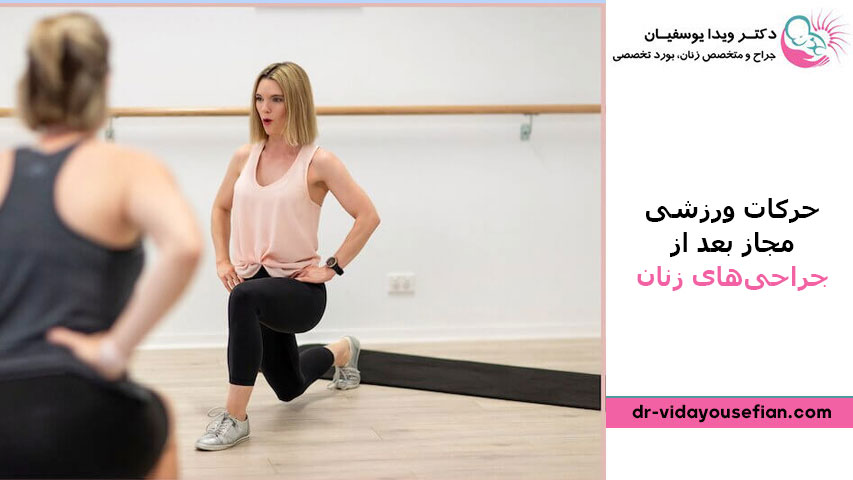
دوران نقاهت پس از جراحیهای زنان، یکی از مهمترین مراحل بهبودی است. بسیاری از بانوان تصور میکنند که بعد از عمل باید برای مدت طولانی از هرگونه فعالیت بدنی دوری کنند، اما واقعیت این است که ورزشهای سبک و هدفمند میتوانند روند ترمیم بدن را سرعت دهند، روحیه را بهبود بخشند و از عوارض پس از عمل جلوگیری کنند.
به گفتهی دکتر ویدا یوسفیان، متخصص زنان، زایمان و نازایی، انجام حرکات مناسب در زمان درست، به بدن کمک میکند تا گردش خون بهتری داشته باشد، از چسبندگی بافتها جلوگیری شود و فرم طبیعی عضلات کف لگن بازسازی گردد.
در این مقاله با راهنماییهای اختصاصی دکتر یوسفیان، با ورزشهای مجاز بعد از جراحیهای زیبایی و درمانی زنان آشنا میشویم؛ از زمان شروع گرفته تا حرکات پیشنهادی مرحله به مرحله.
section First: the importance of exercise after women's surgeries
Women's surgeries, whether therapeutic (such as hysterectomy or ovarian surgery) or cosmetic (such as labiaplasty or vaginal stricture), cause changes in the pelvic floor muscles and adjacent areas.
The right exercises not only help to rebuild these muscles, but They also strengthen blood flow, oxygenation and mood improvement.
-
Faster healing of wounds
-
reduction of swelling and inflammation
-
prevention of genital organ prolapse
-
Quicker return to daily activities
-
reducing pain and muscle stiffness
-
Mood improvement and prevention of postoperative depression
Dr. Yousefian emphasizes that:
"Exercise after gynecological surgery should be started purposefully, gradually and considering the physical condition of each patient. Starting early or making the wrong moves can affect the result of the operation."
section Second: Division of sports stages after surgery
Post-operative exercises are divided into three main stages:
1. Rest phase (days 1 to 7 after surgery)
During this period, the body needs complete rest and initial recovery.
The only activities allowed include:
-
Slow walking at home (a few minutes a day to prevent blood clots)
-
Deep breathing exercises to improve oxygenation
-
gentle leg stretching movements in the lying position
🚫 Don'ts:
-
Lifting objects
-
High bending
-
Abdominal or pelvic muscle contraction

At this stage, lighter exercises can be started to gradually strengthen the muscles of the pelvic floor, abdomen and thighs.
✅ Allowed moves at this stage:
-
Kegel exercises:
-
Aim: strengthening pelvic floor muscles
-
Method: contract the muscles that are involved when urinating, for 5 seconds and then release.
-
Frequencies: 10 to 15 times, 2 times a day
-
Dr. Yousefian's tip: Avoid forcing or holding your breath.
-
-
gentle leg and hip stretching movements
-
In the lying position, bend the knees slowly and open them to the sides.
-
This exercise helps to increase hip flexibility and improve blood flow.
-
-
Light walking in the open environment
-
10 to 15 minutes a day, without too much stress or fatigue
-
3 Strengthening phase and return to full activity (fifth to eighth week)
At this stage, the body has almost reached a stable state and more strengthening movements can be performed.
Suggested moves:
-
Soft Plank
-
Aim: strengthening the central muscles of the body
-
Time: hold for 10 to 15 seconds, without pressure on the pelvis
-
-
Glute Bridge movement
-
Lie down, bend your knees and slowly raise your hips.
-
It strengthens the back and pelvic floor muscles.
-
-
Yoga Therapy
-
"Cat-Cow" and "Child's Pose" movements for gentle stretching of abdominal and back muscles
-
Deep and calm breathing reduces stress and increases concentration.
-

section Third: Prohibited movements after gynecological surgery
Many patients mistakenly think that any kind of exercise will heal faster, while certain movements can cause damage to the sutures or repaired tissues.
🚫 Prohibited sports during recovery:
-
Long sitting or intense abdominal movements
-
Running or jumping rope
-
HIIT
-
Early Cycling
-
Any type of movement that is accompanied by pain or pressure in the pelvis
According to Dr. Yousefian:
“During recovery, the body needs time to rebuild. Excessive pressure in the early stages may lead to bleeding or loosening of the stitches."
Each type of cosmetic surgery requires different care. In the following, we examine the permitted movements and suggested timings for several commonly used surgeries:
🔸 after Labiaplasty
-
First week: light walking only
-
Second to third week: breathing exercises and Kegel exercises
-
Fourth week onwards: yoga or stretching exercises without direct pressure on the vagina
🔸 After vaginal stenosis (vaginoplasty)
-
Start pelvic floor exercises from the third week
-
Preventing any direct pressure on the genital area until the end of the second month
-
Pelvic bridge exercises and daily walking after doctor's approval
🔸 After uterine or ovarian surgeries
-
Simple breathing and stretching exercises from the second week
-
gradual increase of activities under the supervision of a doctor
-
avoid vigorous abdominal movements for three months
Section Fifth: The role of nutrition and lifestyle in returning to physical fitness
Exercise is only a small part of the road to recovery. Proper nutrition, adequate sleep and stress control play an essential role in body regeneration.
🍎 Dr. Yousefian's recommendations for the recovery period
-
Consumption of light proteins (fish, chicken, egg white)
-
Fruits rich in vitamin C for tissue repair
-
drink at least 8 glasses of water per day
-
Avoid smoking and too much coffee
-
Adequate sleep and night rest
Section Sixth: The importance of consulting a specialist before returning to sports
There is no single exercise program for all patients. The conditions of each person are different depending on the type of surgery, age, history of childbirth and physical condition.
Therefore, it is necessary to consult a doctor before starting any physical activity.
Dr. Vida Yousefian emphasizes that:
"Each patient has his own exercise program. Our goal is to restore full health, without risk to sutures or organ function.”
Conclusion
Exercise after gynecological surgeries, if done with awareness and at the right time, can play a vital role in body reconstruction and increase the quality of life.
Light and controlled movements such as Kegel exercises, walking and gentle yoga improve blood flow, increase flexibility and strengthen muscles.
On the other hand, heavy and hasty movements may destroy all the efforts of the surgery.
Dr. Vida Yousefian's clinic, using scientific approach and clinical experience, designs specific programs for post-operative care and activity for its patients to return to normal life with complete health and high self-confidence be.