
Are neurological diseases preventable?

Are neurological diseases preventable?
- September 15, 2025
- Author: Dr. Majid Kehanifard
- The article has been reviewed and approved by Dr. Majid Kehanifard
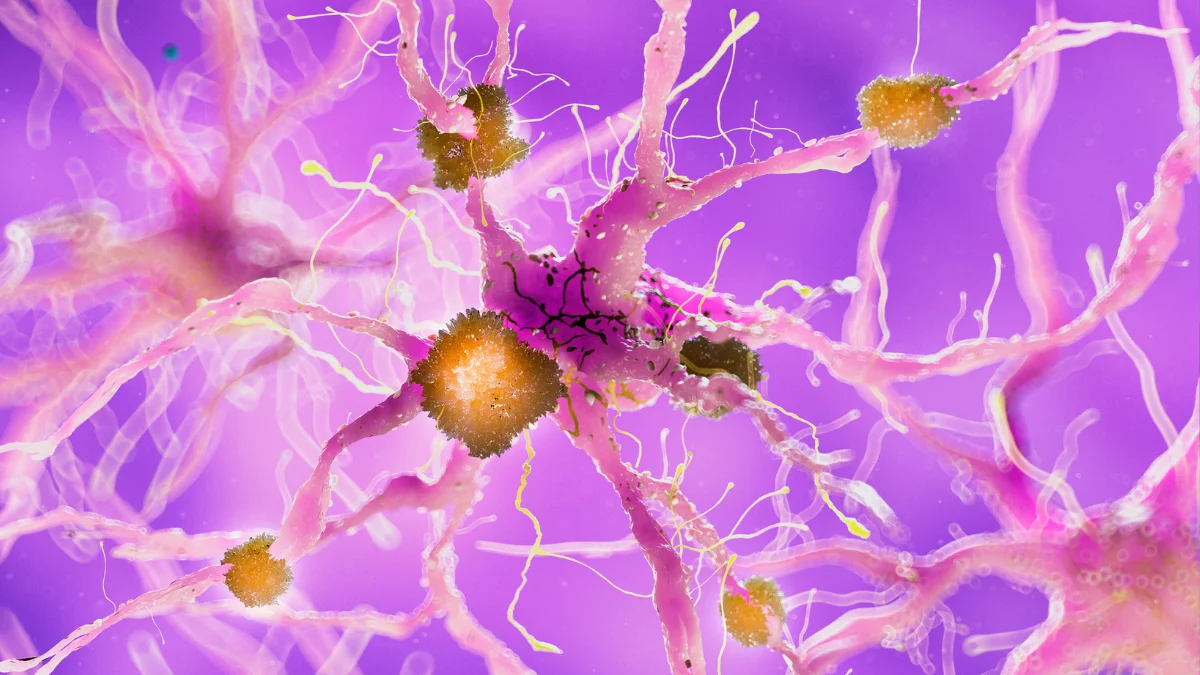
Neurological diseases are known as one of the biggest health challenges in today's world. These diseases, such as Parkinson, MS (MS), stroke, Alzheimer, brain injury, and dementia, not only affect people's quality of life, but also impose a great financial and social burden on society. Due to the rapid growth of the elderly population and the increase in the prevalence of these disorders in old age, the prevention of neurological diseases has become a global priority. Fortunately, there are several measures to prevent and reduce the risk of contracting these diseases. In the rest of this article, we will examine the main causes of neurological diseases and their prevention methods, and we will analyze the role of diagnostic services such as EEG and TCD (TCD) in identifying the primary risks of these diseases. did Stay with us.
The main causes of neurological diseases and prevention methods
Neurological diseases may be caused by a set of genetic, environmental and lifestyle factors. Understanding these causes and preventing them can take effective steps in reducing the prevalence of these diseases.
Genetics
Many neurological diseases such as Parkinson, Alzheimer, and Amyotrophic lateral sclerosis (ALS) are directly related to genetic factors. These diseases mainly depend on heredity and family history, and people with a family history of these diseases are usually at higher risk. Research has shown that certain genetic mutations can make a person susceptible to these diseases. Understanding these genetics allows doctors to identify people who may be at risk and offer them preventive testing and genetic counseling. Additionally, as the science of genetics advances, new treatments have become available that can help slow the progression of genetic diseases. Therefore, genetic identification and examination can help in early diagnosis and preventive interventions for these diseases.
Lifestyle
Lifestyle plays an essential role in the occurrence of neurological diseases. Inappropriate behaviors such as poor diet, physical inactivity, smoking and alcohol consumption, and chronic stress can lead to neurological damage. Scientific evidence indicates that improper nutrition can cause chronic inflammations in the brain and ultimately lead to neurological disorders.
Excessive consumption of saturated fats and simple sugars, in addition to increasing the risk of cardiovascular diseases, can also promote neurological diseases. In addition, lack of physical activity and prolonged sitting, especially in the present era when most people are less active due to working with computers or smart phones, can cause a decrease in brain function and thus increase the risk of neurological diseases such as Alzheimer's. On the other hand, regular exercise and consumption of foods rich in antioxidants, such as fruits and vegetables, can help maintain brain health. Reducing stress and doing relaxing techniques such as meditation or yoga also help improve nerve function and reduce the risk of neurological diseases.
 Inappropriate behaviors such as improper nutrition, physical inactivity, smoking and alcohol consumption, and chronic stress can lead to nerve damage. The picture shows a person who is likely to suffer from neurological diseases due to improper nutrition and obesity.
 Medical conditions
Chronic diseases such as high blood pressure , diabetes, and cholesterol high can directly affect the health of the brain and nervous system. Over time, high blood pressure can damage the blood vessels in the brain, increasing the risk of stroke and dementia. Diabetes can also lead to nerve damage and neurological disorders, especially when blood sugar is consistently high. On the other hand, high cholesterol can cause atherosclerosis (hardening and narrowing of blood vessels) and restrict blood flow to the brain, which increases the risk of stroke and cognitive impairment.
Controlling these conditions through appropriate medications and lifestyle changes such as healthy diet, weight loss, exercise, and stress control can help prevent brain and nerve damage. Therefore, timely prevention and treatment of these diseases can play an important role in reducing the risk of neurological diseases.
The role of diagnostic services in identifying risk factors
Diagnostic services play a vital role in the process of preventing neurological diseases. Using modern medical tools can help identify neurological problems before obvious symptoms appear. These services include various tests that help identify neurological disorders and assess the extent of damage.
Encephalography (EEG)
Engography or electroencephalography (EEG) is a diagnostic method that allows doctors to record and analyze the electrical activity of the brain. This test can detect various brain disorders such as seizures, epilepsy, sleep disorders, and even some other neurological disorders. In diseases such as Alzheimer's or degenerative diseases, where obvious symptoms may appear gradually, the use of brain scans in the early stages can help detect nerve damage before severe symptoms occur. In addition, the brain scan helps to diagnose functional problems of the brain in people with cognitive and neurological disorders and can play an effective role in preventing further damage.
TCD
TCD or Transcranial Doppler is another imaging method that is specially designed to evaluate the blood flow in the brain. This method uses sound waves to measure cerebral blood flow and can detect problems such as stroke, cerebral artery stenosis, and other disorders related to blood flow. With the help of TCCD, doctors are able to examine the functioning of cerebral vessels and identify problems such as reduced or blocked blood flow before they lead to serious damage. This method can help and prevent serious brain problems especially in patients who are at risk of stroke or cardiovascular diseases. Therefore, TCCD is an effective preventive tool that can help in early detection and treatment of brain problems.
Use of TCCD in the examination of cerebrovascular function
TCCD (Transcranial Doppler) is one of the new methods used to check the condition of blood flow in cerebral vessels. This non-invasive technique allows doctors to obtain detailed information about the state of blood flow in the brain and the possibility of problems such as stroke or narrowing of the cerebral arteries. In patients with a history of heart problems or people who are at risk of stroke, the use of TCCD can be very useful to evaluate the function of cerebral vessels. This test can also help diagnose indirect problems that lead to neurological disorders, such as circulatory disorders.
Using EEG to prevent neurological problems
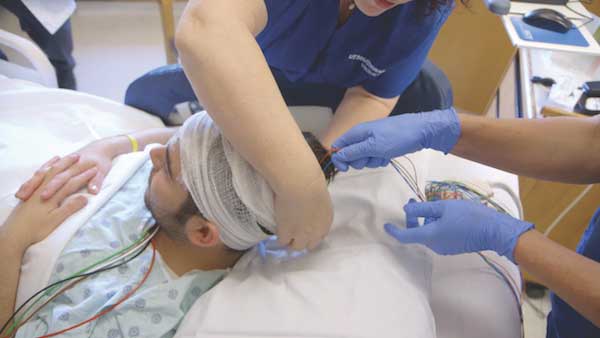
Encephalography (EEG) is not only effective in diagnosing diseases such as epilepsy and seizures, but it can also play a role in identifying brain problems before obvious symptoms appear. This test is able to identify hidden and early disorders and prevent their progress by analyzing the brain's electrical activity patterns carefully. For people who are at risk of developing neurological diseases, such as those who have a family history of brain diseases or who show symptoms such as sleep disturbances or changes in behavior, EEG is a key tool for monitoring and prevention. In addition, EEG can help doctors identify emotional and psychological disorders that have a neurological origin and prevent more serious problems in the future. have In the picture, the doctor is examining the patient's brain scan.
Healthy lifestyles to reduce the risk of neurological diseases
One of the most important ways to prevent neurological diseases is to make positive changes in lifestyle. Simple and practical changes in diet, physical activity and stress management can prevent the occurrence of many neurological problems.
Proper nutrition
Nutrition plays a very important role in maintaining the health of the brain and nervous system. Eating foods rich in antioxidants, omega-3 fatty acids and B vitamins can help improve brain function and reduce the risk of neurological diseases. Antioxidants found in fruits and vegetables protect brain cells from damage caused by free radicals. Also, omega-3 fatty acids found in fatty fish such as salmon, sardines, and tuna help strengthen cognitive function and memory. B vitamins, found in whole grains, green leafy vegetables, nuts, and legumes, are essential for making neurotransmitters and supporting healthy nerve cells. In addition, eating healthy foods and reducing the consumption of trans fats and processed foods can reduce the risk of developing neurological diseases.
Regular exercise
Regular physical activity has many positive effects on brain function. Exercises help improve blood flow and supply oxygen to the brain, which is very important for maintaining cognitive function and preventing neurological diseases. Activities such as walking, running, swimming, yoga and strength training can boost memory. These activities also help improve concentration. In addition, they reduce the risk of diseases such as Alzheimer's and Parkinson's. In particular, aerobic exercise that requires deep and continuous breathing, such as running or cycling, stimulates the production of neurotrophic factors that help regenerate and grow nerve cells. Regular exercise also helps to reduce stress and anxiety, which are effective factors in neurological diseases.
Stress Management
Chronic stress is known as one of the main causes of neurological diseases. Elevated levels of cortisol (the stress hormone) over time can lead to damage to brain cells, especially in areas related to memory and learning. Stress management techniques such as meditation, deep breathing, yoga, and relaxation exercises can help reduce stress levels and, as a result, help maintain a healthy brain and nervous system. Mental exercises such as meditation and focusing on breathing improve mental states and reduce the body's negative reactions to stress. Also, participating in recreational or social activities that bring happiness and relaxation can be effective in reducing stress and improving nervous health.
 Among stress management techniques, we can mention yoga, which reduces stress levels and thus helps maintain the health of the brain and nervous system. In the picture, a person is doing yoga.
 Avoid smoking and alcohol
Smoking and alcohol can cause serious damage to the nervous system. Smoking reduces blood flow to the brain, destroys nerve cells and reduces oxygen supply to the brain, which can increase the risk of diseases such as Alzheimer's and neurodegenerative diseases. Alcohol consumption, especially in large amounts, has a negative effect on brain cells and cognitive function and can lead to permanent neurological damage. Therefore, avoiding smoking and reducing or eliminating alcohol consumption can prevent many neurological diseases and help maintain brain function and general health.
Conclusion
Prevention of neurological diseases is possible. By using appropriate methods and early detection, these problems can be prevented. Methods such as the use of EEG and TCD are very effective for identifying brain problems in the early stages. A neurologist can help diagnose neurological problems before symptoms appear by examining a person's medical history and performing preventive tests. Also, making positive changes in lifestyle such as proper nutrition, regular exercise, and stress management play an important role in preventing neurological diseases.
These changes can significantly reduce the risk of diseases such as Alzheimer, Parkinson and stroke. To prevent nervous disorders, regular examinations and consultation with specialistsn are necessary in this field to prevent the progress of neurological diseases.
Categories:
prevention of neurological diseases Dr. Majid Kihani Fard
Dr. Majid Kihanifard was born in 1352 in Isfahan. He completed his general medical education at Isfahan University and specialized neurology course at Shahid Chamran University of Ahvaz and completed his knowledge and skills by completing a subspecialty fellowship in cerebrovascular surgery in Switzerland. He has always been a pioneer in providing new treatments and effective research, especially in the field of MS and stroke prevention, by emphasizing on increasing the health level of the society, informing the patients and respecting the patient. Dr. Kihanifared has been awarded the title of "Best neurologist in Isfahan" by the provincial medical system organization and has played an effective role in improving patient care services with applied research and advanced surgeries. Related Articles
Dr. Majid Kihani Fard
Dr. Majid Kihanifard was born in 1352 in Isfahan. He completed his general medical education at Isfahan University and specialized neurology course at Shahid Chamran University of Ahvaz and completed his knowledge and skills by completing a subspecialty fellowship in cerebrovascular surgery in Switzerland. He has always been a pioneer in providing new treatments and effective research, especially in the field of MS and stroke prevention, by emphasizing on increasing the health level of the society, informing the patients and respecting the patient. Dr. Kihanifared has been awarded the title of "Best neurologist in Isfahan" by the provincial medical system organization and has played an effective role in improving patient care services with applied research and advanced surgeries. Related Articles July 28, 2025

Author: Dr. Majid Kihanifard
Sinus headaches: why they happen and how to get relief?
July 15, 2025

Author: Dr. Majid Kehanifard
treating headaches with cold compresses- fast headache treatment
July 14, 2025

Author: Dr. Majid Kehanifard
Severe Headache Quick Cure at Home in Less Than 10 Minutes
May 25, 2025

Author: Dr. Majid Kehanifard
side effects of antidepressants
May 14, 2025

Author: Dr. Majid Kehanifard
Symptoms of generalized anxiety disorder in adults
May 12, 2025.
Author: Dr. Majid Kehanifard
May 11, 2025

Author: Dr. Majid Kehanifard
How can I deal with social anxiety?
May 11, 2025

Author: Dr. Majid Kehanifard
May 11 2025. src="https://drmkeyhanifard.com/wp-content/uploads/2025/03/dr-kehanifard.webp">
Author: Dr. Majid Kehanifard
April 19, 2025. Fred
Plasmapheresis: Treating Autoimmune Diseases to Cancer with Plasmapheresis
April 9, 2025

Author: Dr. Majid Kehanifard
What are the warning signs of neurological diseases?
April 8, 2025
Author: Dr. Majid Kehanifard
Epilepsy treatment - what is the best treatment for epilepsy patients?
Drug Library
Find all neurologic drugs here
Write your opinion Cancel response
مقالات دیگر از Dr. Majid Kihani Fard


SEO site management services
Search engine optimization (SEO) services help you to rank your website higher in the search results of Google and other search engines.

Implementation of branding and digital advertising
Digital branding means creating a strong and distinctive brand in the digital space for a company or a specific product. This process involves using digital methods and strategies to build and strengthen the brand.

Website design for companies and businesses
Website design for companies and businesses can help you have a stronger online presence and attract more customers. Contact us for more information.
