
Care after ear surgery


Care after ear surgery
Summary of content (click)
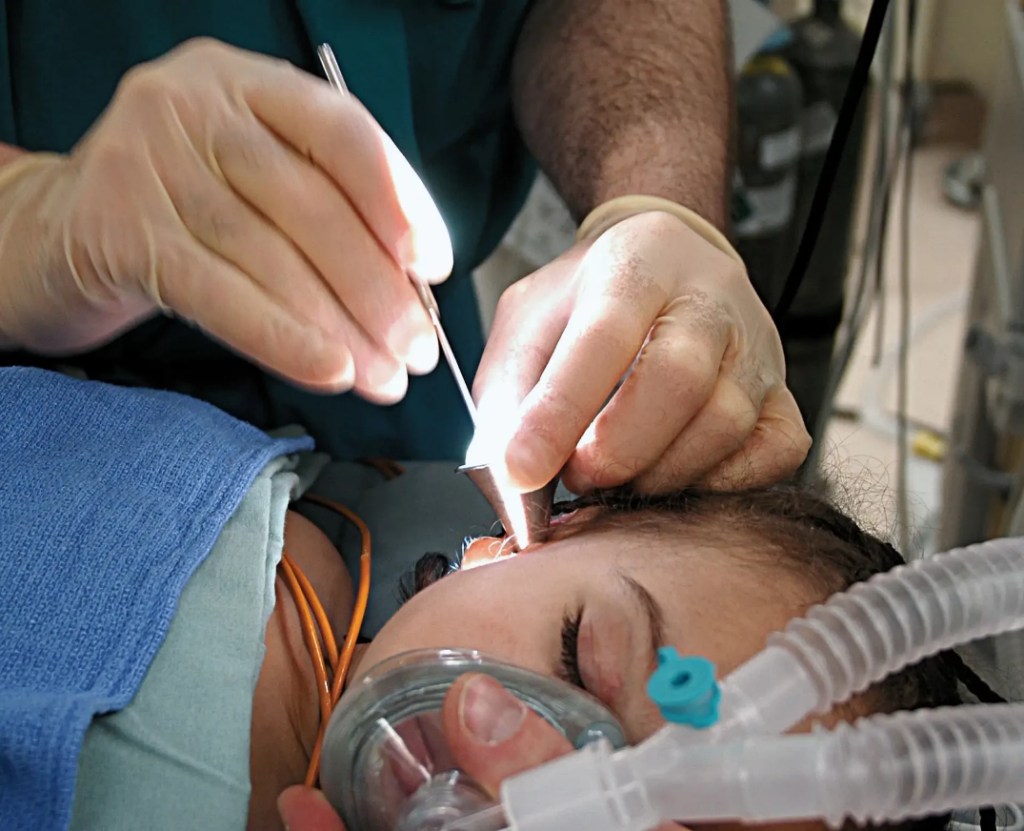
Ears may undergo surgery for various reasons; One of the most common ear surgeries is tympanoplasty (eardrum repair) or mastoidectomy (related to ear infection). Care measures after these surgeries are as important as the surgery method; Therefore, as much as possible, you should follow the doctor's instructions for after surgery. In this article, we discuss all the points related to care after ear surgery.
Why is ear surgery performed?
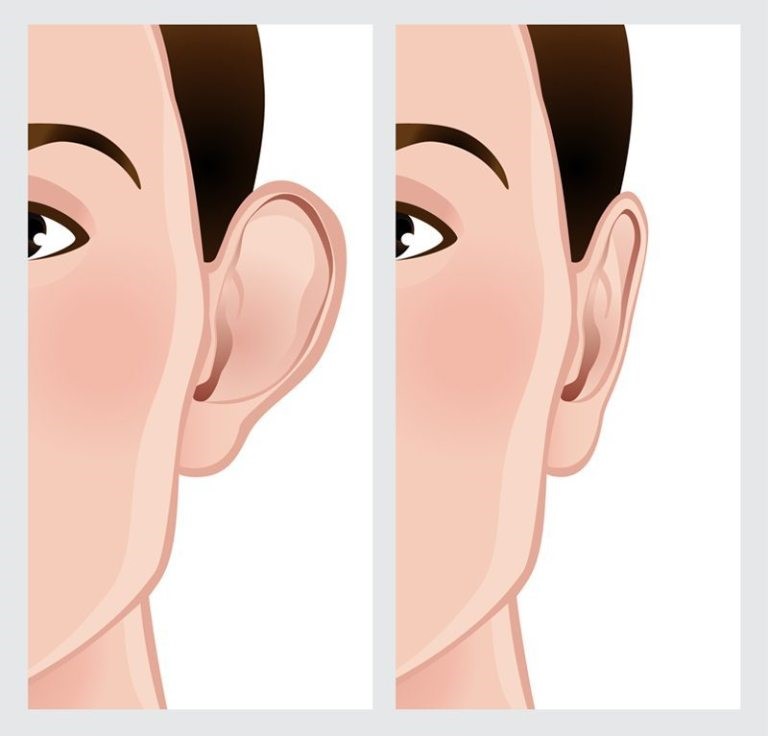
Ear surgery can be performed for various reasons and purposes. Ear surgeries include surgeries such as cosmetic ear surgery to correct the shape of the ears, change the shape of the earlobe, correct surface abnormalities of the ear, improve symmetry, or restore tissue lost due to trauma.
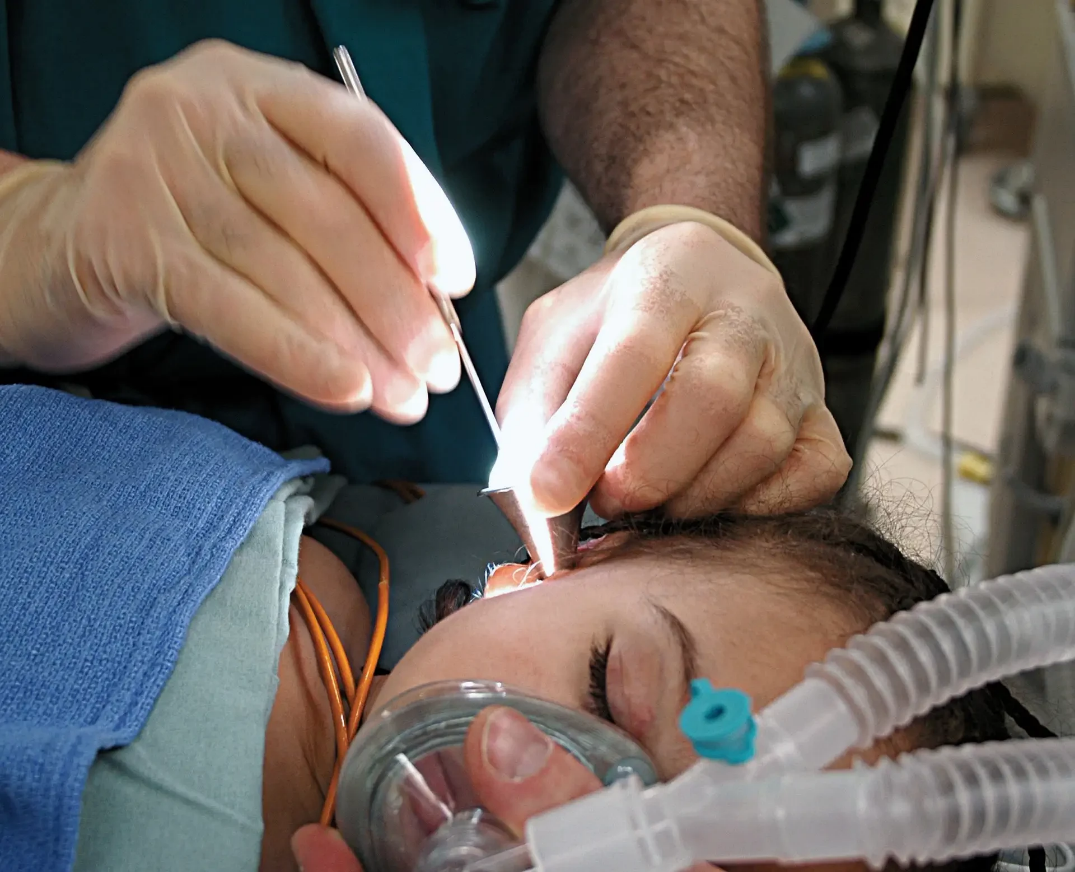
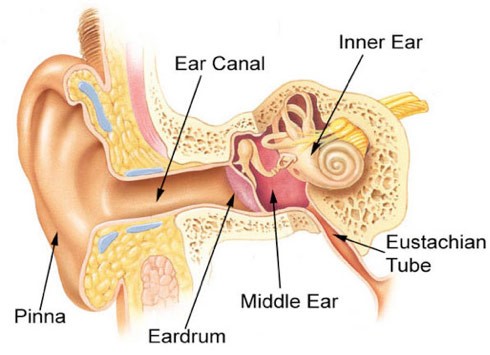
Earlobe surgery, commonly performed on children, involves inserting a small plastic tube into the eardrum to facilitate airflow and help drain fluid for children with chronic ear infections. This surgery is also performed for adults, but it is more common in young children.Many inner ear diseases can be corrected through endoscopic procedures. Instead of making an incision behind the ear, the surgeon accesses the middle ear through the ear canal. Also, for people with hearing loss, cochlear implants or other types of surgery can be done to help them hear.
Getting the desired result from ear surgery requires following care points after ear surgery.
What happens after ear surgery?
Hearing may improve or worsen after ear surgery. The operated ear is bandaged with a material called Gelfoam. After the surgery and dressing, you will feel stuffy in the ear and may hear a popping sound. Also, the temple and the area around the eyes may also swell after ear surgery.The most important thing to keep in mind after ear surgery is to keep the ears dry. If your child's ear has been operated and feels nauseous and dizzy one day after the surgery, it is better to eat soft and warm foods that are easy to swallow, such as soup.
Symptoms that occur during the recovery period
Some of the following symptoms are among the symptoms that may occur after ear surgery:
Dryness or change in the taste of the mouth
After ear surgery, your child or yourself may experience dryness or a change in the taste of the mouth for several weeks after the surgery. A change in the taste of the mouth usually feels like a metallic taste on one side of the tongue; In some patients, these symptoms can be permanent due to the damaged nerve in the middle ear.
Read more about otoplasty or ear cosmetic surgeryTinnitus Ear
You may hear sounds like ringing or tinnitus after surgery. It may take two months for the tinnitus to heal and completely disappear, and it will stop when the hearing improves. In some cases, it may take more than two months.
Ear numbness
Part of the ear or all of it may be numb after the surgery; Loss of sensation in the ear can be permanent or temporary. If you still have ear numbness after a few days, you should see a doctor as soon as possible.
Jaw pain
It is possible that after ear surgery, some pain or stiffness will occur in the jaw; Because the jaw joint is located in front of the ear canal. Feeling pain in the jaw area after surgery is normal and there is nothing to worry about; Because it will be fixed after one to two months after the surgery.
Discharge behind the ear
The surgeon may need to place a drainage tube behind the ear. Usually, this is not done before surgery; However, if a drainage tube is used, this tube will be removed after the operation.
Pressure and dizziness
It is possible to experience "popping" noises, or mild dizziness after ear surgery due to the closure of the middle ear. It is normal to feel dizzy or light-headed for a week after surgery.
Home care measures after ear surgery
Home measures are very important for care after ear surgery; These actions include:
- If you use a dressing after surgery, it is very important to keep it clean and dry. The dressing is usually removed two days after surgery.
- It is very important to get all the water out of the ear canal. To do this, place a cotton ball thoroughly soaked in an antibiotic (such as bacitracin) or petroleum jelly in the outermost part of your ear. Keep the bandage or cotton pad dry when you wash your face. It is better to use a shower cap for more protection.
- After ear surgery, avoid bathing for 4 days. Try to get all the water out of the ear canal.
- Dark blood coming out of the ear is normal; You can clean the outside of the ear with hydrogen peroxide. You may also see brown or dark red patches of gelfoam coming out of the ear canal. Do not try to remove the remaining pieces inside the ear; Because you may damage the ear.
- If an incision is made behind the ear, it is bandaged with small strips called steri tape. These strips should remain in place for 10 to 12 days. All stitches are under the skin and heal on their own. Sterile tapes do not require care.
- sneeze with open mouth; Because you should not try to hold a sneeze. Holding a sneeze puts pressure on the ear and causes damage.
- Blowing the ear, chewing or blowing gum is prohibited until two weeks after the surgery in order to care after the ear surgery; Because it puts pressure on the ear and opens the stitches.
- If you have been prescribed antibiotics, please take them as directed until you are fully recovered. In some surgeries, you do not need to take oral antibiotics because the antibiotics are already placed in the ear canal.
- Try not to sleep on the operated ear so as not to put pressure on the ear.

Long-term care after ear surgery
After the success of the surgery and passing the recovery period without causing any problems, in order to care after the ear surgery for a long time, you should follow the doctor's orders and perform general ear care:
- Avoid putting sharp objects in the ear
- Listening to loud music on headphones
- Using health care products
- Preventive care and regular visits to an otolaryngologist to check the condition of your ears
Perform ear surgery again
Sometimes, re-surgery may be needed to make corrections; Especially in cosmetic ear surgery, it is possible that the ears become asymmetrical after the surgery. After the recovery period, if you are not satisfied with the shape of the ear, you can ask the doctor to perform surgery again to fix the defects.
In eardrum repair surgery, re-surgery may also be required. They usually fall off on their own as children grow. If the eardrum does not close completely after this, surgery may be needed to repair the eardrum.

Activity after ear surgery
Avoid vigorous sports activities for a few weeks after ear surgery. Also, swimming is prohibited until the surgeon gives permission.
Avoid lifting heavy objects or bending over until your doctor gives you permission. This prevents pressure in the head and ears. Usually, children can return to school between one and three days after surgery.
Avoid playing musical instruments that require blowing, such as the trumpet or other wind instruments, until your doctor tells you to.
These measures are recommended for care after ear surgery; By taking these cares, you can reduce the recovery period after ear surgery and prevent problems after surgery.
When should we see a doctor?
See an ear, nose and throat doctor as soon as possible if any of the following occur:
- If you feel severe pain after taking painkillers.
- A large amount of bleeding, pus, or foul-smelling discharge comes out of the ear.
- Fever and dizziness
- There have been changes in the appearance or movement of your face after surgery.
Patients who have cochlear implants or other hearing aids should meet with their physician for rehabilitation therapy to help them adjust and use the device. Learning a new communication system takes time, so placing an implant is just the beginning.
Other care measures for ear care after surgery
Besides home measures for care after ear surgery, keep the following measures in mind:
- Take the exact amount of medicine prescribed by your doctor.
- Do not do anything that requires high balance and concentration while taking painkillers.
- If the medicine is liquid, use a measuring device (available at the pharmacy) to measure the exact dose. Do not measure liquid medicines in a kitchen spoon.
- Do not take more than 5 doses of medication in a 24-hour period unless directed by your doctor.
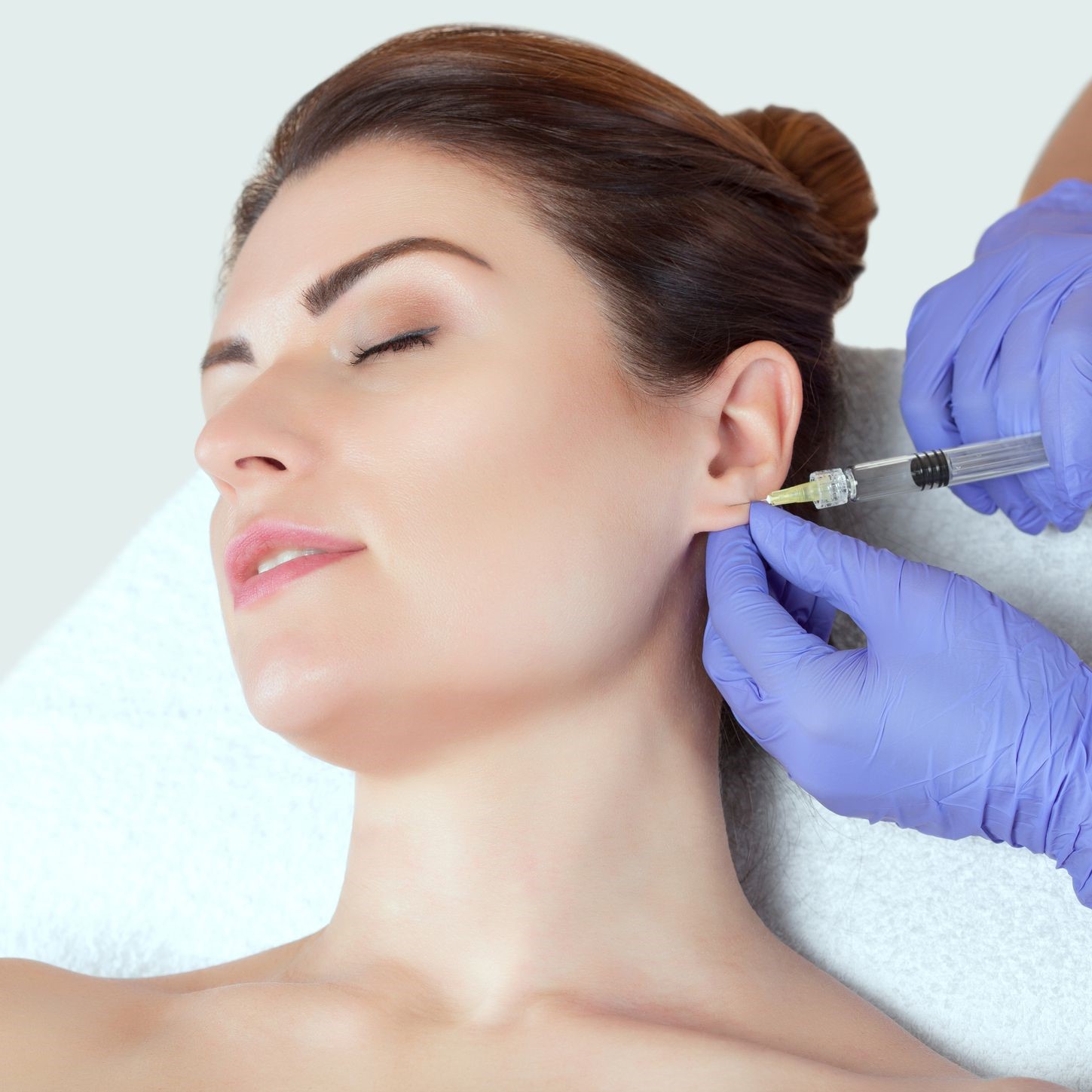
Bathing after ear surgery
When taking a bath, make sure to always keep the ear dry. You can shower for a few days after the surgery, but you should avoid getting wet and putting pressure on the wound. You can place a cotton ball dipped in Vaseline or attached to an earplug in the outer cup of the ear (do not use unlubricated cotton or compress the dressing into the ear). If water enters the ear, dry it with a towel and do not put anything into the ear canal.
For aftercare after ear surgery, dry surgical incisions and wounds immediately after showering and apply moisturizing lotion (Aquaphor, Citafil) or antibiotic ointment (if prescribed) to the wounds until they are completely healed. When the incision is covered with glue, there is no need to use lotion.
Conclusion
Ear surgery is a sensitive operation and the desired result without side effects is required to follow measures for care after ear surgery. These cares are very important; Because they reduce the possibility of infection and accelerate the healing process. Therefore, it is very important to follow the doctor's instructions after ear surgery. If you see any complications or unusual events after ear surgery, see an ear, nose and throat doctor to guide you. We hope this article was useful for you.
Write your opinion Cancel reply
About Dr. Rahmati
Subspecialist in plastic, cosmetic and reconstructive surgery, associate professor and faculty member of Tehran University of Medical Sciences, member of the Iranian Plastic Surgeons Association
Most visited articles

Arm surgery with laser
Read the article »
What is tip plastic surgery?
Read the article »
Care after ear surgery
Read the article »Newsletter
Dr. Javad Rahmati cosmetic surgery weekly
Enter your email address in the box below to receive the latest educational and medical articles :)
Facebook Twitter YoutubeTop articles
Arm surgery with laser
September 3, 1402
What is tip plastic surgery?
August 30, 1402
Care after ear surgery
August 24, 1402Communication with us
- 5th floor, unit 21, doctors' building 2016, corner of Koche Ya Nabavi, above Qaitarieh metro station, Tehran, Shariati St.
- 09029191026 - 02122240061 - 02126768159
- Free consultation: 09029191026
All rights of this website belong to Dr. Javad Rahmati, specialist in plastic, cosmetic and reconstructive surgery
مقالات دیگر از Dr. Javad Rahmati


SEO site management services
Search engine optimization (SEO) services help you to rank your website higher in the search results of Google and other search engines.

Implementation of branding and digital advertising
Digital branding means creating a strong and distinctive brand in the digital space for a company or a specific product. This process involves using digital methods and strategies to build and strengthen the brand.

Website design for companies and businesses
Website design for companies and businesses can help you have a stronger online presence and attract more customers. Contact us for more information.
