
What is a nasal tampon?


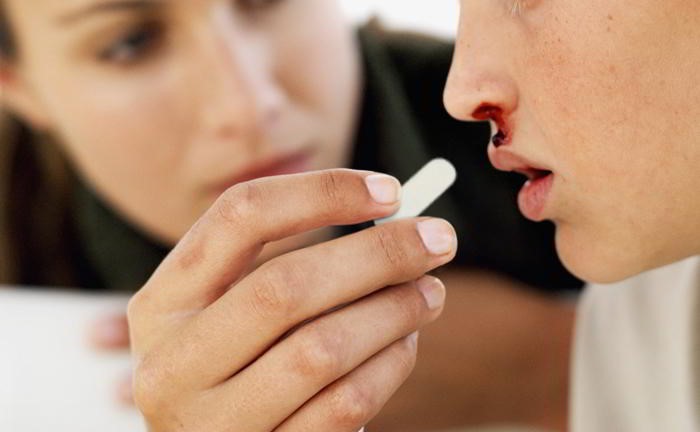
What is a nasal tampon?
Summary of content (click)
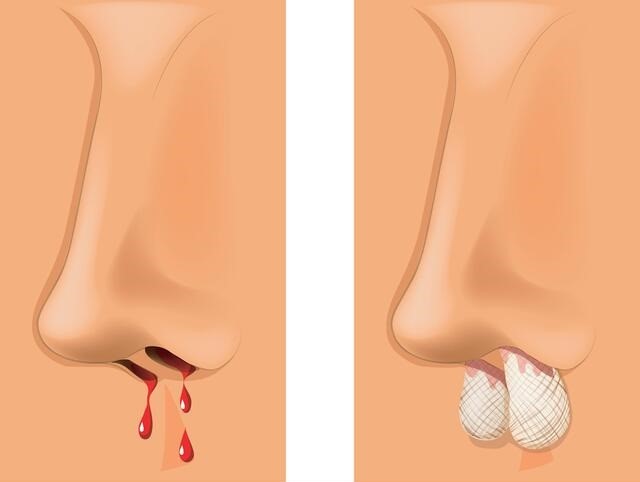
After completing the rhinoplasty, the doctors place a kind of gauze impregnated with antibiotic ointments or tetracycline in your nasal cavity, which is called a nasal tampon.
Tampons prevent bleeding and hematoma formation in the nasal septum. Nasal tampon should be in your nose for one day and after one day the surgeon will remove it from your nose. The time to remove the tampon from your nose is from 4 to 24 hours, it depends on the opinion of the surgeon and the type of surgery.
Taking the tampon out of the nose does not hurt, and you may have unpleasant sensations for just a few seconds.
In this article, we will review everything about tampons.
Types of tampons
Nasal tampons are used in different types; One of its types is sterile gauze or a piece of cotton wool that is compressed and placed inside the nasal cavity. Or pre-designed foam, gauze, or cotton that goes directly into the nose after removing from the package.
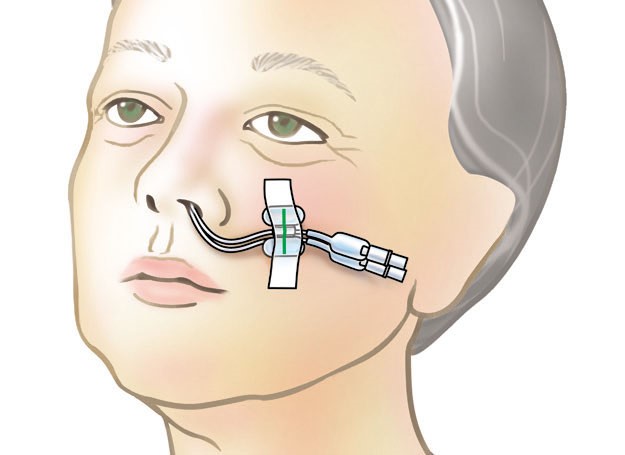
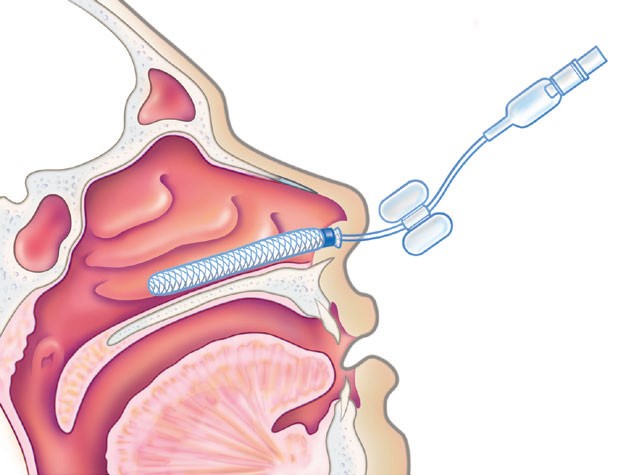
Another type of tampon has an appendix or thread that remains on the outside of the nose and can be used to change the tampon. It may also have a tube in the middle so that air can easily pass through it.
Some tampons have a silicone airway for easier breathing for patients, which we call Airway or Stent, but their performance is poorer than tampons that are completely blocked. These airways are a type of internal splint that can be used instead of tampons in nose surgery.
What is the use of tampons?
The tampon is a spongy and soft bandage that is often connected to a 15 cm string, which makes it easy to move the tampon or remove it from the nose.
The surgeon will coat the tampon with antibiotic ointment or sometimes lidocaine before inserting it into the nose to prevent bleeding after surgery. In some nasal surgeries where the nasal septum is reconstructed, such as cystoplasty, turbinectomy, or polyp surgery, tampons are used; Because the tampon prevents the formation of hematoma.
Using tampons after nose surgery depends on the patient's condition. In some cases, patients do not need tampons. But in some surgeries, such as nasal deviation, nasal polyps or cartilage transplant to the nose, an internal splint should be used to stabilize the new blade.
Why are tampons used after nose surgery?
The most important use of a tampon is to control bleeding by applying pressure on the blood vessels of the nose. The second use of soft tampons is to moisten the nasal cavities; Because it is impregnated with antibiotics and prevents the skin of the nose from drying out and causing sores in the nose.
The third use of a tampon is like an internal nasal splint in some surgeries that change the nasal septum; Therefore, it prevents the formation of hematoma and helps maintain the position of the new nasal blade.
Read more about the side effects of nasal surgery and 9 important recommendationsNose
In the past, large dressings (wick, mesh, filter) were used to repair internal incisions in the nose, which were difficult for the patient to bear and their removal was painful and uncomfortable.
Fortunately, with new surgical techniques, there is no need to insert a wick, and in general, the new nasal tampons are smaller than the old tampons, so that the patient does not feel pain during its insertion and removal.
Is it recommended to use tampons in all nose surgeries?
No; In most cases, the use of nasal tampons depends on the nose and the position of the patient, the surgeon determines whether there is a need to use tampons or not. For example, for elderly people who find mouth breathing difficult, tampons may not be used, or surgery is performed in such a way that the surgeon assumes that there will be no bleeding after the operation; Therefore, he does not use tampons.
How many days should the tampon be placed inside the nose?
It is not possible to give a precise answer to this question; Because the best time to remove the tampon is different for each person and depends on the surgeon's prediction of bleeding after surgery.
In the past, most plastic surgeons removed the tampon after 7 or 14 days of surgery; But this activity caused many infections and injuries. For this reason, nowadays, surgeons remove tampons between 4 and 24 hours after surgery.
Limiting this time interval does not cause any harm to the person. Generally, the tampon is removed between 4 and 6 hours after the surgery; It means that when you go home, there is no tampon in your nose.
But in some surgeries, such as nasal deviation and nasal fracture, the tampon may be inside your nose for up to 24 hours.
How to remove nasal tampon
This activity must be done by the surgeon and in the clinic; Because removing it at home can harm you.
The way to remove the tampon from the nose in the clinic is that you first lie on a bed or chair and then lean your head back. Next, the surgeon begins to remove the tampon with a tool such as surgical forceps.
At the same time, the surgeon checks the symptoms by putting some pressure on the mucous membrane and uses a drop like phenylephrine.
If there is no sign of bleeding after removing the tampon and after a few minutes if everything is normal, the patient can go home.
Does it hurt to remove a nasal tampon?
Most patients are afraid to insert and remove tampons. Placing a tampon in the operating room is done while you are under anesthesia, but the removal of the tampon by the surgeon must be done in the clinic.
Care after nasal tampon removal
After removing the nasal tampon, you should take care of the following:
- Do not fin to remove dry blood from the nose and do not try to blow it out. You should not fin three weeks after nose surgery, because blowing your nose strongly will increase the bleeding.
After removing the tampon, clean your nose according to the following instructions:
- To tighten the blood vessels and reduce inflammation, use a cold compress on your nose for about 10 minutes.
- To prevent nasal congestion, use the nasal drops prescribed by the doctor.
- If you want to sneeze, do it naturally.
- Do not bend over, lift heavy objects, or do other activities that put pressure on your nose for 48 hours.
- The mucous membrane dries up and may cause nosebleeds due to breathing dry air. To prevent it, you can use salt serum.
- Cleaning the nose after removing the tampon prevents infection and keeps the nasal passages open.
- In the first three weeks, clean your nose twice a day with a cotton swab dipped in salt serum.
- To prepare this serum at home, you can use a mixture of a little salt and warm water in a cup.
- In the fourth week, start cleaning your nose once a day with a syringe full of Normal Sally.
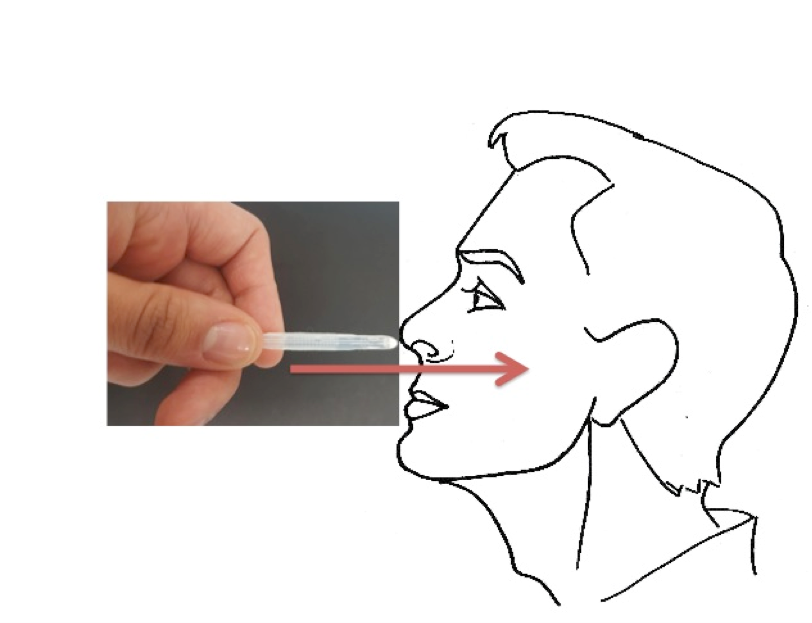
Bleeding after removing the tampon from the nose
The nose has many small blood vessels and it bleeds for various reasons such as finning, dry nose and trauma. Epistaxis (nosebleeds) can occur behind or in front of the nose. But in general, most of the bleeding happens on the septum.
Bleeding after tampon removal may be due to removing pressure from blood vessels. If bleeding continues or recurs, contact your surgeon.
In case of bleeding, do the following:
- Don't panic and stay calm because excess excitement will increase your blood pressure and make the bleeding worse.
- Keep the tip of your nose next to your thumb and finger for three minutes.
- Take two pain relievers. (Do not use aspirin or anti-inflammatory)
- Wash your face and neck with cold water or use a cold water compressor.
- Do not lie down and do not keep your head down.
Are tampons used in modern surgical procedures?
In the past, tampons were used to shape and keep the middle nasal septum flat and also to prevent bleeding after surgery; In such a way that the tampons pressed the blade in the middle of the nose and kept the nasal septum straight, thus preventing nosebleeds. But with the advancement of rhinoplasty techniques, today we don't need to use tampons after surgery.
The blade in the middle of the nose becomes smooth, and the accuracy of stitching the mucosa of the middle nasal septum is more, and the possibility of bleeding is greatly reduced.
This is done with the help of fine stitches inside the nose, which will be absorbed by the body without discomfort. Nasal lobes are also treated with radiofrequency ablation or minimally invasive procedures that prevent bleeding.
Today, with the help of modern surgical methods, tampons are used in less than 5% of surgical cases. In fact, tampons are only used in cases where severe nose surgery or a large part of the nose is involved; such as correction of nasal septum deviation.

Disadvantages of nasal tampons
The tampon does no harm and the only disadvantage we can point to is the drying of the mouth. Since a tampon is inside your nose, the patient cannot breathe through the nose and breathing is only through the mouth; Therefore, it causes dry mouth and throat.
But it is not an important issue and it can be solved by removing the tampon. During the 24 hours that a tampon is inside your nose, you can drink warm water (not too cold, not too hot) to keep your mouth moist.
In some cases, it has been seen that removing the tampon has caused an infection. But if the removal of the tampon is done by a doctor and you observe the care after removing the nasal tampon that we have explained in the text, there will be no problem.
Conclusion
Surgeons use a well-known method called nasal dressing to control surgical complications. Although nasal dressing is unpleasant in terms of appearance, it is necessary to prevent complications from surgery; Whether this surgery is done for cosmetic purposes or to improve function and remove nasal obstruction.
You should find the necessary knowledge about tampons and how to take care of them before and after them; Therefore, this article has been prepared for you to get the best result.
Write your opinion Cancel reply
About Dr. Rahmati
Subspecialist in plastic, cosmetic and reconstructive surgery, associate professor and faculty member of Tehran University of Medical Sciences, member of the Iranian Plastic Surgeons Association
Most visited articles

Arm surgery with laser
Read the article »
What is tip plastic surgery?
Read the article »
Care after ear surgery
Read the article »Newsletter
Dr. Javad Rahmati cosmetic surgery weekly
Enter your email address in the box below to receive the latest educational and medical articles :)
Facebook Twitter YoutubeTop articles

Arm surgery with laser
September 3, 1402
What is tip plastic surgery?
August 30, 1402
Care after ear surgery
August 24, 1402Communication with us
- 5th floor, unit 21, doctors' building 2016, corner of Koche Ya Nabavi, above Qaitarieh metro station, Tehran, Shariati St.
- 09029191026 - 02122240061 - 02126768159
- Free consultation: 09029191026
All rights of this website belong to Dr. Javad Rahmati, specialist in plastic, cosmetic and reconstructive surgery
مقالات دیگر از Dr. Javad Rahmati

مراقبت بعد از عمل جراحی گوش
...

آیا چسب زدن بینی بدون عمل تأثیر دارد؟
...

عمل تیپ پلاستی چیست؟
...

جراحی بازو با لیزر
...

جراحی جینوپلاستی
...

آشنایی با لیپوساکشن غبغب و چگونگی انجام آن
...

جراحی ماموپلاستی چیست و چگونه انجام می شود؟
...

عمل بینی چیست؟ + عکس و فیلم
...

نمونه کارهای دکتر جواد رحمتی
نمونه کار راینوپلاستی دکتر جواد رحمتی نمونه کار بلفاروپلاستی دکتر جواد رحمتی نمونه کار راینوپلاستی دکتر جواد رحمتی نمونه کار رینوپلاستی دکتر جواد رحمتی نمونه کار ابدو...

جراحی پروتز سینه؛ بررسی انواع، مراقبت ها و عوارض
...

جراحی لیفت سانترال لب و نکات مهمی که در مورد آن نمیدانید!
...

جراحی بلفاروپلاستی و ناگفتههای آن
...

SEO site management services
Search engine optimization (SEO) services help you to rank your website higher in the search results of Google and other search engines.

Implementation of branding and digital advertising
Digital branding means creating a strong and distinctive brand in the digital space for a company or a specific product. This process involves using digital methods and strategies to build and strengthen the brand.

Website design for companies and businesses
Website design for companies and businesses can help you have a stronger online presence and attract more customers. Contact us for more information.
