
How to calm down after the death of loved ones? Treatment and solution for depression after the death of loved ones

Coping and depression after the death of loved ones
- Mansoura Nikogovtar
- July 10, 1404
- No views
The content production team of John Ziba Psychology Clinicunder the supervision of
The death of a loved one is one of the most painful human experiences that can deeply affect a person's life. When faced with a loss, strong emotions such as sadness, anger, denial, fear and even guilt come to the person. These reactions are completely normal and are part of the grieving process. However, some people may experience severe depression, decreased motivation, sleep and appetite disturbances, and decreased daily functioning. Depression after the death of a loved one can be caused by a combination of psychological, social, and even biological factors. The loss of someone who was an important part of a person's life causes psychological balance to be disturbed and the feeling of emotional security to decrease. Many people feel lonely and hopeless at this stage and may not know the appropriate strategies to manage grief and return to everyday life. According to psychological research, mourning includes several main stages that each person may experience with different intensity: Denial and non-acceptance: At first, a person may not believe that their loved one has passed away. has lost This stage is a form of psychological defense that helps the person deal with the initial shock. Anger and Blame: After initial acceptance, feelings of anger or blame towards oneself and others may emerge. Many people ask themselves, "Why did this happen to me?" or "Could I have done something to prevent this incident?" Bargaining and hope: At this stage, the person may look for ways to bring back the lost loved one or hope that things will get better. Deep grief: Experiencing intense sadness, frequent crying, and decreased energy is a natural part of the grieving process. At this stage, social and family support is very important. Acceptance and adaptation: Finally, the person slowly comes to accept the loss and can adjust his life with the loss, although the void of the loved one is still felt. Help reduce the severity of depression and return to daily life. Talking with a professional psychologist or counselor, providing coping tools and recognizing feelings, enables a person to better cope with the loss process. Also, communication with family, friends and support groups plays a vital role in reducing the feeling of loneliness and increasing mental resilience. Knowing that your feelings are normal and need time to recover is considered the first step in dealing with depression after the death of loved ones. The next step of this article examines practical solutions to manage grief and depression so that a person can achieve more mental peace. Managing depression after the death of loved ones requires a combination of psychological approaches, social support and daily practical exercises. Knowing and using these solutions will help a person to better manage painful feelings and pave the way to return to everyday life. In the following, the most important methods of dealing with depression after loss are presented: One of the first steps in coping with a loss is to fully accept the feelings. Trying to suppress sadness, anger, or guilt can prolong the healing process. Instead of denying the feelings, one should recognize them, allow oneself to cry and express grief, and know that these reactions are normal and part of the grieving process. Practical solution: Dedicate a short time every day to thinking about the lost loved one. Review good memories and write down your feelings. From a diary or feelings notebook. Use to express thoughts. Maintaining contact with family, friends, and support groups can help reduce feelings of loneliness. Talking to people who have had a similar experience can provide comfort and deeper understanding. Also, participating in grief group meetings or specialized psychological counseling provides a safe space to express feelings. Practical solution: Participate in online or face-to-face grief-related groups. Connect with close friends or family members, daily or weekly. Use online or face-to-face psychological counseling services for support. Get a professional. Depression after the death of loved ones can cause a decrease in energy, insomnia, or loss of appetite. Body care plays an important role in mental health. Adequate sleep, healthy eating and regular physical activity can reduce the severity of depression and provide the energy needed to manage emotions. Practical solution: Have a daily schedule that includes adequate time for sleep, regular meals and light exercise. Do short walks outdoors, yoga or breathing exercises. Limit consumption of stimulants such as caffeine or alcohol. Do it. Mindfulness and meditation exercises can help a person face painful thoughts and feelings without judgment. These exercises reduce stress and anxiety and increase the feeling of relaxation and concentration. Practical solution: Dedicate 10 to 20 minutes daily to meditation or deep breathing exercises. Practice focusing on the present moment and paying attention to body sensations. Use guided meditation apps to learn techniques. Do it. Creative activities such as painting, music, writing or even crafting are useful tools for expressing emotions. These methods allow a person to process their grief in a constructive way and reduce negative mental energy. Practical solution: Writing a letter to a lost loved one, without sending it, can create a sense of relief. Creating works of art or music helps to express deep feelings. Participating in art workshops or groups. Creatively useful for social support and emotional expression. In depression after the death of a loved one, negative thoughts such as self-blame, thoughts of an uncertain future, or feelings of inadequacy are common. Changing these thought patterns and using positive and realistic self-talk will help a person feel more in control and the process of mental recovery will be faster. Practical solution: Every time negative thoughts appear, write them down on paper and then compare them with reality. Repeat positive sentences like "I have the right to take time and grieve". Take advantage of cognitive-behavioral exercises to manage negative thought patterns. Depression after the death of a spouse or partner can be one of the most severe emotional crises in life, because a person has not only lost his life partner, but the sense of security, companionship and meaning in his life is severely disturbed. This type of depression may be accompanied by feelings such as restlessness, isolation, anger, or even worthlessness, and if ignored, it can lead to more serious psychological injuries. Treatment of depression after the death of loved ones requires a specialized approach, along with emotional support, psychotherapy, and in some cases, drug intervention. In cases where this loss is caused by events such as war, the process of coping with the loss of loved ones in war is much more difficult, and one may struggle with a deeper sense of injustice and anger. In such a situation, getting help from mental health professionals can make the mourning process more bearable and the path back to life smoother. Mother The treatment of depression after the death of a parent is a sensitive and multi-stage process that requires acceptance of grief, emotional support and, in some cases, specialized psychological interventions. Losing a parent, especially if there is a close relationship with them, can create feelings of emptiness, loneliness, guilt, and even anxiety about the future. These reactions are normal, but if they persist for a long time and interfere with a person's daily life, it is a sign of depression and requires treatment. Effective methods for specialized depression treatment include: Seeking a psychologist or counselor helps a person identify, express and manage their complex emotions. Cognitive-behavioral therapy (CBT) is one of the most common methods to reduce negative thoughts and mental reconstruction during bereavement. Social support: connecting with friends, family members or support groups for the bereaved makes a person feel less alone and share their experiences with others. Meaningful activities: dealing with daily tasks, sports, art, or even helping others can help reduce feelings of isolation and aimlessness. Pharmaceutical treatment: In cases where the severity of depression is high and there are symptoms such as insomnia, anorexia or persistent negative thoughts, the psychiatrist may prescribe antidepressants. Positive acceptance and remembrance: Focusing on good memories and keeping the memory of parents in formats such as writing, making an album or doing things in their memory can facilitate the acceptance process. Depression after loss Loved ones can have many signs and symptoms that indicate the deep impact of this loss on a person's mental health. Knowing these symptoms will help you seek help in time if needed. In the following, we will name and explain some common symptoms of post-bereavement depression: The feeling of intense and long-term sadness that exceeds the normal state of mourning and is continuously present in a person's life. This grief may make it difficult for a person to carry out daily activities or enjoy activities they used to enjoy. A person may lose interest in usual activities, relationships with others, and even taking care of themselves. This lack of motivation can indicate a decrease in energy and low mood. Difficulty falling asleep, waking up frequently during the night, or sleeping too much, as well as significant changes in appetite, such as anorexia or overeating, are common symptoms of depression after the loss of a loved one. The person may feel that they have lost their worth. lost or blame himself for the death of a loved one, even if it doesn't make sense. These feelings can be very destructive and cause depression to worsen. Depression can cause a person to not be able to concentrate well or to be hesitant and confused in making simple decisions, which can cause problems in work and daily life. Sometimes, people during severe depression may have negative thoughts about life and even suicide. have These symptoms are very serious and require immediate professional intervention. If you or someone you know is experiencing such symptoms after losing a loved one, it is very important to seek the help of psychologists and mental health professionals in time. Treatment of depression after the death of loved ones can help restore mental health and improve quality of life. How to cope with the loss of loved ones in war Coping with the loss of loved ones in war is one of the most difficult and complex emotional challenges that can have a profound effect on a person's psyche. In this situation, in addition to the usual sadness and loss, strong emotions such as anger, fear and despair also arise, which make the mourning process more difficult. To help cope with the loss of loved ones in war, it is important to first allow one's feelings to emerge in a healthy way and avoid denying or suppressing them. Social support, such as talking to family, friends, or participating in support groups, can reduce feelings of loneliness and provide a safe space to express pain. Referring to expert counselors and psychologists can facilitate the process of treating depression after the death of loved ones by providing specialized solutions and helping a person manage emotions and pave the way to recovery. Introduction and basic understanding of depression after the death of loved ones
Mourning stages and psychological reactions
.Techniques and solutions to deal with depression after the death of loved ones
1. Acceptance of feelings and conscious mourning
2. Social support and connecting with others
3. Taking care of physical health
4. Practicing mindfulness and meditation
5. Expressing emotions through art and creativity
6. Managing negative thoughts and positive self-talk
Depression after the death of a spouse or partner

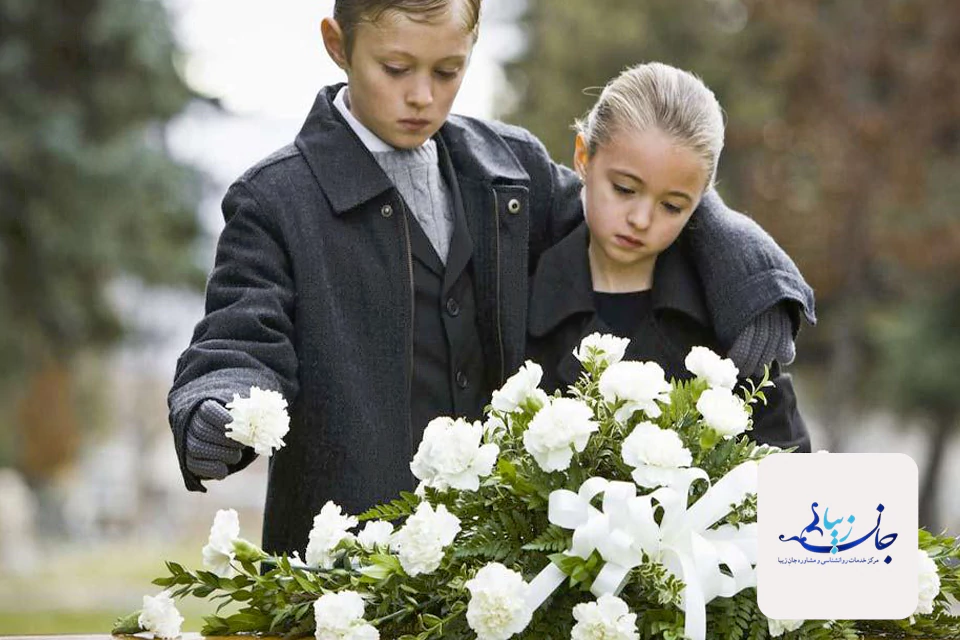 Coping with the grief of losing a mother and father
Psychotherapy in the treatment of depression of loss
Symptoms and symptoms of depression after the death of loved ones
Deep and persistent sadness
Loss of interest and motivation
Sleep and appetite disturbances
Feelings of worthlessness and guilt
Difficulty concentrating and making decisions
Negative thoughts and suicidal thoughts

Practical solutions for managing guilt:
Logical analysis: Recognizing that many factors are beyond one's control.
Writing down thoughts and feelings: Writing down the guilt and reviewing it with a logical and Kindly.
Participating in charitable actions: Doing good deeds and charity in memory of a lost loved one can reduce the feeling of guilt.
Seeking a counselor or psychologist: A therapist can help a person identify and replace negative thoughts.
3. Reducing anxiety and worry
After the death of a loved one, anxiety and worry about the future, daily life and health of oneself or other family members is common. Anxiety can lead to insomnia, headaches, changes in appetite and severe mental stress.
Practical solutions to reduce anxiety:
Relaxation and mindfulness exercises: Meditation and mindfulness exercises focus on the present and reduce anxious thoughts.
Setting a daily schedule: Having a regular routine reduces A sense of lack of control helps.
Regular physical activities: Light exercise or walking reduces the level of stress hormones and increases relaxation.
Limit exposure to stressful stimuli: Reduce news or negative media content that exacerbates anxiety.
4. Social and family support
The presence of friends and family plays a key role in managing emotions after loss. Social support can reduce psychological stress and create a sense of belonging and security.
Practical ways to benefit from social support:
Participating in local or online support groups
Talking with close friends about your feelings
Accepting help from others with daily tasks and life responsibilities
Maintaining contact with loved ones and immediate family even from By phone call or message
5. Using psychological tools and expert advice
Sometimes the feelings after a loss are very strong and there is a need for professional help. Individual counseling, cognitive-behavioral therapy (CBT), and grief psychotherapy can help people:
manage feelings of anger and guilt constructively
reduce anxiety and worry related to loss
learn healthy coping strategies for depression
manage difficult emotions after the death of a loved one, including identifying anger, guilt, and anxiety, and using It is one of practical and scientific solutions. Restoring mental health, social support, and expert counseling make the grieving process healthier and shorter and help reduce depression after the death of loved ones. Rebuilding hope and creating new goals after loss After the death of loved ones, many people feel that life has stopped and lacks the motivation to continue. This stage is a natural part of the grieving process, but restoring hope and perspective is essential for mental health. Creating new goals, focusing on personal growth and rebuilding a sense of meaning in life, helps a person to deal with depression after the death of loved ones and continue his path towards a satisfying life.
1. Accepting the reality and beginning to rebuild
The first step in rebuilding hope is accepting the reality of loss. Denial or resistance to reality prolongs mourning and worsens depression. Acceptance means coming to terms with the truth and starting the path to recovery.
Practical solutions to accept reality:
Write down memories and feelings on a daily basis
Talk to friends or close family about the loss
Attend support and bereavement group meetings
Using positive psychology techniques
2. Setting small and realistic goals
After accepting reality, setting small and achievable goals restores a sense of control and hope. These goals can include daily tasks, improving social relationships, or personal activities.
Examples of small goals:
Take a daily walk or light exercise
Make a phone call to a close friend
Complete a small work or art project
Set aside a short time for a hobby or Study
Determining small goals, step by step, makes a person feel successful and increases the motivation to continue.
3. Focus on personal growth
Bereavement can be an opportunity for self-discovery and personal growth. Reviewing values, skills, and abilities helps a person to build a more meaningful life after a loss. Practical solutions for personal growth: Participating in training classes or skill workshops Practicing meditation and mindfulness Reading books on psychology and Self-help
Recording personal goals and progress in a diary
4. Rebuilding social relationships and emotional support
Losing a loved one also affects a person's social relationships. Rebuilding these relationships and creating a new support network is one of the important factors in reducing depression after the death of loved ones. Practical solutions to strengthen social relationships: Visiting close friends and family regularly. have had a similar experience of loss
These measures reduce the feeling of loneliness and create a sense of belonging, and paves the way to restore hope.
5. Creating meaning and memorializing a lost loved one
Memorializing a loved one and creating activities in his memory can help a person find meaning and value and go through the grieving process in a healthier way.
Practical solutions:
Write a letter or memory to the lost loved one
Create a charity project or volunteer activity called O
Holding a small family memorial ceremony
Using photos and memorabilia to preserve positive memories
These methods create a sense of connection and continue living despite the loss.
6. Expert advice to rebuild hope
Sometimes a person needs specialized help to rebuild hope and live again. Individual or group counseling, cognitive-behavioral therapy (CBT) and bereavement psychotherapy are effective tools for this stage.
Specialized counseling services include:
Evaluation of mental status and identification of depression symptoms
Providing exercises and techniques to deal with negative thoughts
Teaching practical solutions to create hope and new goals
Continuous support and follow-up Individual progress
The presence of a psychologist can make the process of rebuilding hope faster and more effective and help the person continue on his path towards a satisfying life.
Rebuilding hope and creating new goals after loss is one of the key stages of the grieving process. Setting small goals, focusing on personal growth, rebuilding social relationships, creating a memorial and receiving expert advice are considered to be the most important ways to reduce depression after the death of loved ones and create a meaningful and satisfying life.
Rebuilding life and finding meaning after loss
After going through the stages of mourning, accepting reality and rebuilding hope, the final stage is focusing on returning to everyday life, finding meaning and Satisfaction with life. This section helps the person to build a new life path with new coping skills and appropriate support and manage depression after the death of loved ones.
1. Returning to daily activities
The gradual return to daily activities is one of the most important steps in rebuilding life after a loss. Maintaining a daily schedule, carrying out personal affairs, work and social activities helps a person to regain a sense of control and psychological security. Practical solutions: Gradual return to work and daily activities Setting up a regular sleeping and eating schedule Maintaining social interactions even at a limited level Planning Short-term and achievable activities
These actions make a person feel that life is still going on and that he is able to manage challenges.
2. Maintaining a healthy connection with a lost loved one
Maintaining the memory and connection with a lost loved one is an important part of the healing process. This communication can be in the form of a memorial, doing charity work in his name or even talking about positive memories.
Suggested methods:
Creating a diary or photo letter
Holding an annual memorial service
Participating in voluntary activities in his memory
Expressing memories and feelings with friends and Family
Practicing coping techniques and positive psychologyUsing coping techniques, such as meditation, mindfulness, breathing techniques, and relaxation exercises, can help reduce stress and anxiety caused by loss. Focusing on the positive aspects of life, appreciating small moments and recognizing daily achievements, leads to rebuilding motivation and sense of hope.
Techniques and exercises:
Write three positive things every day
Do deep breathing and relaxation exercises
Practice mindfulness in daily activities
Practice positive self-talk and motivational
4. Creating a support network and receiving expert advice
Social support and professional advice is one of the pillars of reducing depression after the death of loved ones. Having a support network including friends, family or bereavement groups reduces feelings of loneliness and creates a sense of psychological security. Counseling services include: Individual or group counseling sessions for bereavement and grief management Teaching techniques to deal with negative thoughts and feelings of guilt Providing practical solutions to restore hope and Meaning
Long-term support to prevent relapse of depression
To get specialized help, you can visit the Jan Ziba Clinic home page and get an online or face-to-face consultation appointment.
5. Restoring the meaning and purpose of life
Finally, finding meaning in life and setting new goals helps a person to return to a satisfying life after experiencing loss. Creating personal, professional or social goals, and focusing on activities that create a sense of value and satisfaction, has a vital role in psychological rehabilitation.
Methods:
Determining realistic short-term and long-term goals
Focusing on personal growth, learning new skills and developing capabilities
Participating in social activities and Charity
Reminding progress and successes on a daily basis
Final summary
Coping with depression after the death of loved ones is a step-by-step and time-consuming process. Accepting reality, managing grief, rebuilding hope, setting new goals, maintaining social relationships and receiving expert counseling are the most important steps to return to a satisfying life.
People can go through the grieving process in a healthy way by using coping techniques, practicing mindfulness, and benefiting from the support of experts, and build a meaningful and meaningful life again. Online, you can visit home page of John Ziba Psychology Clinic.
Linked keywords:
When to seek help from a depression counselor?
When you feel sadness after losing loved ones or life problems It continues for a long time and has negatively affected your ability to carry out daily activities, sleep, appetite, social relationships and concentration. It is better to seek help from a counselor or psychologist. If you experience feelings of worthlessness, extreme hopelessness, extreme fatigue or even suicidal thoughts, these signs indicate the need for professional support and depression treatment. Also, if treating depression after the death of loved ones or any kind of mental stress alone is difficult for you, you can get help from the experts of Psychology Clinic in Tehran Jan Ziba. Our experts can help you learn appropriate coping strategies, manage your emotions, and speed up the recovery process. Your mental health is very important and getting timely support is the key to getting through this difficult time. Click on this post for points! [Total: 0 Average: 0] previous next stress I have a war, what should I do? Symptoms and coping methods The importance and manners of the first meetingnext
Leave a message Cancel Answer
مقالات دیگر از Dr. Mansoure Nikogovtar


SEO site management services
Search engine optimization (SEO) services help you to rank your website higher in the search results of Google and other search engines.

Implementation of branding and digital advertising
Digital branding means creating a strong and distinctive brand in the digital space for a company or a specific product. This process involves using digital methods and strategies to build and strengthen the brand.

Website design for companies and businesses
Website design for companies and businesses can help you have a stronger online presence and attract more customers. Contact us for more information.
