
The cause of failure in social relations + effective psychological solutions beautiful life

Why do some people fail in communication? Psychological solutions to improve social skills
- Mansoura Nikogovtar
- June 24, 1404
- No views
The content production team of John Ziba Psychology Clinicunder the supervision of
Have you ever felt in a crowd that you didn't know what to say? Or maybe you realized after a conversation that you didn't communicate effectively? You are not alone! Many people face serious challenges in creating successful social relationships. Healthy and effective social relationships are the foundation for a happy, professional and meaningful life. When we are unable to communicate effectively, not only do we miss out on career and career opportunities, but we may feel lonely and distrustful of others. The good news is that social skills are acquired. These skills can be improved by practicing, training and using the scientific solutions of psychology. Even people who have experienced years of failed relationships can correct their behavior and build positive and stable relationships by following the right principles. By carefully analyzing your behaviors and experiences, professional counselors provide practical and personalized solutions that enable you to strengthen your skills. From a psychological point of view, failure in social relationships has several reasons. Recognizing these reasons is the first step to improving social skills. Many people simply try to communicate without knowing the root cause of their problems, but they don't get the desired result. These unsuccessful experiences may decrease self-confidence and create fear of social interaction. Next, the most important psychological reasons for failure in social relationships are examined: 1. Fear of being judged (social anxiety) Social anxiety is one of the most common causes of failure in relationships. People who fear the judgment of others often remain silent in groups or avoid social interactions. This fear can be rooted in past experiences, fear of rejection or lack of self-confidence. For example, a person who was teased many times as a child may fear speaking in public as an adult, even if the topic of conversation is simple. Practical solution: Initiate short conversations with strangers in low-pressure settings, such as asking about the weather or a brief greeting Practice breathing and calming down before interacting. Social Low self-confidence makes a person avoid expressing his opinions and feelings and others consider him unattractive or unreliable. This deficiency is often caused by false comparisons with others or negative childhood experiences. For example, a person who always feels that their opinions are not worth hearing, may remain silent even in friendly or work situations and miss the opportunity to establish positive relationships. Practical solution: Practicing positive self-talk and reminding of small daily successes. Friendly Active listening means paying full attention to the other party's words, feelings and needs. People who lack this skill usually give inappropriate answers or steer the conversation to their own topics. This behavior causes misunderstanding and reduces the quality of communication. Practical solution: Retell the other party's content in your own language to ensure correct understanding. Giving With continuous practice, active listening becomes one of your most important communication skills and has a profound effect on the quality of relationships. Painful past experiences such as rejection, betrayal or humiliation can hinder healthy relationships. These experiences often create unhealthy defense mechanisms and reduce trust in others. Practical solution: Review false beliefs about relationships and learn to trust again Refer to child and adolescent counseling to address underlying emotional problems Practice relaxation and cognitive techniques to manage fears and Past anxieties These exercises help a person gradually heal emotional wounds and be present in new relationships with greater psychological security. Severe shyness can limit social and professional opportunities. People who are shy may avoid interacting with others in various situations, even if they rationally know that interaction is beneficial. Practical solution: Gradually practice being in small groups Start conversations with close acquaintances and then expand to strangers Record daily experiences and progress to increase motivation Knowing the causes of failure in relationships is the first step, but to make real change, practical and continuous exercises are necessary. Social skills, like any other ability, can be learned and strengthened with practice. In the following, we refer to scientific and practical methods to strengthen these skills: One of the best ways to reduce social anxiety is to start small conversations with strangers. Even a short interaction with a salesperson or a neighbor can gradually increase your confidence. Sample exercises: Question about the weather: “The weather is great today, what do you think?” Review about products: “Have you tried this brand before? What do you think?” Short description of daily experience: “Today my journey was a bit long, but it was really pleasant to see this sight.” Daily practice makes conversation skills gradually natural and comfortable. If a person faces difficulties in doing this exercise, attending communication skills counseling sessions can increase his confidence by providing simulated scenarios and controlled exercises. Psychological studies of social relations show that more than 60% of communication is transmitted through body language. Eye contact, body posture, hand movements, and even your distance from the other party can affect the effectiveness of the conversation. Exercises: smiling and making appropriate eye contact, maintaining an open and receptive body posture (avoid closed arms or bending over) coordination of hand movements with speech. Using the body language of the other party to better understand his feelings and needs These skills can significantly increase the quality of interactions. Couple Therapy and Family Therapy sessions usually devote a significant part of training to body language and non-verbal exercises. Group environments provide safe and controlled opportunities to practice social skills. Participating in workshops and group meetings helps people to: Practice speaking and active listening skills in a group Receive direct and constructive feedback Reduce social anxiety Sample activities: Role play situations Real Group games and team activities Guided discussions and interaction analysis These exercises help one to strengthen skills in a low-pressure environment and prepare for real life interactions. Sometimes communication problems are rooted in deeper issues and require specialized intervention. Psychological counseling can include the following: Identifying unhealthy communication patterns Providing personalized exercises to improve skills Helping rebuild trust in others and self-confidence For example, a person who has repeatedly failed in emotional relationships may need to identify and correct past unhealthy behavior patterns with the help of a psychologist. Counseling sessions can provide a safe space to process past experiences and practice new behaviors. Fear of others' judgment is one of the most common obstacles in creating successful social relationships. This fear can prevent a person from being in groups and interacting with others. Practical solutions: Practice gradually facing small social situations Using relaxation techniques and deep breathing before interaction Recording small progress and successes to increase self-confidence Gradual practice causes Fear can be reduced and social skills can be improved. Communication skills consultation sessions can pave the learning path by providing expert solutions and step-by-step planning. Active listening involves paying full attention to the other person's words, feelings, and needs. This skill strengthens the ability to communicate effectively and build trust. Exercises: Recount what the other person said in your own words Pay attention to tone of voice, facial expressions, and body language Practice appropriate and empathetic responses With continued practice, active listening becomes a skill that improves personal relationships and It improves the professional. Past experiences such as betrayal, rejection or humiliation can prevent healthy relationships. Treating these wounds requires awareness and practice. Solutions: Identifying false beliefs about relationships Learning to trust others again Participating in specialized counseling sessions to process experiences With these measures, a person can enter into new relationships with more confidence and avoid repeating negative patterns 8. Continuous practice and daily planning Social skills require regular practice. Establishing a daily schedule for conversation practice, attending groups, and non-verbal exercises can help strengthen skills. Sample weekly schedule: Two short interaction sessions with strangers One group meeting or skills training workshop Daily body language and eye contact practice Reviewing successes and Challenges in the notebook These exercises gradually increase self-confidence and reduce social anxiety and provide the basis for healthy and stable relationships. Successful social relationships require mental and physical health. Regular exercise, adequate sleep, healthy nutrition and stress management help increase energy and readiness for social interactions. Recommendations: Regular exercise such as walking or yoga Practicing meditation and calming the mind Proper planning for sleep and rest Managing stress using techniques Breathing and concentration With these measures, a person is not only physically more prepared, but also mentally more prepared for social interactions. Shyness Understanding why relationships fail is the first step to making a change, but it is not enough on its own. To improve social skills we need practical and conscious exercises. From the perspective of social relations psychology, communication skills, like any other ability, are enhanced with practice. In the following, we present four effective solutions that can create a significant change in the quality of your relationships. Although these solutions seem simple, their impact will be profound in the long run. For those who need more specialized guidance, communication skills counseling can smooth the way. Many people avoid talking to strangers due to fear of judgment or shyness. Meanwhile, starting simple conversations with strangers is considered one of the most effective ways to improve social skills. From the psychology of social relations, this practice gradually reduces social anxiety and increases self-confidence. You can start with simple topics like talking about the weather or asking for opinions on a product in the store. The key is to repeat this daily and in different situations. Over time, you will find that it becomes easier for you to communicate. If you encounter problems on this path, communication skills counseling can provide valuable guidance. According to the research of Psychology of Social Relations, more than 60% of our communication is transmitted through body language. The cause of relationship failure can be inappropriate non-verbal communication such as poor eye contact, defensiveness or restlessness. Improving this aspect can have a surprising effect on the quality of your relationships. To start, try to make good eye contact when you speak and keep your body posture open and receptive. Smiling at the right time and using hand gestures properly can also help to communicate more effectively. It is equally important to pay attention to the other party's body language. These skills are taught more specifically in Communication Skills Counseling. Structured group environments provide an ideal opportunity to improve social skills. Designed based on the principles of social relations psychology, these groups provide a safe space to practice and receive constructive feedback. Communication skills workshops typically include hands-on exercises such as role-playing, group games, and guided discussions. These methods help you test your skills in a controlled environment without fear of judgment. Sometimes relationship failures are rooted in deeper issues that cannot be easily resolved. In such cases, getting help from an expert in social relations psychology can be a solution. Communication Skills Counseling not only helps identify incorrect communication patterns, but also offers personalized solutions for each person. A professional psychologist can help you overcome communication barriers using techniques such as cognitive therapy or social skills training. Counseling sessions provide a safe space to review past experiences and learn new ways of interacting. This investment in yourself can have a lasting impact on the quality of your personal and professional relationships. Poor social skills can have profound effects on the quality of people's lives. While many communication problems can be resolved with practice and awareness, some conditions require specialized intervention. From the perspective of social relationship psychology, when communication problems begin to negatively affect various aspects of life, it is time to seek help from communication skills counseling. This decision is not only a sign of awareness, but it can change the course of your social life. In the following situations, it is better to see a psychologist or counselor: One of the clearest signs that you need professional help is complete avoidance of social interactions. This behavior, which is often rooted in social anxiety, can be known as the most important cause of failure in relationships. People who reach this stage even avoid everyday situations like shopping at a store or answering the phone. From the perspective of social relationship psychology, this avoidance creates a vicious cycle: the longer you stay away from society, the more your skills deteriorate and the harder it is to return to normal relationships. Communication Skills Counseling in such cases can help break this cycle by providing specialized techniques and step-by-step planning. Therapists can provide a safe space to start over. When communication problems begin to negatively impact work performance or personal relationships, it is a serious red flag. You may find that you are missing out on career opportunities or that important relationships in your life are suffering because of relationship failures. These signs indicate that self-help solutions are not enough to improve social skills and you need professional intervention. Psychology of social relations shows that if these problems are not treated, they can lead to low self-esteem, depression and isolation. A professional counselor can help you regain balance in your life by identifying unhealthy communication patterns and providing practical solutions. Communication skills consultation is considered not only a choice, but a necessity in such a situation. The workplace is one of the most important spaces where communication skills have a direct effect. The inability to establish effective relationships can lead to reduced job opportunities, job dissatisfaction, and even work conflicts. Solutions: Participating in group meetings and presenting your opinions with confidence Establishing short communication with colleagues and creating a support network Perspectives Using appropriate body language to make a positive impression Participating in skills training workshops and communication skills counseling sessions can help people learn more effective strategies for interacting with coworkers and managers. Family and friendship relationships require patience, respect and active listening. Sometimes people do not use the skills they have learned in public environments in their family and friends, and this causes misunderstanding and tension. Exercises: Allocate specific time for deep conversations with family members Practice active listening and reflect their feelings Use open and receptive body language Solution Conflicts with constructive dialogue instead of emotional reaction Couple therapy sessions and family therapy sessions can help transfer the skills learned in public environments to close and intimate relationships. Positive psychology helps people focus on their strengths and positive experiences and reduce social anxiety and fear of failure. Practical solutions: Daily note of successes and positive interactions Practice positive self-talk before entering social situations Appreciate others and express Positive feedback These methods increase motivation, self-confidence and improve the quality of relationships. Empathy and understanding the feelings of others are critical skills in deep relationships. Active listening alone is not enough; You must be able to identify the feelings and needs of others and give appropriate answers. Exercises: Recounting the feelings of the other party with your own language. Open questions to discover needs and feelings. Practicing empathetic and supportive responses. Dealing with complex and challenging social situations is an important part of developing social skills. These situations may include difficult discussions, constructive criticism, or dealing with problematic people. Methods: Simulating situations with the help of a counselor or colleague Practice responding to criticism calmly and professionally Using relaxation and deep breathing techniques With continuous practice, a person He can face difficult situations without fear and anxiety and maintain healthy relationships. According to the growth of digital communication, the ability to communicate effectively in social networks has also become important. Methods: Using appropriate and positive tone in messages and posts Practice writing empathetic and constructive messages Active interaction with friends and online colleagues in compliance with the principles of respect and Empathy Paying attention to online communication can also help to strengthen real social skills, since many social interactions today happen on a digital platform. To fully strengthen social skills, practice should be done in diverse and real environments. The combination of exercises in the workplace, family, friends and the public space makes the skills comprehensively and permanently formed. Example of a combined program: Two short interaction sessions with unknown people in the outside environment A workshop or group session Practice body language and active listening at home and family Recording successes and developments in the office Personal These exercises make social skills a natural part of daily behavior. Social skills can be improved through practice and experience, but in many cases, professional help is crucial. Communication skills counseling can: Identify incorrect communication patterns Provide a personalized exercise program Help a person rebuild self-confidence and self-esteem Helpful specialized services include: These resources help people learn social skills more quickly and efficiently. Poor social skills and relationship failures can be rooted in many factors, including: Fear of judgment. and social anxiety Lack of confidence and self-belief Lack of active listening skills Past negative experiences and emotional wounds Shyness and shyness The good news is that all these skills can be learned and strengthened. With daily practice, participation in workshops and skill training groups, and taking advantage of expert advice, the quality of personal, family and professional relationships can be significantly improved. To start changing and use specialized services, you can contact Jan Ziba Psychology Clinic: Address: Shariati, Hosseinieh Irshad Street, No. 49, Golnabi St., 3rd Floor, Unit 31No. Phone: 021-26701544 | 22895248-021Mobile: 09102036378 With these measures, you can build healthy and successful social relationships, increase your self-confidence and enjoy your personal and professional life more.What causes relationships to fail?
Psychological causes of failure in social relationships
4. Past negative experiences (relational wounds)
5. Shyness and shyness

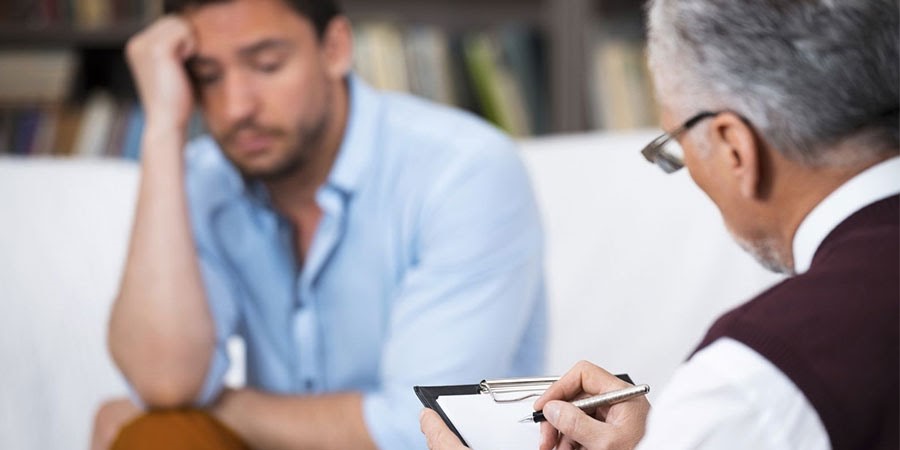 Communication Skills Counseling
Practical Solutions to Improve Social Skills
1. Practice daily conversations with new people
2. Strengthening body language and non-verbal communication
3. Participating in Social Groups and Skills Workshops
4. See a psychologist or specialist counselor
5. Managing fear of judgment and social anxiety
6. Improving active listening skills
7. Fixing negative past experiences
9. Taking care of mental and physical health
Practical Solutions to Improve Social Skills
Practice daily conversations with strangers
Strengthening body language and non-verbal communication
 Social Relations Counseling
Participating in social groups and workshops Skills Training
Refer to a psychologist
When should we seek psychological counseling?
Avoidance of all social situations
Negative impact on work and personal life
 Psychology of social relations
Part three: advanced exercises and expanding the use of skills Social
1. Practicing social skills in the workplace
2. Social skills in family and friends
3. Using Positive Psychology Techniques
4. Advanced listening and empathy skills
5. Practice dealing with difficult situations
6. Development of communication skills in social networks
7. Mixed practice in different environments
8. The role of professional advice and scientific resources
Summary and Conclusion
مقالات دیگر از Dr. Mansoure Nikogovtar


SEO site management services
Search engine optimization (SEO) services help you to rank your website higher in the search results of Google and other search engines.

Implementation of branding and digital advertising
Digital branding means creating a strong and distinctive brand in the digital space for a company or a specific product. This process involves using digital methods and strategies to build and strengthen the brand.

Website design for companies and businesses
Website design for companies and businesses can help you have a stronger online presence and attract more customers. Contact us for more information.
