
Epilepsy treatment - What is the best treatment method for epilepsy patients?

Epilepsy treatment - what is the best treatment method for epilepsy patients?
- September 15, 2025
- Author: Dr. Majid Kehanifard
- The article has been reviewed and approved by Dr. Majid Kehanifard
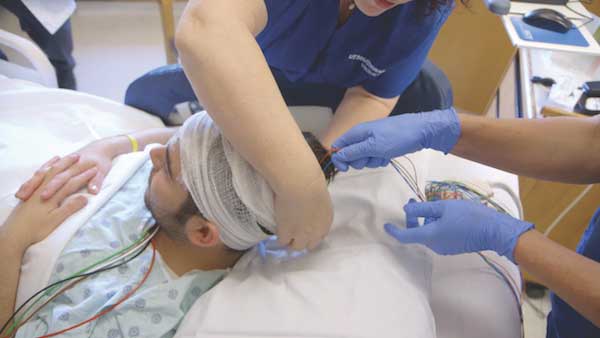
Epilepsy treatment is different for each person based on its severity and type. But most epilepsy patients are controlled and treated with medication. Other treatments such as surgery, diet, neurofeedback and vagal nerve stimulation (VNS) are also performed for patients. The choice of treatment method is different based on its type and severity. Here we have explained the treatment methods for you.
Epilepsy treatment methods
The most important methods of epilepsy treatment are:
Pharmaceutical treatment
The first method that the doctor uses to treat epilepsy is drugs. With the use of anti-epileptic drugs (AEDs), the electrical activity of the brain is controlled and an epileptic attack is prevented. Choosing the right drug depends on the type of epilepsy and the individual characteristics of the patient.
Carbamazepine: for focal seizures.
Phenytoin: for different types of seizures.
Sodium valproate: for general and focal types.
Lamotrigine: for different types of seizures.
Antiepileptic drugs (AEDs) are the first line of treatment to control seizures and They play a very important role in the management of this disease. These drugs help prevent seizures by regulating the brain's electrical activity. Common drugs for treating epilepsy include lamotrigine, valproate, and carbamazepine. The choice of drug depends on the type of epilepsy, patient's age and response to treatment. These drugs help reduce the severity and number of seizures and improve the patient's life in many cases.
To review epilepsy and seizure medications and to know how to take them and their side effects, refer to the article seizure medications.
I recommend reading:
Non-drug treatment
In addition to drug therapy, non-drug treatments are also effective in managing epilepsy. Brain surgery can be an effective option in cases where the source of epilepsy is known and can be removed. Other methods, such as the ketogenic diet, which helps control seizures by reducing carbohydrate consumption and increasing fat, are also effective in some patients, especially children. Also, neurofeedback is a method that helps regulate brain activities through visual and audio feedback. These therapies provide new disease management options to patients who do not respond to antiepileptic drugs.
1. Brain surgery;
If the source of epilepsy is known and the focus of the seizure is a specific area of the brain, surgery is an effective treatment option. Surgery is usually suggested when drug treatment does not have the expected results and the patient has refractory epilepsy. This method is performed if the patient has not responded to the medicine and the doctor can remove the part of the brain that causes seizures.
2. Vagus Nerve Stimulation (VNS);
This therapy helps regulate brain activity by sending electrical signals to the vagus nerve, which is one of the body's main nerves. Stimulation of the vagus nerve helps reduce seizures, especially in patients who do not respond to medication. This method is a non-invasive treatment and is usually considered as an option for patients for whom surgery is not possible. The method of performing this type of epilepsy treatment is that a small chip is placed under the skin of the neck. By sending electrical pulses to the brain, this chip controls the brain's abnormal activities and thus the disease is controlled. This method does not work quickly and it may take some time for the patient to see the results. It is also used to treat treatment-resistant depression.
3. Ketogenic diet;
This diet helps the body to use fat instead of glucose for energy by reducing the consumption of carbohydrates and increasing fats. The ketogenic diet is especially effective in children with drug-resistant epilepsy. This diet can help reduce epileptic attacks and in some cases even replace drug treatments.
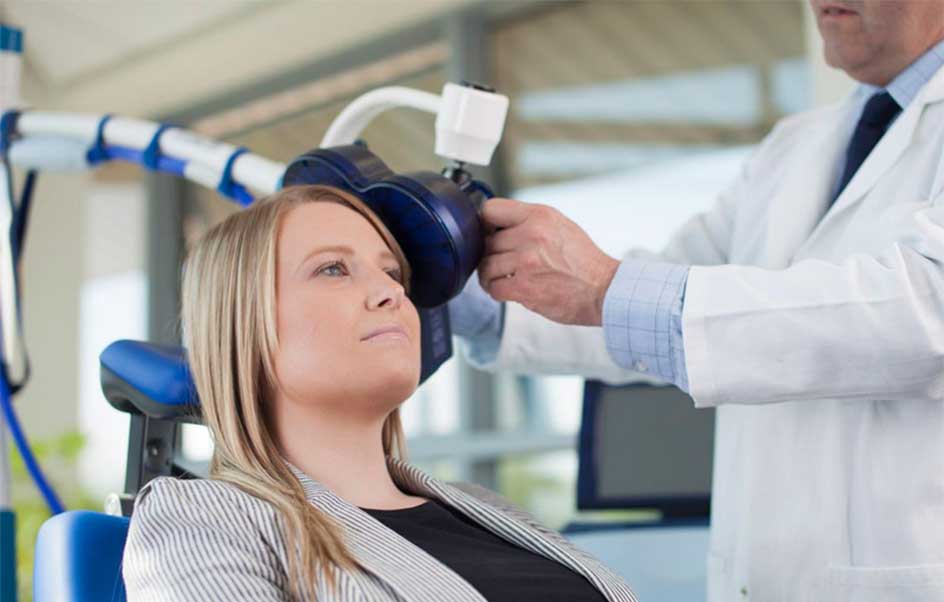
Role of diagnostic and therapeutic services of neurologists
Neurologists play a key role in epilepsy management. Diagnostic tools such as EEG, MRI, and CT Scan help to make an accurate diagnosis and determine the appropriate treatment plan. These diagnostic services not only identify the exact cause of seizures, but also help doctors plan individualized and effective treatments for each patient. Choosing the right treatment can prevent repeated seizures and improve the patient's life. neurospecialists by using these advanced tools, they have been able to make the treatment process more accurate and prevent possible complications of the disease.
Diagnosis of epilepsy:
Brain tape and rTMS are two key and complementary methods for diagnosis and treatment of epilepsy. EEG is used to detect abnormal brain activity and RTMS is used to regulate these activities. These services help patients to experience a better quality of life.
Encephalogram (EEG)
Encephalogram (EEG) is one of the key methods for diagnosing epilepsy, which by recording the electrical activities of the brain, helps to identify the type of epilepsy and the affected areas. This method can more accurately identify which part of the brain is causing the seizures. EEG is performed on an outpatient basis or at home, which facilitates the access of patients and enables continuous monitoring of brain status. This method is very important for early diagnosis and designing a personalized treatment plan.
Long-term brain tape (LTM)
In cases where the epilepsy patient is resistant to treatment and does not respond to various treatments, the doctor prescribes a long-term brain tape. With the help of this device, the patient is placed under controlled conditions for the period determined by the doctor (from one hour to 72 hours) and is admitted to a bed. The EEG machine is connected to the patient and the condition of a mild seizure is created for the patient so that the EEG of the patient is recorded exactly during the seizure and thus the type of epilepsy can be accurately diagnosed. It is investigated and treated with fully targeted drugs. This device is available in Dr. Kihani Fard's super specialty clinic. If you know someone in your family who has epilepsy and the drugs have not been able to control their epilepsy, please let them know. Because the number of this device in the country is very small and the patient must be hospitalized. Is epilepsy hereditary?
Preventive tips and lifestyle recommendations
A healthy lifestyle plays an important role in epilepsy management and can prevent seizures. Stress management with exercises such as yoga and meditation can help reduce attacks. Adequate sleep is also of particular importance, as lack of sleep is one of the main triggers of seizures. Proper nutrition and the use of a balanced diet also help to maintain brain health. In addition, it is important to avoid alcohol and stimulants that can trigger seizures. By following these recommendations, the patient can help better control the disease and improve his quality of life.
I suggest you read:
Are neurological diseases preventable?
How can stress control the brain?
Conclusion
Epilepsy treatment requires a combination of accurate diagnosis, pharmacological and non-pharmacological treatments, and maintaining a healthy lifestyle. Epilepsy can be effectively managed through consultation with a neurologist and the use of advanced diagnostic tools such as neuromuscular testing, electroencephalography (EEG) and brain MRI. Also, a CT scan of the brain helps identify brain damage and structural problems in the brain that may affect epilepsy. In cases where epilepsy is associated with other neurological disorders such as Alzheimer's, Parkinson or stroke, more careful management of the disease is necessary to improve the patient's quality of life. Considering the complexities associated with these diseases, correct diagnosis and appropriate treatment can play an effective role in improving the patient's condition. Thank you for staying with us until the end of this article.
Categories:
 Dr. Majid Kihani Fard
Dr. Majid Kihanifard was born in 1352 in Isfahan. He completed his general medical education at Isfahan University and specialized neurology course at Shahid Chamran University of Ahvaz and completed his knowledge and skills by completing a subspecialty fellowship in cerebrovascular surgery in Switzerland. He has always been a pioneer in providing new treatments and effective research, especially in the field of MS and stroke prevention, by emphasizing on increasing the health level of the society, informing the patients and respecting the patient. Dr. Kihanifared has been awarded the title of "Best neurologist in Isfahan" by the provincial medical system organization and has played an effective role in improving patient care services with applied research and advanced surgeries. Related Articles
Dr. Majid Kihani Fard
Dr. Majid Kihanifard was born in 1352 in Isfahan. He completed his general medical education at Isfahan University and specialized neurology course at Shahid Chamran University of Ahvaz and completed his knowledge and skills by completing a subspecialty fellowship in cerebrovascular surgery in Switzerland. He has always been a pioneer in providing new treatments and effective research, especially in the field of MS and stroke prevention, by emphasizing on increasing the health level of the society, informing the patients and respecting the patient. Dr. Kihanifared has been awarded the title of "Best neurologist in Isfahan" by the provincial medical system organization and has played an effective role in improving patient care services with applied research and advanced surgeries. Related Articles July 28, 2025

Author: Dr. Majid Kihanifard
Sinus headaches: why they happen and how to get relief?
July 15, 2025
Author: Dr. Majid Kehanifard
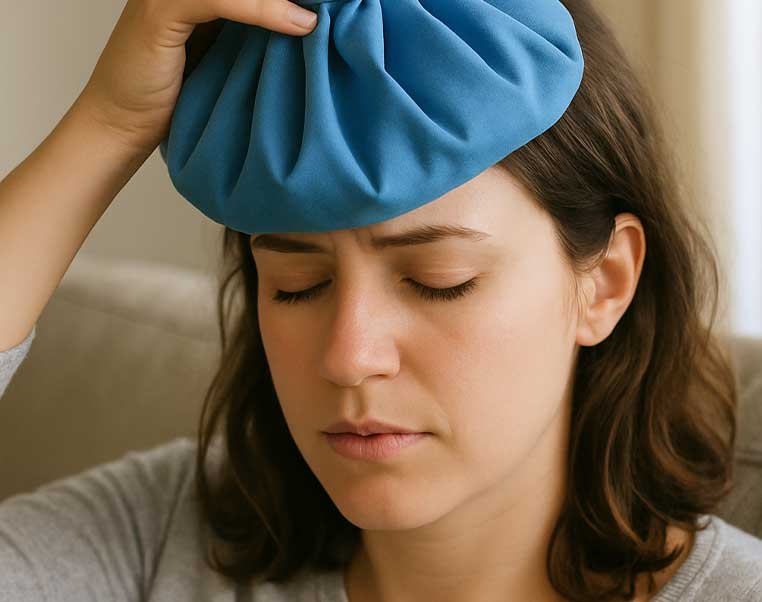
treating headaches with cold compresses- fast headache treatment
July 14, 2025
Author: Dr. Majid Kehanifard
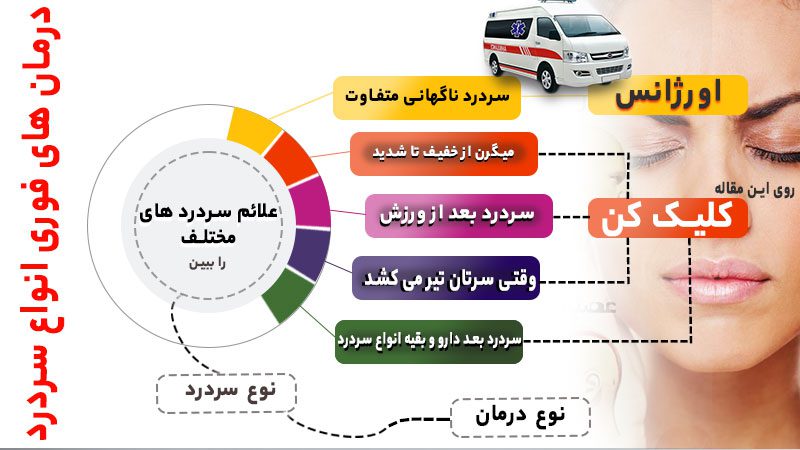
Severe Headache Quick Cure at Home in Less Than 10 Minutes
May 25, 2025

Author: Dr. Majid Kehanifard
side effects of antidepressants
May 14, 2025

Author: Dr. Majid Kehanifard
Symptoms of generalized anxiety disorder in adults
May 12, 2025.
Author: Dr. Majid Kehanifard
May 11, 2025

Author: Dr. Majid Kehanifard
How can I deal with social anxiety?
May 11, 2025

Author: Dr. Majid Kehanifard
May 11 2025. src="https://drmkeyhanifard.com/wp-content/uploads/2025/03/dr-kehanifard.webp">
Author: Dr. Majid Kehanifard
April 19, 2025. Fred
Plasmapheresis: Treating Autoimmune Diseases to Cancer with Plasmapheresis
April 9, 2025

Author: Dr. Majid Kehanifard
What are the warning signs of neurological diseases?
April 7, 2025
Author: Dr. Majid Kehanifard
Drug Library
Find all neurology drugs here
Write your review Cancel reply
مقالات دیگر از Dr. Majid Kihani Fard


SEO site management services
Search engine optimization (SEO) services help you to rank your website higher in the search results of Google and other search engines.

Implementation of branding and digital advertising
Digital branding means creating a strong and distinctive brand in the digital space for a company or a specific product. This process involves using digital methods and strategies to build and strengthen the brand.

Website design for companies and businesses
Website design for companies and businesses can help you have a stronger online presence and attract more customers. Contact us for more information.
