
Varicose vein treatment methods - Dr. Seyed Alireza Najafi

Types of varicose vein treatment methods
Varicose veins are swollen and twisted veins that are often seen in the legs. These veins are created due to failure of venous valves and accumulation of blood in the veins. Fortunately, there are various treatment methods for treating varicose veins, which are chosen depending on the severity of the disease and the individual conditions of each patient.
Easy accessShare content
Instagram Facebook X-twitter TelegramNon-surgical treatment methods
- Varicose veins socks: By applying pressure to the legs, these socks help to improve blood circulation and reduce swelling.
- Sclerotherapy: In this method, a chemical substance is injected into the varicose veins, which causes them to close.
- Laser therapy: By using laser, varicose veins are destroyed.
- Radiofrequency: In this method, radio waves are used to close varicose veins.
- Gluing the vein (Closure): In this method, varicose veins are closed using a special glue.
Surgical methods
- Removal of varicose veins: In this method, varicose veins are surgically removed.
- Closure of larger vessels: In cases where the main vessels have problems, it may be necessary to close them.
Choosing the right treatment method
Choosing the right treatment method for varicose veins depends on various factors, including:
- Severity of the disease: For mild varicose veins, non-surgical methods may be sufficient, but for severe varicose veins, surgery may be required.
- The location of varicose veins: The location of varicose veins is also effective in choosing the treatment method.
- Age and general health of the patient: The general condition of the patient and the presence of concomitant diseases are also effective in choosing the treatment method.
Advantages and disadvantages of each method
Each method of treating varicose veins has its own advantages and disadvantages. For example, non-surgical methods are usually less invasive and have a shorter recovery period, but may not be suitable for treating larger varicose veins. On the other hand, surgical methods may be more effective for treating severe varicose veins, but have a longer recovery period and may have more side effects.
Important note: Before choosing any treatment method, be sure to consult a specialist doctor to choose the best treatment method for you.
Effective factors in recovery after treatment
- Following the doctor's recommendations: After the treatment, you must fully follow the doctor's recommendations so that the treatment results are better.
- Healthy nutrition: Healthy nutrition and weight loss help to improve blood circulation.
- Regular exercise: Light sports such as walking and swimming help improve blood circulation.
- Avoid standing for a long time: Standing for a long time increases the pressure in the legs and aggravates varicose veins.
- Wearing varicose stockings: Even after treatment, wearing varicose stockings can help prevent the recurrence of varicose veins.
The treatment of varicose veins is different depending on the severity of the disease and the individual conditions of each patient. There are various treatment methods including non-surgical and surgical methods. To choose the best treatment method, be sure to consult a specialist doctor.
Causes, symptoms, complications and prevention of varicose veins
Varicose veins are swollen and twisted veins that are often seen in the legs and give them an unpleasant appearance. These veins are caused by the failure of the venous valves and the accumulation of blood in the veins.
Causes of varicose veins
- Genetics: Hereditary factors play an important role in causing varicose veins. If your family members have varicose veins, the possibility of yours also increases.
- Age: With age, the veins become weaker and the possibility of varicose veins increases.
- Gender: Women are more prone to varicose veins than men, especially during pregnancy.
- Standing or sitting for a long time: This position increases the pressure in the leg veins and blood accumulates in them.
- Obesity and overweight: Excess weight increases the pressure on the leg veins.
- Pregnancy: Hormonal changes and increased pressure on veins during pregnancy increase the possibility of varicose veins.
- Deep vein thrombosis (DVT): Blood clots in the deep veins of the leg can lead to varicose veins.
- Damage to the veins: Damage to the veins due to trauma or surgery can cause varicose veins.
Symptoms of varicose veins
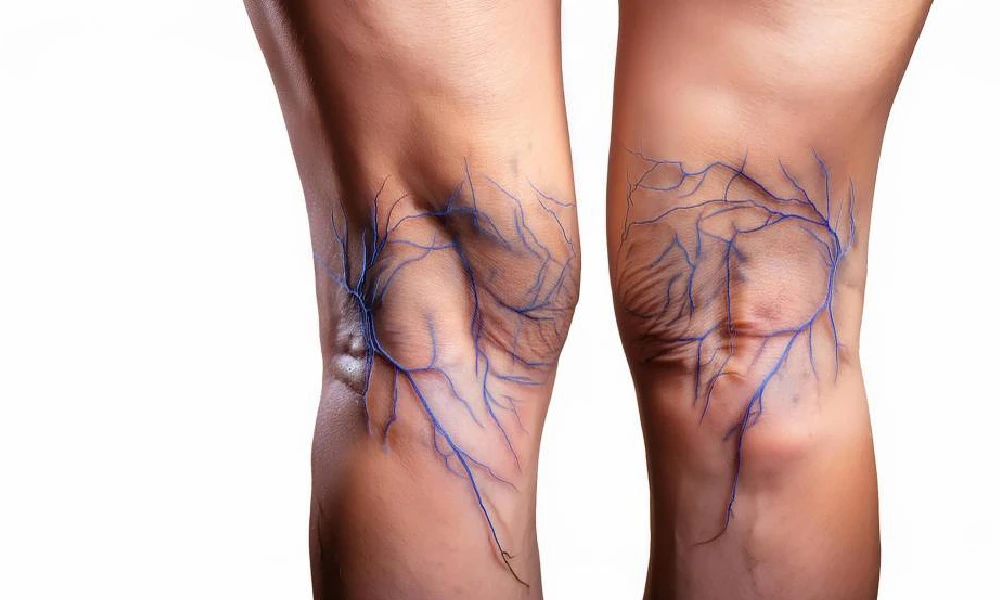
- Swollen and tortuous veins: These bumps are usually blue or purple in color and are seen in the legs, especially the lower legs.
- Heaviness and pain in the legs: Feeling of pain, fatigue and heaviness in the legs, especially after standing or sitting for a long time.
- Swelling of ankles and legs: Fluid accumulation in the legs can cause swelling.
- Itching and skin discoloration: The skin around varicose veins may become itchy and discolored.
- Skin ulcers: In severe cases, varicose veins can cause ulcers around the ankles.
Complications of varicose veins
- Blood clots: The formation of blood clots in varicose veins can be dangerous and result in complications such as vein inflammation and pulmonary embolism.
- Skin wounds: Skin wounds around the ankle may be difficult to heal and may become infected.
- Deep vein thrombosis (DVT): Blood clots in the deep veins of the leg.
- Pulmonary embolism: Movement of a blood clot from the leg to the lungs.
Methods to prevent varicose veins
Varicose veins are swollen and twisted veins that are often seen in the legs. Although genetic factors and some medical conditions can increase the risk of varicose veins, but by adopting some healthy habits, the occurrence and development of this problem can be prevented.
Methods to prevent varicose veins
- Regular exercise: Regular physical activity, especially sports that involve leg muscles, helps to improve blood circulation and prevent blood accumulation in the veins. Walking, swimming, cycling and other aerobic sports are suitable options.
- Weight control: Extra weight puts a lot of pressure on the leg veins. Losing weight helps reduce this pressure and prevents varicose veins.
- Avoid standing or sitting for a long time: Standing or sitting for a long time without movement causes blood to accumulate in the legs. It is better to change your position every half hour and walk a little.
- Keeping the legs up: When resting, keep your legs above the level of the heart. This work reduces the pressure in the leg veins and improves blood circulation.
- Wearing Varicose Vein Socks: Varicose Vein Socks help improve blood circulation and prevent blood pooling in the veins by putting pressure on the legs.
- Healthy nutrition: Consuming fruits, vegetables, whole grains and foods containing fiber helps to maintain healthy arteries.
- Quit smoking: Smoking damages the veins and increases the risk of varicose veins.
- Decreasing salt consumption: High salt consumption causes water retention in the body and can help varicose veins.
- Cold and hot shower: Showering with hot and cold water alternately can help improve blood circulation in the legs.
- Foot massage: Gentle foot massage helps improve blood circulation.
Important tips to prevent varicose veins
- Wear appropriate shoes: Avoid wearing high-heeled and tight shoes.
- Avoid tight clothes: Tight clothes cause pressure on the legs and reduce blood circulation.
- See a doctor if you are pregnant: Pregnant women are more susceptible to varicose veins. Consult your doctor about methods of prevention and treatment of varicose veins during pregnancy.
- See a doctor if you have symptoms: If you notice symptoms such as pain, swelling, itching, or skin discoloration in your feet, see a doctor.
Note: This information is for informational purposes only and should not be considered as a substitute for medical advice. To diagnose and treat varicose veins, you should always see a specialist doctor.
Edit Clone Comments read more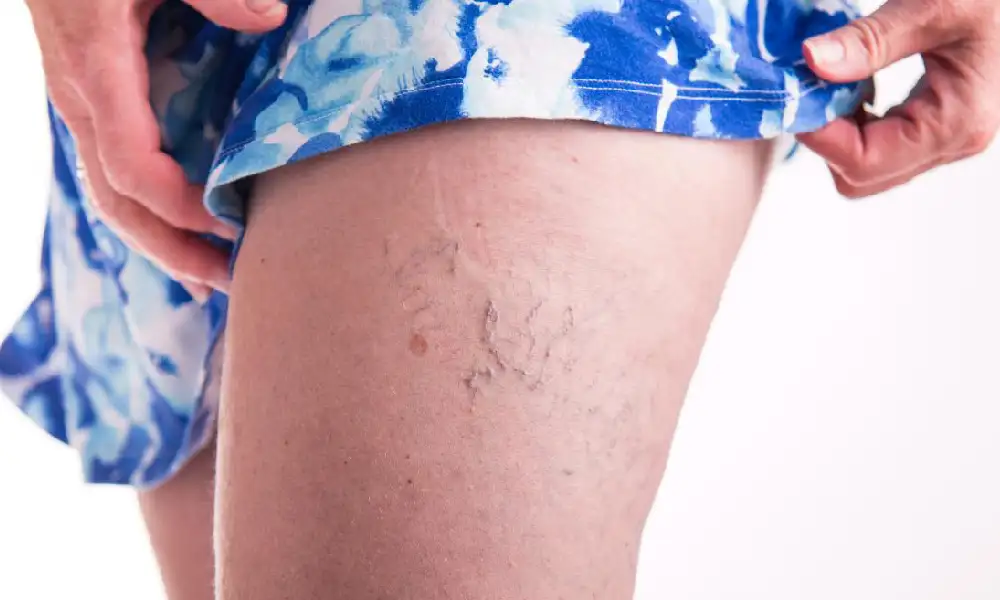 Why care about leg veins? Solutions to prevent vascular problems
02
April
Why care about leg veins? Solutions to prevent vascular problems
02
April
 10 effective ways to maintain heart health and prevent cardiovascular diseases
02
April
10 effective ways to maintain heart health and prevent cardiovascular diseases
02
April
 introduction of several home treatment methods for varicose veins
07
D
introduction of several home treatment methods for varicose veins
07
D
 Preparation before taking an ECG; Should we be fasting to take an ECG?
07
D
Preparation before taking an ECG; Should we be fasting to take an ECG?
07
D
 The least dangerous methods of treating coronary artery occlusion
07
D
The least dangerous methods of treating coronary artery occlusion
07
D
 3-day apple weight loss diet
07
D
Your comments
0
0
votes
Article Rating
Subscribe to
Login
0 Comments
the oldest
the most recent
The most votes
Feedback (Feedback) inline
View all comments
3-day apple weight loss diet
07
D
Your comments
0
0
votes
Article Rating
Subscribe to
Login
0 Comments
the oldest
the most recent
The most votes
Feedback (Feedback) inline
View all comments
مقالات دیگر از Dr. Seyed Alireza Najafi

Review of 7 ways to prevent high blood pressure - Dr. Seyed Alireza Najafi
Review of 7 ways to prevent high blood pressure High blood pressure means that your heart is pumping blood around the body more forcefully. This extra pressure can damage blood vessels an...

What is normal blood pressure? - Dr. Seyed Alireza Najafi
What is normal blood pressure? Blood pressure is the force with which the blood presses against the walls of the vessels. This force is like water being forced out of a hose. The higher t...

How are pulmonary function tests? - Dr. Seyed Alireza Najafi
What are pulmonary function tests? Pulmonary function tests are a series of tests that help doctors evaluate how well your lungs are working. These tests can help diagnose and track lung...

Care after angiography at home Dr. Seyed Alireza Najafi
Care after angiography at home Dos and don'ts Care after angiography at home is very important for the healing process to go well and to avoid possible complications. By following the ti...

Treatment of hand pain after angiography Dr. Seyed Alireza Najafi
Know the techniques for treating hand pain after angiography! Since today angiography is considered one of the most important and reliable methods in the field of diagnosis and treatment...

How is echocardiography performed? | Its cost, steps and complications
What is a cardiac echocardiogram? Transesophageal Echocardiography (TEE) is one of the advanced and accurate heart imaging methods that provides more comprehensive information than conven...

cause of chest pain; From heart diseases to lung and digestive problems
What is the cause of chest pain? Introduction of prevention and treatment methods The onset and duration of any disease in the body is associated with the development of symptoms and com...

treatment of varicose veins with laser; Say goodbye to varicose veins
Getting to know the methods of laser treatment of varicose veins Varicose veins, especially varicose veins of the legs, are among the most common diseases that, in addition to creating a...

7-day hydrotherapy regimen; Is it worth losing 3 to 4 kilos?
Seven-day hydrotherapy diet, the best fast weight loss diet The effect of any type of diet on a person depends on his physical condition, lifestyle and metabolic characteristics of his bo...

Fatty liver treatment diet; 3 of the best fatty liver diets
Is it possible to treat fatty liver with diet? Fatty liver treatment diet Today, fatty liver is one of the common diseases. One of the questions that most people with this disease have is...

How to take an ECG | The easiest way to diagnose heart diseases
How to take an ECG? Taking an electrocardiogram is a simple, painless and risk-free test that a doctor prescribes to check the electrical activity of the heart. The results of an electro...

Women's heart echo The importance of women's echo and its differences with men's heart echo
What is the difference between women's heart echo and men's echo? Nowadays, women may need an echocardiogram for several reasons, including congenital heart diseases, pregnancy complicati...

SEO site management services
Search engine optimization (SEO) services help you to rank your website higher in the search results of Google and other search engines.

Implementation of branding and digital advertising
Digital branding means creating a strong and distinctive brand in the digital space for a company or a specific product. This process involves using digital methods and strategies to build and strengthen the brand.

Website design for companies and businesses
Website design for companies and businesses can help you have a stronger online presence and attract more customers. Contact us for more information.
