
Hernia in women Causes and symptoms + methods of treating hernia in women

Hernia in women
10/30/1403

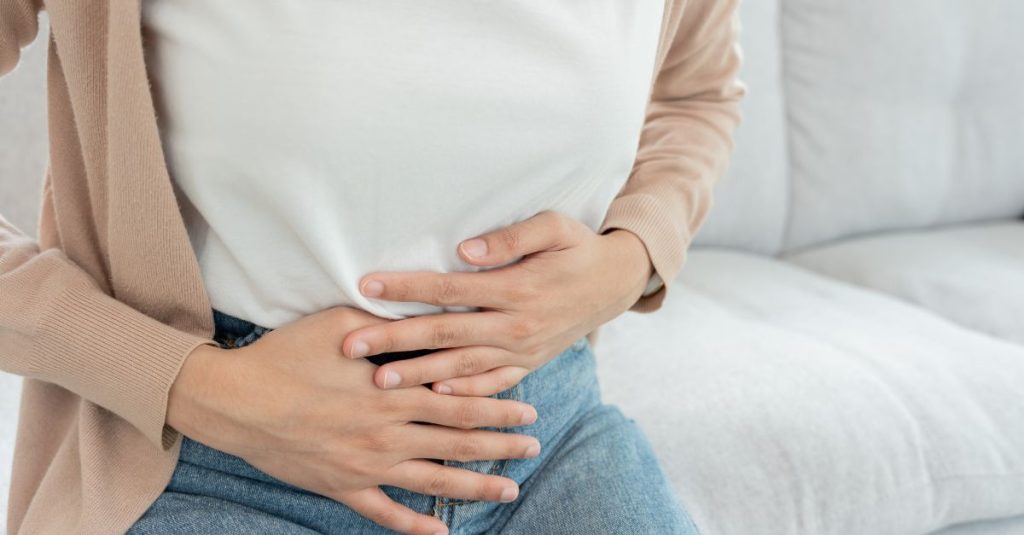
What are the main causes of hernia in women?
Hernia in women refers to the protrusion or displacement of an internal tissue or organ from its natural location, usually through weak points in the muscle wall or connective tissues. This problem occurs mostly in the abdomen and groin area.
Hernia symptoms in women include a visible bulge, pain or discomfort when doing strenuous activity, coughing or bending over. Among its common reasons, we can mention the inherent weakness of the muscles, excessive pressure caused by lifting heavy objects or obesity and previous surgeries.
Treatment usually involves surgery, but in mild cases, the doctor may recommend observation.
If you are looking for a way to improve the appearance or function of your genital area, find complete information about labiaplasty (with surgery or laser) on this page.
Do women also have hernias?
Yes, women can also develop a hernia, although the incidence is lower than that of men. The most common types of hernia in women include inguinal hernia, femoral hernia, and umbilical hernia.
Women may be more exposed to some types of hernias, especially umbilical and femoral hernias, due to the specific structure of the pelvis and changes related to pregnancy. The main symptoms include swelling, pain or discomfort in the hernia area, and if you see it, you should see a doctor.
To learn more about surgical methods to narrow the vaginal opening and improve its structure, refer to the perinorrhoea page (surgical narrowing of the vaginal opening).

Hernia symptoms in women
Hernia symptoms in women usually include the following:
Protrusion or swelling:
This bump is usually seen in the abdomen, groin or around the navel and becomes more prominent when standing or doing heavy activities.
Pain or discomfort:
It may be felt when lifting heavy objects, bending or coughing.
Feeling of pressure or heaviness:
In the affected area, especially after physical activities.
Digestive symptoms:
Such as nausea or vomiting, in cases where the hernia has blocked part of the intestine. If you see these symptoms, it is better to see a doctor for accurate diagnosis and proper treatment.
The cause of hernia in women
The cause of hernia in women usually leads to weakness in the wall of muscles or connective tissues and excessive pressure on them. Common reasons include:
Pregnancy:
The tension and pressure caused by the growth of the fetus can weaken the abdominal wall and increase the risk of hernia.
Lifting heavy objects:
In a situation that puts pressure on the abdominal muscles.
Chronic constipation:
Repeated pressure during defecation can cause hernia.
Obesity:
Extra weight puts more pressure on the abdominal muscles.
Chronic cough or lung diseases:
which cause repeated pressure on the abdominal wall.
Previous abdominal surgeries:
Surgical incisions may create a weak area in the muscles that can lead to a hernia.
These factors may cause hernia independently or in combination. Prevention by strengthening the abdominal muscles, avoiding unnecessary pressure and timely treatment of underlying diseases may be helpful.
If you are looking for a method to increase the strength and tightness of the vaginal canal, complete information about vaginoplasty (surgical narrowing of the vaginal canal) is available to you.

Hernia diagnosis in women
Hernia diagnosis in women is usually done with a combination of clinical examination and imaging methods. The doctor first examines the patient's symptoms and examines the suspected hernia area.In cases where a hernia is visible, a bulge in an area such as the abdomen, groin, or navel is clearly identified. The following imaging methods may be used to confirm the diagnosis or to make a more detailed evaluation:
1. Ultrasound:
To observe the internal tissues and determine the exact location of the hernia.
2. CT scan:
In complicated cases or when the hernia is not well defined.
3. MRI:
To check more details in specific cases.
Hernia treatment in women
In the following, we will examine the types of common methods of hernia treatment in women.
Non-surgical treatment (conservative)
Non-surgical or conservative treatment for hernias in women who have mild symptoms or whose physical condition precludes surgery includes lifestyle changes and reducing pressure on the affected area.
Using a belly band or brace can be effective in supporting the weak area and prevent the hernia from progressing. Also, modification of daily habits such as avoiding heavy lifting, treating constipation, and losing weight play a role in symptom management. However, this method is only a temporary solution and is not suitable for permanent treatment.
To learn more about non-invasive methods to improve the appearance and function of the vagina, see the Laser Vaginal Rejuvenation and Tightening page.
Surgical treatment
Surgery is known as the main and definitive method for the treatment of hernia in women, and it will be performed in two ways: open surgery and laparoscopy. In open surgery, an incision is made at the hernia site and the protruding tissue is returned to its place, and the weak area is strengthened using sutures or medical mesh.
In the laparoscopic method, small instruments and minimal incisions are used, which has less pain and less recovery time. This method is suitable for women who have a smaller hernia or who need a faster return to daily activities.
urgent surgery time
In acute conditions, such as hernia entrapment or intestinal obstruction, immediate surgery is necessary. In this situation, the blood flow to the tissues may be cut off and cause serious damage.
These types of hernias are accompanied by severe pain, discoloration of the bulge or digestive symptoms and require immediate medical intervention. Ignoring these conditions can lead to dangerous and even life-threatening complications.
If you suffer from vaginal dryness or atrophy, modern treatment methods such as vaginal atrophy and dryness treatment with laser can help you. Read more details here.
Convalescence period after hernia surgery
The recovery period after hernia treatment requires paying attention to the doctor's orders and proper care. The patient should refrain from heavy activities and start abdominal muscle strengthening exercises only after complete recovery.
Adhering to a healthy lifestyle, including maintaining a healthy weight, consuming enough fiber to prevent constipation, and avoiding unnecessary pressure on the abdomen, can prevent hernia recurrence and maintain treatment results.

Treatment of hernia rupture in women
As we said, hernia rupture in women is an emergency situation that requires immediate treatment. In this case, a part of the organ or tissue that protrudes from its natural place is under severe pressure and the blood flow to it may be cut off, which leads to tissue damage or even necrosis.
Treatment of this condition is usually done through surgery. In surgery, the damaged tissue or organ is returned to its place and the weak wall is strengthened. Depending on the severity of the injury, medical mesh may be used to reconstruct the area.
It is important to pay attention to dangerous symptoms such as sudden and severe pain, discoloration of the bump, or digestive problems, because delaying treatment can cause serious complications.
If you are looking for a gynecologist in North Tehran, you can find complete information about the services and specialties of gynecologists in North Tehran on this page.
home treatment of hernia in women
Hernia home treatment in women means managing the symptoms and preventing the exacerbation of the hernia, but it should be noted that this method of treatment is not definitive and is used only in mild cases or as a supplement to reduce discomfort.
Using a belly band or brace can prevent more pressure by providing support in the weak area of the abdominal wall and help reduce pain or discomfort. Besides that, changing the lifestyle is very important.
Avoid lifting heavy objects or doing activities that put pressure on the abdominal area can reduce the risk of a hernia getting worse.
Modification of diet is also a part of home management. Consuming foods rich in fiber, such as fruits, vegetables, and whole grains, helps prevent constipation, which is one of the factors that aggravates the pressure on the hernia.
Drinking enough fluids and avoiding foods that cause bloating can also help. If you have a chronic cough or allergies, it is important to treat these problems; Because frequent coughing can increase the pressure on the hernia area.
Mild exercises to strengthen the abdominal muscles, such as yoga or specific exercises, can help strengthen the abdominal wall, but these exercises should be done carefully and under the supervision of a doctor to avoid further injury or strain.
However, if severe symptoms such as sudden pain, discoloration of the bump, or digestive problems occur, medical or surgical treatment is necessary immediately, as home remedies will only help control the symptoms and not cure the problem.
To receive specialized services in the field of women's health, more details about women's doctors in West Tehran are provided on this page.
Genital hernia in women
A genital hernia in women, often occurring as a femoral or inguinal hernia, occurs when a piece of internal tissue or organ, such as the intestine or fat, pushes through a weak muscle wall into the genital area.
This type of hernia is more common in women due to the wider structure of the pelvis. Symptoms include a lump or swelling near the genital area, pain or discomfort when walking or standing for long periods of time, and sometimes a feeling of heaviness in the area. Treatment usually requires surgery, and delay in treatment can lead to serious complications, so it is necessary to see a doctor.
If you intend to perform surgeries related to vaginal tightening, the services provided by a vaginal tightening doctor in Tehran can be a suitable option for you.
Ovarian hernia in women
Ovarian hernia in women is a rare type of hernia in which the ovary or part of it is displaced through a weak spot in the abdominal wall. This condition occurs mostly in children or young women and can appear as an inguinal hernia.
Symptoms include pain in the groin area, a visible bulge, and in some cases menstrual problems or chronic pelvic pain. If the hernia disrupts blood supply to the ovary, it may lead to serious complications and require immediate surgery. As a result, early diagnosis and appropriate treatment are necessary to prevent damage to the ovary.
To prevent HPV infections and protect against related diseases, see here the necessary information about the Gardasil vaccine for women in Tehran.

Inguinal hernia in women
Inguinal or inguinal hernia in women occurs when part of the intestine or fat tissue pushes outward through the inguinal canal. This type of hernia is less common in women than men, but there is a possibility of it due to the body structure and conditions such as pregnancy.
Symptoms include a lump in the groin area, pain or discomfort during physical activity, coughing or lifting heavy objects. Treatment usually requires surgery, because if neglected, the hernia may get stuck or cut off the blood supply and cause serious complications.
If you are looking for advice and treatment of genital warts, you can read more information about genital warts doctor in Tehran on this page.
Symptoms of umbilical hernia in pregnant women
Symptoms of umbilical hernia in pregnant women include the following:
1. Bump or swelling in the navel area:
This bump is usually more noticeable when standing or straining (such as coughing or sneezing) and may be painful.
2. Pain or discomfort in the navel area:
This pain may intensify with the progress of pregnancy and increased pressure on the abdominal muscles.
3. A feeling of heaviness or pressure:
Especially around the navel, which is caused by the pressure of the uterus and the weight of the fetus.
4. Stretching feeling in the skin or muscles around the navel:
Which may be caused by increasing the volume of the abdomen.
If the umbilical hernia is accompanied by severe symptoms, such as sudden and severe pain or discoloration in the area of the protrusion, it is necessary to see a doctor immediately, because it may lead to complications such as blockage or entrapment of the hernia.
To learn about non-surgical methods to improve the health and rejuvenation of the vagina, read the page of Dr. RF Vaginal in Tehran.
Overall summary
Generally, hernia in women refers to displacement or protrusion of an organ or internal tissue from its natural location, which usually occurs due to weakness in the muscle wall or excessive pressure on them.
For consultation and treatment of genital warts in West Tehran, find complete information about the services of a genital wart doctor in West Tehran here.
This problem may appear in different areas of the body, including the abdomen, navel, groin or even the ovary area. Common symptoms include a visible bump, pain or discomfort, a feeling of heaviness or pressure, and in some cases gastrointestinal symptoms. Factors such as pregnancy, heavy lifting, obesity, chronic constipation, and previous surgeries can increase the risk of hernia.
Hernia treatment methods depend on its type and severity. In mild cases, home management including using a brace, avoiding strenuous activity, modifying the diet to prevent constipation, and strengthening the abdominal muscles can help reduce symptoms and prevent progression. But in many cases, surgery is the only definitive solution. Surgery may be performed by open or laparoscopic method, each of which is chosen depending on the patient's condition. In emergency cases such as hernia rupture or entrapment, immediate medical treatment is necessary.When should we finally see a doctor?
It is very important to consult a doctor in situations such as sudden and severe pain, discoloration or extreme sensitivity of the bump, persistent nausea and vomiting, or any other unusual symptoms. Ignoring these symptoms can lead to serious complications such as intestinal obstruction or damage to internal tissues. Therefore, any unusual symptoms or disease progression should be discussed with a doctor immediately.
1/5 - (1 point)Tags:
BlogShare:
Care after vaginal RF
07/23/1404

blog Women's beauties Services Stay updated by subscribing to our newsletter
Stay updated by subscribing to our newsletter
مقالات دیگر از Dr. Shiva Madani Hosseini

Endometriosis from diagnosis to treatment
What is endometriosis? Replacement of the tissue of the inner wall of the uterus in other areas of the body is called endometriosis. There are four theories about the cause of endometriosis: ۱- اندوم...

Hymen or hymen
### Hymen or hymen Hymen is a membrane that covers the opening of the vagina. This word is a Greek word and is derived from the name of the goddess of marriage. In the initial embryonic stage, there...

Injection of gel into the vagina
One of the most common methods of vaginal rejuvenation is **injection of gel into the vagina**, due to women's satisfaction with the result of the operation, the demand for doing it is increasing. Pre...

Pain and swelling after labiaplasty
All people who do labiaplasty experience pain and swelling in the operation area, and this is completely normal. The swelling and inflammation that occurs after labiaplasty and its severity can be lo...

Suitable people for labiaplasty
What is labiaplasty? Labiaplasty is performed to reduce the size of the labia and to improve the beauty and condition of the labia, but the question that arises is who are suitable for labiaplasty, th...

What are stretch marks or stretch marks?
stretch marks or stretch marks Stretch marks or striae are skin lesions that appear in the form of lines in the thighs, hips, abdomen and breasts due to thinning of the skin and indentation of the s...

Anatomy of the female reproductive system
Knowing the anatomy of the female reproductive system will help women to have a better understanding of the condition of their organs so that if they see a problem in that organ, they can take better...

What is premenstrual syndrome or PMS?
What is premenstrual syndrome or PMS? It is a group of physical and mental symptoms that occur periodically and close to menstruation in women. About 75% of women suffer from mild premenstrual syndrom...

Vaginal infection
Vaginal infection is one of the most common reasons for visiting a gynecologist, which is caused by the disruption of the microbial balance of the vagina. In this article, after introducing the types...

Urinary tract infection in women
Urinary tract infection is an infection that involves the urinary tract including: urethra, bladder and kidneys. They are parasitic, bacterial, fungal or viral infections. Urinary tract infections th...

Reason for delayed period
What is the reason for delayed period? In general, the main and common reasons for delayed periods are: - **Stress** - **weight fluctuations** - **Hormonal disorders** - **pregnancy** - **use of dru...

Gestational diabetes from diagnosis to treatment
Complications of gestational diabetes - Birth of a baby with high weight (macrosomia) - Abortion - stillbirth - Pregnancy toxicity (pre-eclampsia) Cause of gestational diabetes During pregnancy, ho...

SEO site management services
Search engine optimization (SEO) services help you to rank your website higher in the search results of Google and other search engines.

Implementation of branding and digital advertising
Digital branding means creating a strong and distinctive brand in the digital space for a company or a specific product. This process involves using digital methods and strategies to build and strengthen the brand.

Website design for companies and businesses
Website design for companies and businesses can help you have a stronger online presence and attract more customers. Contact us for more information.
