
What is latent depression and how is it treated?

- November 14, 2018
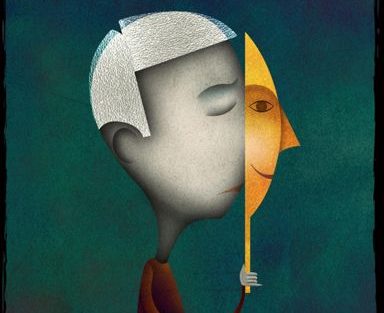
Hidden depression Hidden Depression refers to a type of depression in which a person tries his best to hide the symptoms of depression from those around him. In this situation, a person may hide the problem so much that he is not able to recognize it.
This is why hidden depression is sometimes called "smiling" depression. A person with latent depression may seem content, happy, and productive. Their working life and relationships seem quite good from the outside.Inwardly, in quiet spaces where others are not present, the symptoms of depression affect their thoughts, feelings, and physical health, and these symptoms do not go away.
It is important to be aware of the symptoms of depression and it is necessary to know the difference between ordinary depression and hidden depression:
Typical depressive symptoms versus atypical depressive symptoms
One of the reasons that latent depression can be difficult to diagnose is that these symptoms vary greatly from person to person. Common symptoms of depression include the following:
Sadness that lasts more than 2 weeks Frequent crying Severe drop in self-esteem Loss of interest in things that were once important to the person
But it is more difficult to recognize a number of other symptoms as depression, these symptoms include:
Physical pain or digestive problems that are not related to another disease Fatigue or lack of energy Changes in sleep patterns Weight gain, weight loss, or change in appetite Drug use Irritability, moodiness or hypersensitivity Feelings of hopelessness or worthlessness Attention, concentration, or memory problems Loss of interest in sex
One of the ways to determine whether a person is suffering from depression or not is how long these symptoms have existed in the person. In general, symptoms that do not disappear within 2 weeks are probably related to depression and it is necessary to consult a counselor.
Hidden depression symptoms
It is necessary to take care of any changes in the person's behavior and mood. When a person has depression, his behavior may be different than before.
One or two behavioral changes by themselves do not necessarily indicate that a person has hidden depression, but several behavioral changes occurring at the same time may be cause for concern.
When a person experiences symptoms of depression but does not talk about it, those around them may notice these types of changes:
1- Personality differences
A change in a person's personality may be a sign of hidden depression. For example, a person living with latent depression may become quieter, or more pessimistic about the future.2-significant weight loss or gain
Sudden changes in eating habits and lack of interest in eating or eating in response to emotional situations may be a sign of latent depression.
3- Change in sleeping habits
Going to bed later or sleeping more than usual, or staying awake at unusual hours, can all be signs of depression.
4- Becoming more serious
Usually, a person suffering from hidden depression will speak slower, deeper, darker or more philosophical than usual.
5- Differences in social interactions
Symptoms of depression may include constant participation in parties and social gatherings or, conversely, withdrawal from social activities. In this situation, the person makes frequent excuses for why they are not in contact with their friends and family, which can all be a sign of depression.
6- Change in productivity
Allocating too much time to work or seeing a decline in performance can both indicate depression. Abandoning hobbies or causes that were once important can also be warning signs.
A person with latent depression may give up on things that were once very important to them, or may avoid group participation in certain ways.
7-Negative self-talk
A person with latent depression jokingly says negative things to divert attention from their underlying pain. Risky behaviors may increase, especially in adolescents. This may be an attempt to cope with numbness or self-harm.
Who is vulnerable to hidden depression?
Anyone can hide symptoms of depression, especially if they feel they have something to lose about it. But some groups of people may hide depression more than others or be unaware that depression affects them.
Research shows that hidden depression is morein this category of people:
Older adults Children and teenagers men People with chronic diseases People recovering from traumatic experiences Marginalized or lower level
peopleWhy do some people hide their depression?
People often feel they have very good reasons for hiding their symptoms of depression. Perhaps they have experienced negative consequences from disclosing their depressive symptoms in the past. They may not be aware of the health risks that untreated depression can cause.
The list below shows some of the reasons why people hide their feelings.
- “It happened so gradually that I hardly noticed.”
- "I don't trust doctors."
- I fear the consequences of talking about a mental health problem and I don't know what will happen.
- At some point, mental health problems can lead to encounters with law enforcement that can be dangerous and scary. Distrust of systems can make people feel they have to hide their symptoms.
- "I don't want to be a burden."
- Sometimes people feel guilty when they seek treatment or ask for help. This may be especially true for teenagers and the elderly who do not want to worry their family and friends.
- “I am embarrassed to talk about this problem.”
People may misunderstand this condition because they think it is caused by a character flaw or weakness. This can prevent people from talking about their symptoms and seeking treatment.
- "I don't want to take medicine." Some people worry about taking antidepressants and other drugs because of the risk of side effects.
How to help someone with hidden depression?
Knowing how to help someone who seems to be struggling with depression can be difficult. Here are some options to consider:
You can ask questions that show you care about the topic and create an opportunity to talk. Listen to the person without judgment or advice. Avoid clichés and hype that may not be helpful. Suggest to walk together. Plan for low-pressure social activities, taking into account the interests of the other party.
What are the dangers of hiding depression?
Being careful about disclosing depression is a personal choice. Not all family members, friends or workplaces are safe and supportive, so protecting private health information may be a wise decision for some people depending on their situation.
But it is important to seek treatment if you are experiencing symptoms of depression, especially if the symptoms are affecting your health, education or work.
Untreated depression increases the risk of suicide. Researchers at the National Institute of Mental Health note that untreated depression can also increase the risk of developing the following conditions, including:
Cardiovascular disease diabetes stroke Osteoporosis Alzheimer's diseaseHow is depression treated?
Hidden depression is treatable. When affected people get help, the symptoms of this problem improve, although it may take some time for the effects to be noticeable. The most common and effective treatments for depression are drugs, psychotherapy or a combination of the two.
In cases where treatment and medication have not completely relieved severe symptoms, brain stimulation treatments may be an option.
It is also possible to improve some symptoms of depression with exercise, improved sleep and a diet that limits sugary and processed foods (such as the Mediterranean diet).
 previous post
8 parenting skills that contribute to highly effective parenting
previous post
8 parenting skills that contribute to highly effective parenting
 Next post
Use of TMS to improve Parkinson's symptoms
Next post
Use of TMS to improve Parkinson's symptoms
مقالات دیگر از Dr. Ahmed Akbari

The difference between a psychiatrist and a psychologist + the therapeutic duties of each
Make an appointment about neurotherapy services About Neurotherapy Make an appointment About TMS and TDCS TDCS appointment Take ### Neurotherapy Dr. Ahmed Akbari offers a seri...

Case study of treatment of learning disabilities at home
Learning disorder ### Treatment of learning disorder and its types Writing and inability to learn math and lessons that require solving problems.... First, we will explain each of these cases...

Treatment of depression and anxiety home sample treatment of depression and anxiety
Treatment of depression and anxiety ### What are psychotherapy and ways to treat depression?.... which is unconsciously the cause of depression... Methods to treat depression with t...

Parenting Skills Collection Parenting Skills House
Parenting skill ### A skill that is essential for everyone!.. Parenting**...

Neurofeedback home, Neurofeedback services
### What is neurofeedback? Brain scans provide a lot of information about how you feel, act, and learned habits, as well as about your stress level, initial mood, and overall brain function.. B...

Biofeedback Home of biofeedback services
### What is biofeedback? We have some body activities such as heart rate, breathing, body temperature, blood pressure, pain perception, brain waves, etc., which are involuntarily controlled. Th...

TMS Magnetic Brain Stimulation Home Services, TMS Magnetic Brain Stimulation
### What is TMS (magnetic brain stimulation) treatment? Magnetic Brain Stimulation or TMS is a non-invasive method of brain stimulation based on electromagnetic induction by an insulated coil. T...

TDCS Electrical Brain Stimulation HomeServicesTDCS Brain Stimulation Electrical Stimulation
### What is TDCS (electrical brain stimulation) therapy? For the first time about 100 years ago, the initial design of the electrical stimulation method of the brain was carried out... In fact,...

qEEG brain map qEEG brain map service home
### What is QEEG? A brain map or quantitative electroencephalography (QEEG) is a diagnostic tool that measures the amount of electrical activity in different parts of the brain using EEG process...

EEG encephalography home EEG encephalography services
### What is brain tape or brain tape? A neurologist may prescribe EEG due to suspicion of diseases such as migraine, seizures, epilepsy, brain infection or some other diseases (which we explaine...

rTMS magnetic brain stimulation home services, rTMS magnetic brain stimulation
What is the rTMS device?... In what conditions are they using the rTMS treatment method?. What are the advantages and disadvantages of RTMS treatment method? ==========================================...

Loretta's House, Loretta's Services
Getting to know Loretta's new neurofeedback treatment It requires its own software and is known as the cutting edge of neurofeedback science.. The brain can also be changed in the...

SEO site management services
Search engine optimization (SEO) services help you to rank your website higher in the search results of Google and other search engines.

Implementation of branding and digital advertising
Digital branding means creating a strong and distinctive brand in the digital space for a company or a specific product. This process involves using digital methods and strategies to build and strengthen the brand.

Website design for companies and businesses
Website design for companies and businesses can help you have a stronger online presence and attract more customers. Contact us for more information.
