
OCD disorder - psychological counseling

OCD disorder
Start age
The onset age of OCD disorder is usually in adolescence or young adulthood, but sometimes it also begins in childhood. Symptoms usually start over time and change with age. Usually, the type of obsessions and compulsions a person faces will change over time, or the symptoms will worsen when faced with more stress. OCD is usually thought to be lifelong, can have mild to moderate symptoms or become severe, time-consuming and debilitating.
When to see a doctor
Perfectionism (the need for flawless results or performance) is different from OCD. OCD thoughts are not simply excessive worry about real life issues or a desire to be clean or tidy in a certain way. If obsessions and compulsions affect your quality of life, you should see a doctor or mental health specialist for treatment.
Recognition
The following measures help to diagnose obsessive-compulsive disorder:
Talking about your thoughts, feelings, symptoms, and behavior patterns until you find out if you have obsessions or compulsions that interfere with your quality of life. It may be discussed with your family or friends with your permission.
Physical examination to rule out other issues that could be causing your symptoms and check for any related complications.
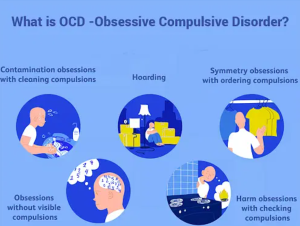
Diagnosis challenges
OCD is sometimes difficult to diagnose because symptoms can be similar to those of obsessive-compulsive personality disorder, anxiety disorders, depression, schizophrenia, or other mental health disorders. OCD may coexist with another mental health disorder. Work with your doctor to get the right diagnosis and treatment.Treatment
Sometimes, depending on the severity and duration, OCD may not be completely cured. But treatment helps control symptoms so they don't rule your daily life. Depending on how serious your OCD is, you may need long-term, ongoing, or more treatment. The two main treatments for OCD are psychotherapy and medication.
Psychotherapy
Cognitive behavioral therapy (CBT) is a type of psychotherapy that is effective for most people with OCD. Exposure and prevention of the ERP response, part of CBT treatment, involves exposure to a feared object or obsession, such as soil, and learning ways to inhibit the compulsive ritual through practice and effort. By managing obsessions and compulsions, the quality of life improves.Drug therapy
Some psychiatric medications help control the obsessions and compulsions of OCD. They usually start with antidepressants. Antidepressants approved by the Food and Drug Administration (FDA) for the treatment of OCD include:
Fluoxetine (Prozac) for adults and children 7 years and older.
Fluvoxamine (Levox) for adults and children 8 years and older.
Paroxetine (Paxil) for adults only.
Sertraline (Zoloft) for adults and children 6 years and older.
Clomipramine (Anafranil) for adults and children 10 years and older.
However, your doctor may prescribe other antidepressants and psychiatric medications.
When talking to your doctor about OCD medications, consider the following:
The goal is to effectively control symptoms with the lowest possible dose. You may sometimes need higher doses of medication to be more effective in controlling your symptoms. It is not unusual to try several medications before finding one that works well. Your doctor may recommend more than one medication to effectively manage symptoms. Symptoms may improve weeks to months after starting the drug.
Side effects. All psychiatric medications can have side effects. Talk to your doctor about possible side effects and any health monitoring needed when taking psychiatric medications. And let him know if you have any worrying side effects.
Danger of suicide. In general, most antidepressants are safe, but the FDA requires that all antidepressants carry a black box warning. These are the most severe warnings for prescriptions. In some cases, children, adolescents, and young adults under the age of 25 may have increased suicidal thoughts or behavior while taking antidepressants. This is especially true in the first few weeks after starting or when the dosage is changed. If suicidal thoughts occur, call your doctor right away or get emergency help. Remember that antidepressants reduce the risk of suicide by improving your mood in the long term.
Interactions with other drugs. When taking an antidepressant, tell your doctor about any other over-the-counter prescription drugs, herbs, or other supplements you take. Some antidepressants, when combined with certain medications or herbal supplements, can reduce the effectiveness of some other medications and cause dangerous reactions.
Discontinuing Antidepressants Antidepressants are not thought to be addictive, but sometimes physical dependence can develop. Stopping treatment suddenly or missing several doses can cause withdrawal-like symptoms. which is called disconnection syndrome. Do not stop taking the medicine without consulting your doctor, even if you feel better. You may have relapses of OCD symptoms. Work with your doctor to reduce the dose over time.
Talk to your doctor about the risks and benefits of using certain medications.
Other treatment
Sometimes, psychotherapy and medications cannot control OCD symptoms. In cases that do not respond to treatment, offer other options:
Intensive outpatient and home treatment programs. Comprehensive treatment programs that emphasize the principles of ERP therapy may help people with OCD who struggle with their ability to function because of the severity of their symptoms. These programs usually last a few weeks.
Deep brain stimulation (DBS) and transcranial magnetic stimulation (TMS)If you are considering DBS or TMS, talk to your doctor to make sure you understand all the pros and cons and potential health risks.
Advertisements
Our clinic will help you by providing treatment services to resolve concerns related to obsessive-compulsive disorder OCD.
Write your opinion Cancel reply
مقالات دیگر از Dr. Behnaz Kamali


SEO site management services
Search engine optimization (SEO) services help you to rank your website higher in the search results of Google and other search engines.

Implementation of branding and digital advertising
Digital branding means creating a strong and distinctive brand in the digital space for a company or a specific product. This process involves using digital methods and strategies to build and strengthen the brand.

Website design for companies and businesses
Website design for companies and businesses can help you have a stronger online presence and attract more customers. Contact us for more information.
