
Why do some people avoid intimacy? Familiarity with avoidant attachment style

Why do some people avoid intimacy? Familiarity with avoidant attachment style
Why do some people avoid intimacy? Familiarity with avoidant attachment styleWhy do some people avoid intimacy? Getting to know the avoidant attachment style
One of the patterns of behavior that is rooted in the early life is the avoidant attachment style. The way people choose to establish and manage their close relationships is usually a reflection of their early experiences with their parents in childhood. These patterns are formed unconsciously in the mind and can be repeated in different generations. Avoidant attachment style is characterized by a kind of emotional distancing and pretending to be independent. People who are in this pattern often try to communicate, but at the same time avoid emotional dependence and reliance on others. In this article, we go deeper into the features and implications We will discuss this style of behavior.
What is avoidant attachment style?
Avoidant attachment style is one of the types of insecure attachment patterns in which a person tends to avoid emotional closeness with others. These people are usually uncomfortable in close relationships, deny their emotional needs, and try to rely excessively on independence. They often learn to suppress their needs and rely on themselves instead of relying on others due to early experiences of inadequate parental emotional responsiveness. (Berman, Karen. Developmental psychology 2 psychology from adolescence to adulthood. Translated by Yahya Seyed Mohammadi. Tehran: Rovan Publishing House. Page 165.)

Behavioral signs of avoidant attachment from childhood to adulthood
Children in whom the avoidant attachment style is formed, usually appear to be in need of affection and attention. They reject intimacy and reject physical contact or expressions of affection from others, but inside, in the face of psychological pressure, they experience deep anxiety; Anxiety that remains hidden. These children may stay with their parents but do not establish a warm or emotional connection with them. Although their appearance is calm, a storm of repressed emotions flows inside them. In adulthood, this attachment style has consequences. People with an avoidant style usually have difficulty with intimacy in relationships. When the other person tries to deepen the relationship, they may feel suffocated and withdraw. They prefer to deal with challenges alone, they don't want to express their feelings and they avoid facing conflicts directly. These people often show an independent face and do not need others. While having outward self-confidence, they have a negative and pessimistic view of others. Their focus is more on personal desires than mutual interactions. Refraining from complaining, denying discomfort and avoiding uncomfortable conversations are other characteristic features of this attachment model.
Why does an avoidant attachment pattern form in a person?
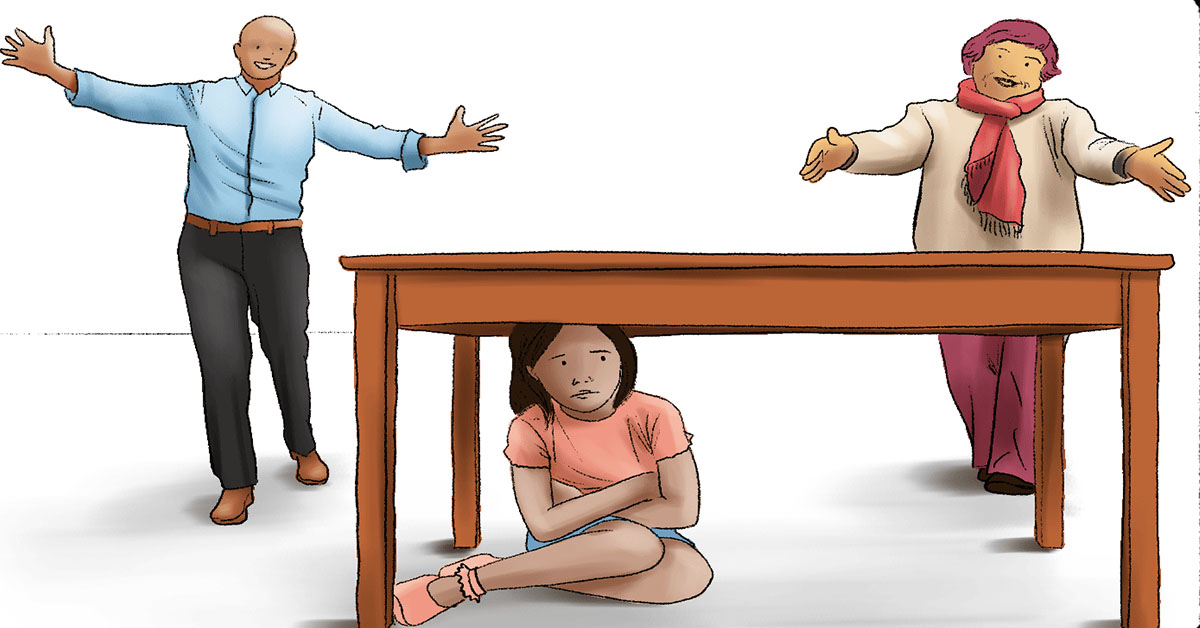
To understand why avoidant attachment is formed, one should first pay attention to the child's relationship with parents in the first years of life. Attachment styles are a reflection of our early experiences with those who were responsible for our care and support. When this relationship is disturbed, the ground is provided for the emergence of unhealthy patterns in future relationships. In the case of the avoidant style, one of the main reasons is the child's encounter with parents who ignore him or behave coldly and rejecting him. A child who has repeatedly tried to express his feelings or needs, but has been met with indifference or a negative reaction, gradually learns that expressing his needs has no results. As a result, he decides not to rely on others and to deal with problems on his own. Unmet emotional needs, repeated experiences of unlovedness or neglect, and feelings of helplessness at critical moments can all lead a child's mind to a powerful belief: "If I want to achieve anything, I just have to rely on myself." This belief later appears in emotional relationships and is seen in the form of emotional distancing, avoiding intimacy and trying to control emotions.
The effect of fear experience on the formation of avoidant attachment
For healthy emotional development, the child needs a safe and responsive relationship with his main caregivers. But when his feelings are ignored or repeatedly left unanswered, he is trapped in an atmosphere of insecurity and anxiety. Over time, the child's mind learns that expressing emotional needs is fruitless and attempts to receive comfort will only be met with inattention or blame. In such a situation, a kind of emotional distancing is formed in the child. Caregivers who are emotionally unavailable or unresponsive to the child's distress reinforce the pattern of avoidance in the child's mind. In this space, the child is forced to suppress his feelings and instead of turning to others for consolation, he learns to distance himself from his needs; A process that will be the basis for the formation of avoidant attachment in the future.
Harmful consequences in close relationships from the perspective of people with avoidant attachment style
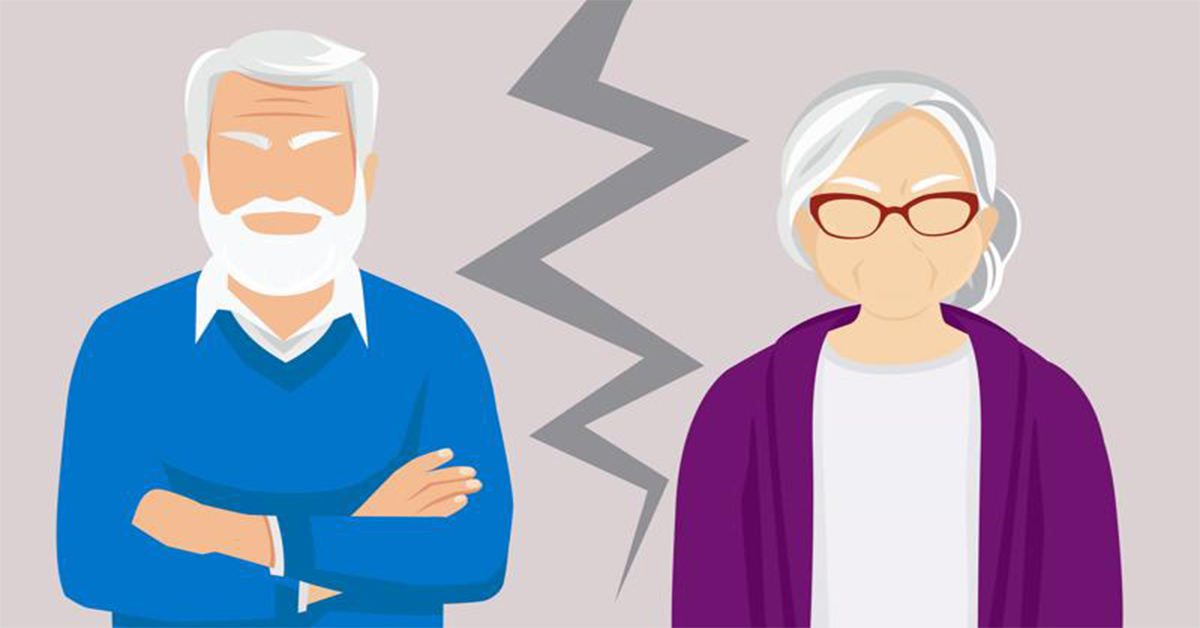
People who enter into a relationship with an avoidant attachment style often desire closeness and emotional connection, but in practice, they show behaviors that prevent the formation of deep and stable relationships. This contradiction is not only challenging for the individual, but it also confuses and tires his emotional partner. Reluctance to true intimacy These people draw an invisible fence around themselves due to the fear of rejection. Verbal communication about feelings is difficult for them and they usually avoid emotional conversations. This issue confronts the other side with a wall of silence and ambiguity. Internal pressure and denial of emotions For avoidant people, expressing feelings is considered equal to being vulnerable. Instead of expressing their needs or frustrations directly, they hide their feelings in the form of grumpiness, criticism or heavy silence. This causes not only their partner to not be able to understand them properly, but also the healthy relationship is destroyed. Inability to maintain relationships As the relationship deepens, the avoidant person may unconsciously look for an excuse to withdraw. Sometimes they push the relationship towards the end by posing unrealistic problems or saying things like "I don't think I'm ready for a serious relationship". Ambiguous and confusing behaviors Behavioral fluctuation is one of the characteristic features of these people. At one moment their behavior may be friendly and warm and at another moment completely cold and distant. Such behaviors make the emotional partner feel doubtful, insecure and mentally tired. Focus on troubleshooting One of the common defense mechanisms in avoidant people is to focus excessively on the apparently insignificant faults of their emotional partner. Instead of accepting the relationship with all its shortcomings, these people are constantly criticizing the other person's daily behavior such as the way they speak, eating habits or lifestyle.
Treatment of avoidant attachment style
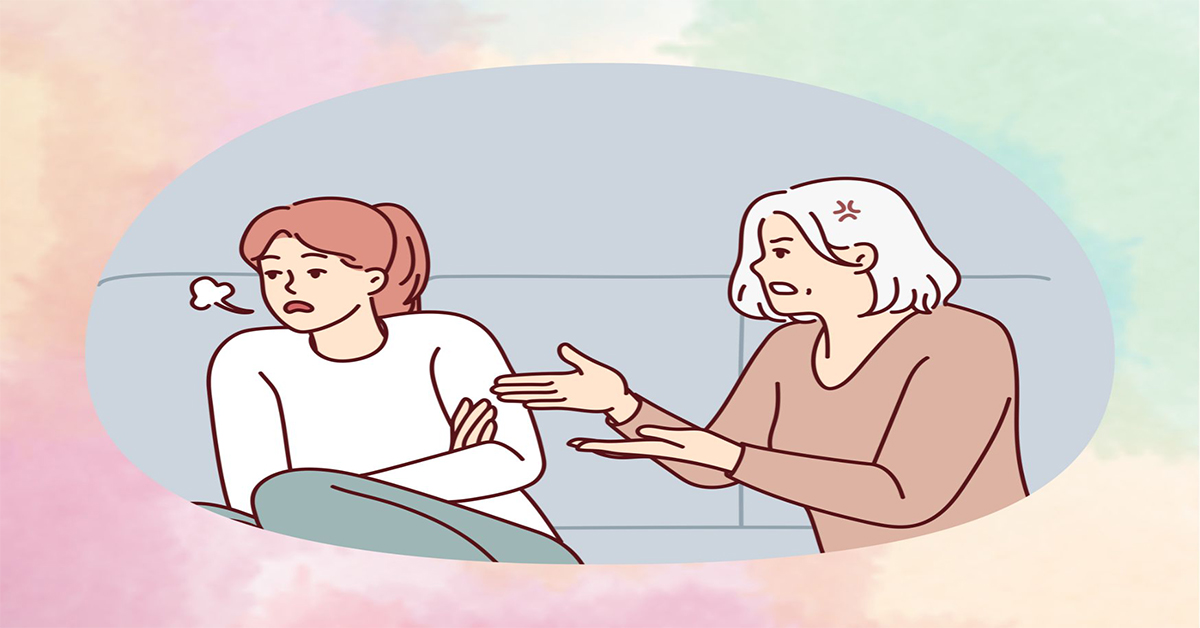
Avoidant attachment is one of the unstable patterns of communication that can face serious challenges in personal, emotional and social relationships. The treatment of this attachment style requires a gradual, deep process based on self-awareness. The first step in treatment is to identify dysfunctional patterns in interpersonal relationships; A person should be aware of how avoiding intimacy, suppressing feelings and extreme self-sufficiency hinders the formation of meaningful relationships. In this way, psychotherapy, especially treatments based on attachment, cognitive-behavioral and schema therapy can be very effective. In therapy sessions, people are helped to:
-
Access their repressed emotions
-
Express emotions in a healthy way
-
Experience and practice safer communication patterns
-
Reconstruct their mental image of close relationships
Another important factor in improving avoidant attachment is experiencing a safe therapeutic relationship with the therapist; A place where one can practice vulnerability and rebuild trust without fear of rejection or judgment. (Berman, Karen. 2017. Developmental psychology 2, psychology from adolescence to adulthood. Translated by Yahya Seyed Mohammadi. Tehran: Nash Ravan, pp. 171-173)
Last word
Avoidant attachment style can be a serious obstacle in the way of creating deep and healthy relationships, but with the help of specialized treatments and proper support, it is possible to change and grow. Using an experienced team in the field of psychology and attachment-based treatments, Pirouzi Clinic is ready to help you identify and fix attachment problems and teach you ways to create better and more stable relationships. If you are looking to improve the quality of your emotional relationships and mental life, visiting Pirozhi Clinic can be an effective step in this direction.
Make an appointment:
To receive individual advice from the specialists and consultants of Pirouzih Clinic, just call the following numbers:Yeproozi contact number: 
 02177431649
Qaitariya contact number: 02126456903
02177431649
Qaitariya contact number: 02126456903
Working hours
days of the week 8:00 – 17:00 Thursday with coordination Friday Holidayhref="tel:+982177431649">021-77431649
Latest content
Behzadi2025-10-16T21:31:24+00:00Behzadi2025-10-16T21:31:24+00:00 October 16th, 2025|no View
Why do some people avoid intimacy? Getting to know the avoidant attachment style is one of the behavior patterns that is rooted in the early life, the avoidant attachment style. The way people to establish [...]

The effect of forgiving betrayal on mental health and emotional relationships
amini2025-08-25T16:04:14+00:00 August 21st, 2025|No view
Can betrayal be forgiven? A psychological look at forgiveness of betrayal. Facing betrayal in an emotional relationship can be one of the heaviest and most complex experiences in life. When trust [...]
Daily visit: 3Register an appointment
You can set up a consultation session through this button...
make appointment Behzadi2025-10-16T21:31:24+00:00Clinic Address
Tehran Province, Tehran, Piroozi St, MFVR+298, IranBranch 1:
Pirooz Branch
No. 1278, No. 1278, 3rd floor - Unit 7, at the beginning of Abuzar Blvd., Pirizi St., Tehran
Contact us
Saturday to Wednesday: 9 am to 9 pm
Yeproozi contact number:
02177431649
Qaitariya contact number: 02126456903
Andrezgo Blvd., between Kaveh Blvd. and Qaitarieh Blvd., in front of the Proud Mosque, No. 134, 2nd floor, unit 3

Pirouzi Clinic is always by your side to achieve your growth and mental health...
About Us
Piirozi Clinic is a center dedicated to personal growth and personal development and skilled psychologists here They play a very important role. This field is dedicated to training people to achieve goals and win in life. Using modern psychological techniques and their experiences, our psychologists provide solutions for the mental and social problems of the clients.
مقالات دیگر از Mohammad Pirizi

چرا تنبیه بدنی کودک اشتباه است؟
چرا تنبیه بدنی کودک اشتباه است؟ چرا تنبیه بدنی کودک راه حل نیست؟ پیامدهای تنبیه بدنی کودک تنبیه بدنی کودک، یکی از رایج ترین و در عین حال آسیب زاترین روش ه...

تاثیر بخشش خیانت بر سلامت روان و روابط عاطفی
تاثیر بخشش خیانت بر سلامت روان و روابط عاطفی آیا می توان خیانت را بخشید؟ نگاهی روان شناسانه به بخشش خیانت مواجهه با خیانت در یک رابطه عاطفی می تواند یکی از س...

چرا بعضی ها از صمیمیت فرار می کنند؟ آشنایی با سبک دلبستگی اجتنابی
چرا بعضی ها از صمیمیت فرار می کنند؟ آشنایی با سبک دلبستگی اجتنابی چرا بعضی ها از صمیمیت فرار می کنند؟ آشنایی با سبک دلبستگی اجتنابی یکی از الگوهای رفتاری که ر...

نشانهها و تاثیرات خاموش طرحواره بازداری هیجانی بر زندگی
نشانهها و تاثیرات خاموش طرحواره بازداری هیجانی بر زندگی وقتی احساساتت را قورت میدهی: نگاهی به طرحواره بازداری هیجانی آیا تا حالا تجربه کردهاید که نتوانید اح...

Treatment of children's learning disorders
Treatment of children's learning disorder Specialized workshop for diagnosis and treatment of learning disorders Important fields of psychology, educational sciences, educational technology, teache...

What is therapy and how does it help us?
**There are different types of treatment, each of which can have different effects on different people.** Counseling sessions can be useful for any person for many reasons... better self-knowledge, r...

Painless suicide
Painless suicide It refers to genes that direct the cell towards programmed death and force it to kill itself. It causes programmed cell death.False beliefs about suicide **false beliefs:** 1... S...

Necessary preparations for marriage
Necessary preparations for marriage One of the necessary preparations for marriage that couples think about is financial preparation, but they do not pay attention to the most important thing, which...

The effect of negativity on the mind
The effect of negativity on the mind Negativeness or the impact of bad events is anything that has a negative and bad nature, such as unpleasant thoughts, negative feelings towards events, etc. It is...

How to have a successful marriage?
How to have a successful marriage?... To know "how to have a successful marriage?" Maybe it's better to first know what marriage is... Marriage means signing an official contract during which both par...

The effect of exercise on mental health
**Effect of exercise on mental health** The effect of exercise on mental health is one of the things that we may have heard less about... In fact, we are all familiar with the benefits of exercise fo...

Feeling rejected
Reject | Types and ways to deal with it Rejection is an internal feeling that a person is experiencing the feeling of being rejected, the idea of being abandoned, not being wanted, not being loved, a...

SEO site management services
Search engine optimization (SEO) services help you to rank your website higher in the search results of Google and other search engines.

Implementation of branding and digital advertising
Digital branding means creating a strong and distinctive brand in the digital space for a company or a specific product. This process involves using digital methods and strategies to build and strengthen the brand.

Website design for companies and businesses
Website design for companies and businesses can help you have a stronger online presence and attract more customers. Contact us for more information.
