
Tarsal tunnel in the ankle - Tuvan Navin physiotherapy

tarsal tunnel in the ankle
Tavan Novin Physiotherapy > News and articles > Tarsal tunnel in the ankle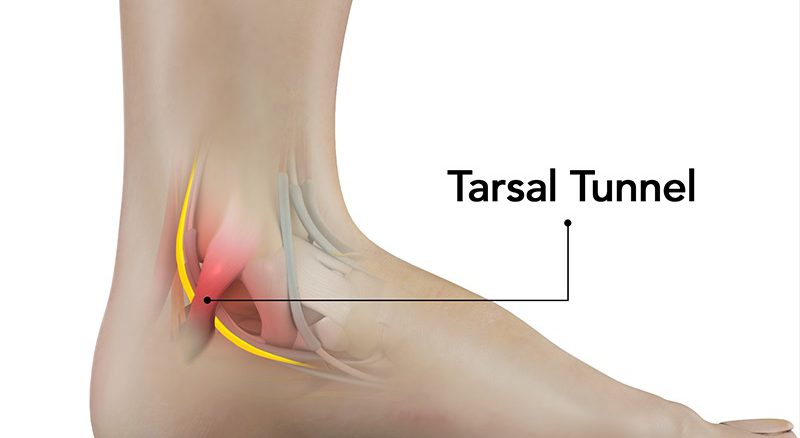
- Ardibehesht 25, 1404
- Views: 0
- News and Articles
Tarsal Tunnel Syndrome (TTS) is a rare neurological disorder. It occurs in the ankle and is similar to carpal tunnel syndrome in the wrist.:
The tarsal tunnel is a bony-fibrous canal on the inner surface of the ankle (medial ankle) that is covered by the supporting flexor ligament and through which the posterior tibial nerve, along with its vessels and tendons, passes.
In TTS, this nerve is compressed or irritated, causing sensory symptoms and There is a movement in the soles and fingers.
Symptoms and symptoms
- Pain, burning or tingling in the soles, heels or toes
- Numbness or numbness in the inner surface of the ankle
- Aggravation of symptoms when standing, walking or at night
- Weakness of the plantar muscles in advanced cases
Causes and risk factors
- Pressure or damage to the posterior tibial nerve (due to ankle sprain or tumor)
- Diabetes (causes neuropathy and damage to peripheral nerves)
- Varicose veins, ganglion cyst or inflammation of surrounding tendons Tunnel
- Structural disorders such as flat feet
- Repetitive movements or prolonged standing
Diagnosis methods
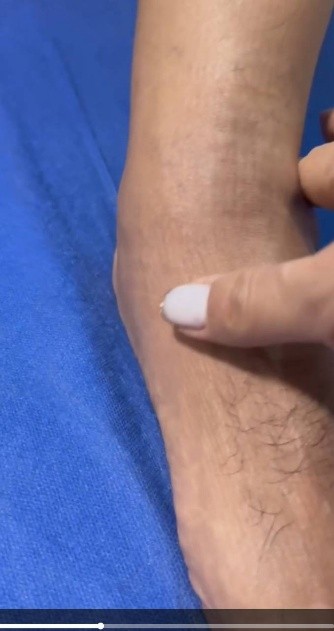
- Clinical examination (Tinell's test on the posterior tibial nerve)
- Electrodiagnostic examination (nerve and muscle strip – EMG/NCS)
- MRI or ultrasound to check for tumor or inflammation Functional leg tests to evaluate mobility, strength, and range of motion Therapeutic exercise
- Stretching of the posterior leg muscles: stretching the gastrocnemius and soleus muscles to reduce pressure on the tunnel structures.
- Stretching exercises: stretching the posterior leg muscles (cuffs) and plantar fascia
- Strengthening exercises: strengthening the invertor muscles and ankle flexors
- Foot exercises Balance: such as standing on one leg or using a balance ball to improve muscle stability.
- Strengthening the inner leg muscles: with exercises such as folding a towel with toes or walking.
- Mobilization of the posterior tibial nerve: neurodynamic techniques for Releasing adhesions around the nerve and facilitating its movement.
- Releasing the plantar fascia and
- deep soft tissue massage
- especially in areas with inflammation or cramping of the posterior tibialis muscles and plantar fascia.
- Specialized manual treatments by a physiotherapist
- TENS to reduce chronic pain
- Ultrasound: reduce inflammation and improve blood circulation, which sometimes we use anti-inflammatory creams as phonophoresis
- which includes high and low power laser at the discretion of the physiotherapist Laser therapy: nerve stimulation
- Electroacupuncture and acupuncture
- Tapping for neuromobilization
- Using special insoles in shoes
- Sometimes using a night splint to reduce pressure while sleeping
- Changing the way you stand and walk
- Methods To reduce the pressure on the ankle in the work environment or daily activities
- Recommendations for suitable shoes, resting at appropriate intervals and avoiding long standing
- Avoidance of intense and repetitive activities in acute stages
2-Manual Therapy(Manual Therapy)
3-Using treatment modalities:
4-Ergonomic training and lifestyle modification
Physiotherapy as a non-invasive treatment plays an important role in reducing symptoms and preventing the progression of tarsal tunnel syndrome.
Physiotherapy It is effective as the first line of treatment in mild to moderate stages.
Clinical evidence and comparison with other treatments
Many studies have shown that conservative treatment including physical therapy has significantly reduced pain and improved function in more than 60% of patients with mild to moderate TTS. Comparison with drug or injectable treatments shows that the effects of physiotherapy are more stable and without common side effects. Surgery is recommended in severe or resistant cases.
Conclusion
Specialized physiotherapy is an effective, safe and comprehensive approach to the treatment of tarsal tunnel syndrome. Designing a specific treatment plan, according to the underlying causes and functional conditions of the patient, can lead to an improvement in the quality of life and prevent the need for surgery. Tuan Navin Physiotherapy Clinic under the supervision of physiotherapist Noushin Alvandian can help you a lot in the field of ankle pain and its quick diagnosis and treatment.
You can book an appointment for correct diagnosis and full treatment by visiting directly or by phone.
Tags: sports injury, , torn Knee cruciate ligament, knee meniscus tear, Ankle sprain, Takarotherapy, Kharpashehne, Ankle pain, Dry needle Darinneedling, shock therapy, Physiotherapy in Tajrish, Physiotherapy Darband, Physiotherapy Dzashib, Qitariya Physiotherapy Physiotherapy Niavaran, Sports Physiotherapy, , laser radiation, Magnetic therapy, manual therapy, foot murmurمقالات دیگر از Tuan Navin Physiotherapy


SEO site management services
Search engine optimization (SEO) services help you to rank your website higher in the search results of Google and other search engines.

Implementation of branding and digital advertising
Digital branding means creating a strong and distinctive brand in the digital space for a company or a specific product. This process involves using digital methods and strategies to build and strengthen the brand.

Website design for companies and businesses
Website design for companies and businesses can help you have a stronger online presence and attract more customers. Contact us for more information.
