
Physiotherapy for muscle cramps or muscle spasm - Radin Physiotherapy Clinic

Physiotherapy of muscle cramps or muscle spasms
- Category: Physiotherapy services, articles
- Publication date: June 17, 2024
- Duration of study: 10 minutes

 Study time: 10 minutes
Physiotherapy of muscle cramps or muscle spasms
Physiotherapy for muscle cramps or muscle spasm is done with what methods and how effective is it? Muscle spasm or muscle cramp refers to a condition in which muscles are involuntarily cramped and have intermittent and unwanted tension. This condition can be temporary or chronic and can occur in any part of the body. The causes of muscle spasm can include physical, nervous, chronic, stress and psychological factors.
The main causes of muscle spasm are:
- Muscle injury: Wound, abrasion, muscle strain can lead to muscle spasm.
- Stress and mental pressure: Stress, anxiety and mental pressure can lead to muscle spasm.
- Diseases Neurological: Some neurological diseases such as multiple sclerosis, Parkinson's, epilepsy and other neurological disorders can cause muscle spasms.
- Physical factors: Pregnancy, prolonged sitting in one position, repetitive movements and the need to use muscles for a long time can lead to muscle spasms.
In addition, some specific diseases such as fibromyalgia, premenstrual syndrome, muscle stress syndrome and other disorders. They can also cause muscle spasm.
In case of muscle spasm or muscle cramping, symptoms such as pain, muscle stiffness and stiffness, limited mobility of the affected muscles and general discomfort may result. If these symptoms occur, it is useful to see a specialist doctor so that the cause of the muscle spasm is determined and proper treatment is carried out.
Read more about foot physiotherapy...

 Consultation and appointment booking
Call 26247611
Consultation and appointment booking
Call 26247611
What is the cause of muscle cramps?
The causes of muscle cramps can be diverse and can generally be divided into two main categories: muscular causes and neurological causes. Below are some common causes of each category:
muscular causes
- Muscle tension and strain: Prolonged use of muscles without adequate rest, repetitive movements, heavy loads, and intense exercise can lead to muscle cramps.
- Muscle injury: Muscle injuries, abrasions, strains, or fractures can cause muscle spasms.
- Physical factors: Pregnancy, prolonged sitting in one position, prolonged immobility or sitting can cause muscle spasms. muscle cramps.
Neurological causes
- Neurological disorders: Some diseases such as multiple sclerosis, Parkinson's, epilepsy and other neurological disorders can cause muscle spasms.
- Other neurological causes: Factors such as nervous tension, anxiety, stress, sleep disorders can lead to muscle spasms.
What are the signs of muscle cramps?
Symptoms of muscle cramps may be diverse and vary depending on the severity and location of the muscle spasm. Next, we mention some common symptoms of muscle cramps:
- Pain: Severe or chronic muscle pain is one of the main symptoms of muscle cramps. The pain may be sharp, burning, mild or severe and is usually located in the affected area.
- Muscle tightness and stiffness: The affected muscle becomes tight and stiff and there is a feeling of muscle tension. This tightness can also lead to limitations in movement and muscle inflexibility.
- General discomfort: Sometimes muscle cramps can cause general discomfort, which includes fatigue, muscle weakness, increased unwanted movements, and a feeling of discomfort.
In any case, if these symptoms occur, it is appropriate to see a specialist doctor so that the cause of muscle cramps can be determined and a suitable treatment plan can be carried out.
What muscles are more likely to have muscle spasm?
Muscle spasm can occur in any part of the body. But some muscles may be more prone to muscle spasm due to their specific characteristics. Below are some of the muscles that are likely to be at the highest risk of muscle spasm: Neck and shoulder muscles: Neck and shoulder muscles such as the trabus, cervical, deltoid and trapezius muscles are very active and are used in our daily activities. Therefore, these muscles are more vulnerable to tension and spasm.
However, this list is only a general reference and each A muscle may undergo spasm. Individual factors, daily activities, stress and other factors can also be influential. In case of symptoms of muscle cramps, it is appropriate to see a specialist doctor for accurate diagnosis and appropriate treatment.
Muscle spasm in pregnancy

 During pregnancy, many hormonal and physiological changes occur in a woman's body, which can lead to muscle spasms. Some of the common causes of muscle spasm in pregnancy are:
- Hormonal changes: During pregnancy, the level of various hormones including estrogen and progesterone increases. These hormonal changes can lead to muscle changes, increased muscle sensitivity, and muscle spasms.
- Pregnancy weight: With the growth of the fetus and the increase in pregnancy weight, the pressure on muscles and joints increases. This pressure can lead to muscle tension and spasm in areas such as the back, waist, shoulders and legs.
- Changes in body posture: As pregnancy progresses, changes occur in the body's center of balance and body posture changes. These changes can increase stress and pressure on muscles and stimulate muscle spasms.
- Stress and mental pressure: Pregnancy may be associated with a lot of stress and mental pressure. Stress and pressure can lead to increased muscle tension and muscle spasm.
The type and location of muscle spasm in pregnancy may be diverse and depend on many factors. Usually, back, waist, shoulder, neck and leg muscles are more exposed to muscle spasm during pregnancy.
If you experience symptoms of muscle cramps during pregnancy, it is important to consult your doctor. He can make an accurate diagnosis based on your symptoms and provide the necessary guidance.
Muscle cramps in sleep
Sleep cramp is commonly known as "sudden muscle cramp" or "muscle cramp" and refers to the occurrence of muscle spasm during sleep. This condition may occur suddenly and without warning and includes a feeling of pain and tightness in the target muscle.
The exact cause of muscle cramps in sleep is not yet known, but some factors can be effective:
- Long-term activity or rest: The body may be unfairly placed in a fixed position during sleep, which can lead to muscle tension and spasm.
- Vitamins and substance deficiency. Minerals: Deficiencies in vitamin D, vitamin B12, calcium, magnesium, and potassium may be associated with muscle spasms. These minerals and vitamins play a role in maintaining muscle health.
- Stress and anxiety: Stress and anxiety may cause muscle tension and as a result lead to muscle cramps in sleep.
- Muscle weakness: Muscle weakness and their lack of proper strength can lead to muscle spasms and cramps in sleep.
If you frequently suffer from muscle cramps in sleep, see a specialist doctor or A physiotherapist can help. They can diagnose the exact cause and recommend treatment strategies such as muscle strength exercises, proper nutrition, and mineral and vitamin supplements. Also, it is better to manage and prevent muscle cramps in sleep by improving sleep conditions and reducing stress and anxiety.
How to treat muscle cramps
Treatment of muscle cramps depends on its cause and severity. Here are some common treatment methods to reduce muscle cramps: Rest: If the muscle is painful, rest and avoiding heavy activities can speed up recovery. But maintaining very long-term activities and not using the muscles for a long time is also not recommended, because it may cause muscle weakness.
Also, muscle cramp symptoms may take time to improve, so be patient and follow the treatment regimen regularly.


The role of physiotherapy in the treatment of muscle spasm
Physiotherapy plays an important role in the treatment of muscle spasm and facilitates improvement of symptoms and reduction of muscle tension. Physiotherapy treatment is determined based on the type and severity of muscle spasm and its causes. Below are the roles of physiotherapy in the treatment of muscle spasm:
reducing muscle tension
Physiotherapy using relaxation exercises and techniques, muscle stretching, and flexibility exercises can help reduce muscle tension and release tight muscles.
Strengthening exercises
Physiotherapy can provide specific exercise programs to help strengthen weak and misaligned muscles. Strong and balanced muscles can prevent muscle spasm and reduce its complications.muscle stimulation
Physiotherapy can use muscle stimulation methods such as massage, electrotherapy, sound waves and electrical nerve stimulation. These methods can help relax muscles and reduce muscle tension.Balance exercises and movement control
Physiotherapy can teach you balance and movement control exercises. These exercises can help improve muscle control and prevent muscle spasms.
Teaching breathing techniques
Breathing techniques can help reduce muscle tension and relax muscles. Physiotherapy can teach you how to breathe deeply and regularly.


Modify the movement pattern
Physiotherapy can help you identify and correct incorrect movement patterns. This can help prevent muscle tension and spasm during daily activities and sports.Education of stress management methods
Stress and anxiety may aggravate the effects of muscle spasm. Physical therapy can teach you stress management and relaxation techniques that can help reduce muscle spasms.
In general, physical therapy plays an important role in treating muscle spasms. By combining various physical therapy methods such as strengthening exercises, flexibility exercises, muscle stimulation, and teaching breathing techniques and movement control, it is possible to help reduce muscle tension, improve muscle control, and improve muscle spasm symptoms. In any case, it is better to consult a physical therapy doctor to determine the right treatment plan for your specific condition.
Dry needling in muscle spasms
Dry needling or acupuncture is one of the traditional Chinese treatment methods that plays an important role in the treatment of muscle spasm. This method involves inserting very thin needles into specific points in the body that are located along the path of nerves and blood vessels. These needles are used to relieve tension and balance the flow of energy in the body.
In muscle spasm, dry needling can have the following effects:
- Reducing muscle tension: By inserting the needles into specific points around the spasmed muscles, muscle tension is reduced and the muscles return to their normal state.
- Pain relief: Acupointer It can help reduce pain caused by muscle spasms. Long needles can help send soothing signals to the brain, thereby reducing pain.
- Regulation of nerve function: Acupuncture can affect the regulation of nervous system function. This method can help balance nerve activity and reduce stress and anxiety that may play a role in muscle spasms.
- Improving blood flow: Acupuncture can help improve blood flow in areas of need. This can cause better muscle nutrition and faster recovery from muscle spasm.
Electrotherapy in the treatment of muscle spasm
Electrotherapy is one of the methods used in the treatment of muscle spasm. In this method, electric current is applied to muscles to improve muscle tension and reduce muscle spasm. Electrotherapy can have the following effects in the treatment of muscle spasms:- Pain reduction: Electrotherapy can help reduce pain caused by muscle spasms. Electric current can soothe nerves and reduce pain.
- Control of muscle tension: Electrotherapy can help control muscle tension and restore muscles to their normal state. Electric current can relax muscles and reduce tension.
- Improving muscle function: Using electrotherapy, you can strengthen muscles and improve muscle function. Electric current can help stimulate muscles and increase their strength and ability to contract.
- Improving blood flow: Electrotherapy can help improve blood flow in needed muscle areas. This issue can help to better nourish the muscles and reduce inflammation and the release of anti-inflammatory substances.
- Facilitating movement control: By using electrotherapy, movement control can be improved. Electric current can help stimulate muscles and nerves to establish better movement control and reduce muscle spasms.
It is important to know that electrotherapy should be performed by experienced and professional specialists. Before using this method, it is better to consult your doctor or a physiotherapist so that a complete examination of your condition can be done and the right decision can be made about the use of electrotherapy.


High power laser in the treatment of muscle spasm
High-power laser (Low-Level Laser Therapy or LLLT for short) is one of the methods used in the treatment of muscle spasm. In this method, laser light with appropriate frequency and intensity is applied to the muscles to create biological effects in the cells. High power laser can be useful in the treatment of muscle spasm.
Hydrotherapy in the treatment of muscle spasms
Water therapy, or hydrotherapy, is another method used in the treatment of muscle spasm. In this method, exercises and treatments related to muscles and joints are performed in water. Water therapy can have the following effects in the treatment of muscle spasm:
- Reduction of pressure and body weight: Water, as a semi-floating environment, reduces pressure and body weight. This can help reduce pressure and stress on the muscles and reduce muscle spasms.
- Pain relief: Warm water and water massage can help relieve pain caused by muscle spasms. The heat of the water and the movements in the water can relax the muscles and reduce the feeling of pain.
- Facilitation of movement: In the water, the weight of the body decreases and the movement becomes easier. This can help facilitate movement and reduce movement restrictions in muscle spasm. Strengthening muscles: Exercises in water can help strengthen muscles. Water resistance and movements in water can strengthen muscles and improve muscle function.
- Improving balance and muscle control: In water, the use of body balance and muscle control improves. This can help improve motor control and reduce muscle spasms.
Ultrasound therapy in the treatment of muscle spasm
Ultrasound therapy is another method used in the treatment of muscle spasm. In this method, ultrasound waves with high frequency and low intensity are applied to the areas that need treatment. Ultrasound therapy can have the following effects in the treatment of muscle spasm.
Read about ultrasound therapy.
Concluding remarks
Physiotherapy plays a very important role in improving and treating muscle spasms or cramps. Physical therapy includes strengthening and flexibility exercises and techniques that speed recovery and help reduce symptoms and pain. Usually, the physiotherapist will prescribe specific exercises for you to do on a regular basis. You can contact the specialist Radin clinic to speed up your recovery with the best techniques and equipment by booking an appointment with the cooperation of the experienced staff.You can also use the services of contact the clinic get an appointment Instagram
Physiotherapy with insurance Supplemental
Physiotherapy with Asia Insurance Physiotherapy with social security insurance Physiotherapy with armed forces insurance Physiotherapy with Kausar Insurance Physiotherapy with teacher insurance Physiotherapy with entrepreneur insurance Physiotherapy with Sepeh Bank Insurance Physiotherapy with cooperative insurance Physiotherapy with Mellat Insurance Physiotherapy with Refah Bank Insurance Physiotherapy with SOS insurance Physiotherapy with Sarmad insurance Physiotherapy with Saman Insurance Physiotherapy with new business insurance Physiotherapy with Razi Insurance Physiotherapy with Salem city insurance Physiotherapy with Arman Insurance Physiotherapy with Bank Melli Insurance Physiotherapy with modern insurance Physiotherapy with Dana Insurance Physiotherapy with Parsian Insurance Physiotherapy with Sina Insurance Physiotherapy with Alborz Insurance- Tags: Muscle spasm, , dry Needling in muscle spasm, Muscle cramps, Best Physiotherapy specialist


Whiplash Physiotherapy
Read more href="https://radinphysio.com/%d9%81%db%8c%d8%b2%db%8c%d9%88%d8%aa%d8%b1% d8%a7%d9%be%db%8c-%d9%82%d9%81%d8%b3%d9%87-%d8%b3%db%8c%d9%86%d9%87/">

Chest physiotherapy
Read more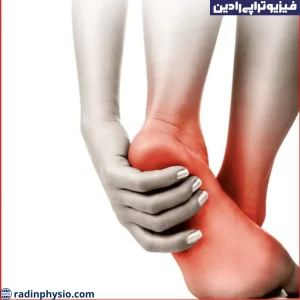
What is the cause of hot feet? Foot heat physiotherapy
read more
 Physiotherapy in patellar dislocation Read more

Facial nerve physiotherapy treatment
read more
 Pelvic floor physiotherapy Pelvic floor muscles read more
 Physiotherapy purulent tenosynovitis (infection of the tendon sheath) hand) Read more
 Other articles Educational
Trigger finger physical therapy, finger locking
Study time: 5 minutes trigger finger physical therapy, trigger finger is one of the most common diseases of the fingers, which occurs with pain and limited movement of the fingers or the so-called finger locking. Trigger finger can be seen in all people, but people with certain diseases such as diabetes, rheumatoid arthritis, and those who do manual work or activities are more affected.
What is short leg syndrome? Treatment of leg length discrepancy through physiotherapy
Study time: 13 minutes What is short leg syndrome and how is the treatment of leg disorder through physiotherapy? Short leg syndrome or short leg is caused by various factors such as genetic factors, structural changes in the bones and muscles of the legs, injuries and damages during growth, environmental factors, etc. This syndrome usually means that one or both legs are shorter than their normal length.
What is the physical therapy of peroneal tendonitis?Study time: 7 minutes How does physiotherapy for peroneal tendon inflammation help treat this disease? Peroneal tendonitis is an inflammatory condition that occurs in the peroneal tendon, the tendon of the peroneal muscle. The peroneal tendon is responsible for connecting the peroneal muscle to the bone, which is located at the back of the leg. This muscle is responsible for returning the foot and participating in its stabilization.
Physiotherapy of pelvic varices
Study Time: 9 Pelvic Varicose Veins is a medical condition in which the pelvic veins are affected. Pelvic veins carry blood from the lower body to the heart. When these veins are disturbed or swollen, pelvic varices occur.The causes of pelvic varicose veins may include excessive pressure in the pelvic veins, damage to the venous valve system, decreased blood flow, and dysfunction of the lymphatic system. Some possible factors that cause pelvic varices include pregnancy, old age, obesity, insufficient physical activity, hormonal imbalance, genetic factors, and pelvic trauma.
مقالات دیگر از Radin Physiotherapy Center

صفحه اصلی - کلینیک فیزیوتراپی رادین
دستانی که درمان میکنند کلینیک تخصصی فیزیوتراپی رادین، واقع در اقدسیه تهران محله آجودانیه، که یکی از بهترین فیزیوتراپی تهران شناخته میشود، با استفاده از بروزترین امکانات درما...

مگنت تراپی - کلینیک فیزیوتراپی رادین
مگنت تراپی تهران مرکز مگنت تراپی تهران کلینیک فیزیوتراپی رادین یکی از بهترین کلینیک و مرکز مگنت تر...

آب درمانی تهران - کلینیک فیزیوتراپی رادین
بهترین آب درمانی تهران آب درمانی تهران؛ یکی از متعددترین سوالاتی است که توسط بیماران و مراجعین فیزیوتراپی درباره آب درمانی پرسیده میشود، این است که بهتری...

فیزیوتراپی با بیمه - کلینیک فیزیوتراپی رادین
فیزیوتراپی با بیمه تکمیلی کلینیک فیزیوتراپی رادین جهت رفاه حال مراجعینی که قصد استفاده از فیزیوتراپی با بیمه...
فیزیوتراپی با بیمه - کلینیک فیزیوتراپی رادین
فیزیوتراپی با بیمه تکمیلی کلینیک فیزیوتراپی رادین جهت رفاه حال مراجعینی که قصد استفاده از فیزیوتراپی با بیمه...

کلینیک فیزیوتراپی دیسک کمر و گردن - کلینیک فیزیوتراپی رادین
دیسک گردن چیست؟ کلینیک فیزیوتراپی دیسک کمر و گردن یکی از مشکلات و...

کلینیک فیزیوتراپی پا و مچ پا - کلینیک فیزیوتراپی رادین
فیزیوتراپی پا چیست؟ در بهترین کلینیک فیزیوتراپی پا و مچ پا پا...

کلینیک فیزیوتراپی زانو - کلینیک فیزیوتراپی رادین
فیزیوتراپی زانو چیست؟ در بهترین کلینیک فیزیوتراپی زانو یکی از محبوب تر...

بهترین کلینیک درای نیدلینگ تهران - کلینیک فیزیوتراپی رادین
سوزن خشک چیست؟ درای نیدلینگ شمال تهران یکی از تکنیک های فیزیوتراپی برای درمان درد و مشکلات حرکتی این روش است. در این...

کلینیک فیزیوتراپی لگن - کلینیک فیزیوتراپی رادین
فیزیوتراپی لگن چیست؟ در بهترین کلینیک فیزیوتراپی لگن یک رشته...

Physiotherapy with basic insurance
Study time: 10 minutesWhat is knee locking? Knee locking physiotherapy, knee stiffness ======================================================= What is knee locking and how is physiotherapy for kne...

Physiotherapy with basic insurance
Study time: 8 minutesWhat is radiculopathy? How is radiculopathy physiotherapy? ===================================================== What is radiculopathy or radiculopathy syndrome? How is radicu...

SEO site management services
Search engine optimization (SEO) services help you to rank your website higher in the search results of Google and other search engines.

Implementation of branding and digital advertising
Digital branding means creating a strong and distinctive brand in the digital space for a company or a specific product. This process involves using digital methods and strategies to build and strengthen the brand.

Website design for companies and businesses
Website design for companies and businesses can help you have a stronger online presence and attract more customers. Contact us for more information.
