
Metastatic brain tumor Is there a cure for brain metastasis?

Metastatic brain tumor
Last updated: October 29, 2025 Is there a cure for brain metastasis? Brain metastases may be manageable and treatable, especially if detected early. Symptoms of brain metastasis include headache, limb weakness, seizures, and cognitive impairment, and they appear differently depending on the location of the tumor. The lifespan of brain metastases is influenced by factors such as the number of lesions, general health, and response to treatment. Early diagnosis and the use of combined treatment methods can increase the chances of recovery and control of the disease. In this article, we have reviewed the symptoms, diagnosis methods and treatment options of brain metastasis.

What is a metastatic brain tumor?
Not all cancers metastasize to the brain, for example some types of cancer, such as prostate cancer, rarely spread to the brain. Other cancers such as lung, breast, kidney, melanoma, thyroid, testicle, germ cell tumors are more prone to spread to the brain.
Often, metastasized tumor cells spread faster than the primary tumor cells, and it is not uncommon for multiple tumors to form in multiple areas of the brain. To better understand the metastasis and spread of cancer cells to the brain, it is important to know types of malignant brain tumor, because each type acts differently in terms of origin, growth rate and response to treatment.
Symptoms of metastatic brain tumor
Symptoms of brain metastasis depend on the location of the tumor in the brain. Most likely, the cells go to the brain hemisphere or cerebellum. Cancer patients should report the following symptoms to their doctor immediately:
- New or more severe headache than usual or pain in the back of the head
- Seizures in patients with no history
- Decreased coordination of hand and leg movements, falls, loss of balance
- Weakness, numbness, tingling, especially in arms and legs
- Character change
- loss of memory; Poor judgment or difficulty concentrating and solving problems
- general feeling of sickness or lethargy; Vomiting or fever
- double vision, blur or reduced vision
- Speech disorder; Hearing loss
If you are suffering from cancer or have a history of suffering from cancer and have recently encountered the above symptoms, you must be examined by a neurosurgeon. Dr. Mahmoud Yazdan Panahi, with a specialized board of neurosurgery, is ready to help you in this field. To schedule a visit, use the communication methods provided on the site.
Is there a cure for brain metastasis?
Cancer that has spread (metastatic) is very difficult to treat. People with only one brain metastasis who receive effective treatment have a better chance of long-term survival than people with multiple metastatic tumors.However, metastatic brain tumors are often treatable and controllable if they are diagnosed in time. An optimal treatment plan takes into account several factors, including patient preferences, the type, number, location, and extent of tumor(s) invasion, as well as the patient's overall health.
Symptoms of cancer metastasis to the brain and ways of diagnosis
Symptoms of metastatic brain tumor vary depending on the location of the tumor and can sometimes resemble the symptoms of a stroke. The main difference is that the symptoms of a stroke appear suddenly, but the symptoms of a metastatic brain tumor gradually worsen over days or weeks.
Prevalence and risk factors of cancer metastasis to the brain are such that, about one third of cancer patients may develop one or more metastatic brain tumors. The risk of these tumors increases after the age of 45 and reaches its highest level in people over the age of 65.
method / section Main application Brain tumor symptoms Depending on the location, it is gradual and similar to a stroke Risk factors About one third of cancer patients have metastases Neurological examination Examination of vision, hearing, reflexes, balance and memory CT Cross-sectional images for quick diagnosis of tumor, swelling and bleeding MRI 3D image for exact tumor location and soft tissue details Biopsy Tissue sampling to determine the type and malignancy of the tumor Cerebrospinal fluid Examining cancer cells and extent of nervous system involvement Angiography Examining the location of the tumor and its relationship with the brain vessels The origin of cancer Additional tests to find the source of the cancerNeurological examination
Doctors first perform neurological examinations, which include the following:
- Visual field examination
- Hearing examination
- Examination of nerve reflexes (to diagnose spinal tumor)
- Balance check (to diagnose cerebellar tumors)
- Evaluation of reasoning and memory skills
Computed Tomography (CT)
Computed tomography (CT) uses X-rays to create cross-sectional images of the brain and can show tumors near bones, swelling, bleeding, and structural changes in the brain. This method is fast and accessible and helps the doctor to make decisions in the early stages, but it shows less details of the soft tissue of the brain; For this reason, often after CT, MRI is performed for a more detailed examination.Magnetic resonance imaging (MRI)
MRI provides a three-dimensional image of the brain and helps the doctor determine the exact location of the tumor and its relationship with the functional parts of the brain. In addition to metastases, this method is also used in the diagnosis of other brain tumors such as pituitary tumor.
Brain biopsy
A biopsy is performed to determine the exact type of tumor and check the characteristics of cancer cells. In this method, a small sample of cancerous tissue is removed and examined under a microscope. A biopsy is usually performed during brain surgery, in which part or all of the tumor is removed.
cerebrospinal fluid examination
In this test, a sample of cerebrospinal fluid is taken to check for cancer cells or tumor-related markers. This method helps to detect cancer metastasis to the central nervous system and can provide additional information about the extent of brain and spinal cord involvement.
Cerebral angiography
In cerebral angiography, the vessels and brain tissue are examined by injection of contrast material and accurate imaging. This method helps the doctor identify the exact location of the tumor, its relationship with important vessels and the extent of brain involvement and determine a more accurate treatment plan.
Investigating the origin of primary cancer
Sometimes metastatic brain tumor is detected in patients who have no history of cancer. In this situation, additional tests such as chest X-ray, mammography and scanning of the chest, abdomen and pelvis are performed to find the main source of cancer.Breast cancer metastasis to the brain
The brain is the main site of breast cancer metastasis. Metastasis of lung cancer to the brain can lead to symptoms such as headaches, weakness in limbs and seizures. MRI imaging is the main way doctors diagnose this brain metastasis. In patients who had regular visits to the doctor, the time for breast cancer cells to metastasize to the brain was about 32 months after the initial cancer diagnosis. This time is relatively long compared to the speed of expansion of other types of cancer.

About 40% of people with lung cancer have metastases or brain metastases. When lung cancer reaches the brain, it can cause headaches, seizures, and paralysis. Tumors can also cause memory problems and mood swings in the patient.
Metastatic lung cancer is rarely curable, advances in the diagnosis and treatment of brain metastases allow people to live longer and with a higher quality. Standard treatments such as surgery and radiation therapy for lung cancer brain metastases have had a good effect.
Treatment of metastatic brain tumor
In general, the treatment of metastatic brain tumors includes surgery, stereotactic radiosurgery, radiation therapy, and chemotherapy, each of which is used independently or in combination. In more advanced cases such as Grade 4 brain tumor treatment, a combination of several treatment methods is usually used to control tumor growth and improve the patient's quality of life, and choosing the right method is also considered part of metastatic brain tumor treatment.
stereotactic radiosurgery or gamma knife
This procedure is one of the most common treatments for brain metastases in the United States. During this process, the tumor tissue is exposed to radiation in a focused and precise manner. If there are multiple brain tumors or the cancer has spread to the brain membrane, whole brain radiation therapy may be recommended.

Chemotherapy for the treatment of brain metastases
Chemotherapy is used in some cases, but many chemotherapy drugs cannot cross the blood-brain barrier. For this reason, alternative methods or targeted drugs are usually used, which have a greater effect on metastatic brain tumors.Immunotherapy for the treatment of brain metastases
In immunotherapy, the patient's immune system is used to identify and destroy cancer cells. This method has had positive results in some types of cancer such as melanoma and lung cancer.
Brain surgery for the treatment of brain metastases
In cases where there are only one or two lesions, surgery can be effective to remove the metastatic tumor. This method is usually combined with radiosurgery or drug treatments to achieve a better result.
Treatment of brain metastasis caused by lung cancer
For brain metastases caused by lung cancer, radiosurgery or surgery is usually used. Research has shown that metastases from small cell lung cancer may respond better to targeted therapies and immunotherapy.
Targeted therapies in brain metastases
New targeted therapies such as trastuzumab for breast cancer brain metastasis and erlotinib for non-small cell lung cancer brain metastasis have shown effective results due to their ability to cross the blood-brain barrier.
Life expectancy of brain metastasis patients
Many factors can play a role in increasing the life expectancy of patients with brain metastasis. Effective control of the primary tumor, few lesions in the brain, good general health and proper functioning of the nervous system are among the most important.

Combined treatments including precise surgery, targeted radiotherapy, targeted drugs and immunotherapy can also help inhibit the growth of cancer cells and improve the patient's quality of life. Also, regular medical follow-up, proper nutrition and emotional support of the family have a significant impact on the treatment process.
Facebook Twitter LinkedIn Pinterest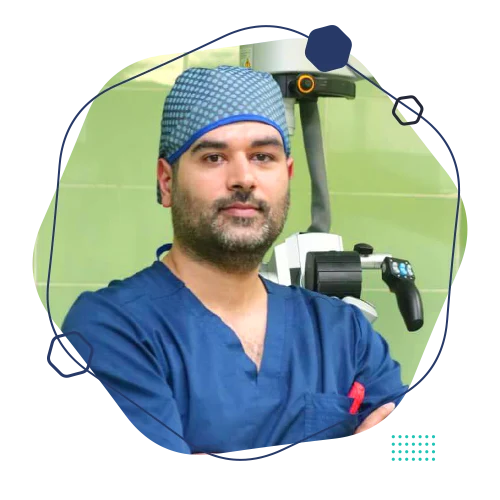
Dr. Yazdan Panahi
Student of Shahid Beheshti University of Tehran. The top rank of the specialized board of neurosurgery. 7-year history of performing complex operations on the base of the skull and brain and spinal cord tumors, 7-year history of complex operations on the spine
Related posts
 Spine and spinal cord
Lumbar disc treatment at home 14 ways to treat lumbar disc at home
Many people prefer to try less risky methods such as lumbar disc treatment at home before undergoing surgery. These methods include medication, physical therapy exercises, limited rest, light physical activity, massage, and techniques such as chiropractic. They aim to reduce inflammation, relieve pain and improve movement, and if done correctly, can speed up the healing process. Stay with us to check more of these items.
Read more » November 19, 2025 4 views Spine and spinal cord
Pain in the back of the neck Investigation of causes, symptoms, diagnosis and treatment methods
Back pain is often caused by muscle problems, improper body posture or erosion of the vertebrae, and sometimes it spreads to the shoulder and head. The cause of pain in the back of the neck and shoulder can be from a simple strain to a protrusion of the disc, and this point tells us what the symptoms of back pain are. Fortunately, most of these pains can be controlled with anti-inflammatory drugs, modification of daily habits and stretching exercises. Only limited cases, due to neurological or structural involvement, will require more advanced treatment methods.
Read more » November 18, 2025 No views the brainBenefits of brain endoscopy + examination of complications and risks
Cerebral endoscopy is a minimally invasive method that is performed by two methods, endonasal and neuroendoscopy, and each has its own advantages and disadvantages. Among the most important advantages of brain endoscopy, we can mention the reduction of manipulation of natural tissues, less pain, faster recovery, better visibility of the surgeon and reduction of the risk of concussion. However, endoscopic complications such as bleeding, CSF leakage, blood pooling, and infection are significant aspects of this procedure. Although there are disadvantages of endoscopy, in most patients the benefits outweigh the possible risks. In the following, the details of both aspects will be examined.
Read more » November 17, 2025 No views Spine and spinal cord
At what age does cervical disc start? + Check symptoms and treatment
Cervical disc usually appears in the third and fourth decades of life, but the onset of cervical disc in youth is not far off with increasing daily pressures. The cause of neck disc in youth is often a combination of bad sitting posture, long-term work with mobile phones and computers, and weak neck muscles. Obesity, inactivity and genetics also accelerate the process of disc erosion and reduce the age of the disease. Premature wear of discs reduces flexibility and increases the possibility of pain and rupture at a young age. Compliance with ergonomics, muscle strengthening and regular activity are the best ways to prevent and postpone this complication.
Read more » November 16, 2025 No viewsWrite your opinion Cancel response
مقالات دیگر از Dr. Mahmoud Yazdan Panahi
طرز خوابیدن کسانی که دیسک کمر دارند
طرز خوابیدن کسانی که دیسک کمر دارند آخرین بروزرسانی: 08 دسامبر 2025...
بهترین غذا برای دیسک کمر
بهترین غذا برای دیسک کمر آخرین بروزرسانی: 06 دسامبر 2025...

بیرون زدگی دیسک گردن مهره 4 و 5
بیرون زدگی دیسک گردن مهره 4 و 5 آخرین بروزرسانی: 06 دسامبر 2025...

تغذیه بعد از عمل دیسک کمر | تغذیه ممنوعه بعد جراحی دیسک کمر
تغذیه بعد از عمل دیسک کمر | تغذیه ممنوعه بعد جراحی دیسک کمر آخرین بروزرسانی: 03 دسامبر 2025...

بیرون زدگی دیسک گردن مهره 4 و 5 | علائم، درمان و علت
بیرون زدگی دیسک گردن مهره 4 و 5 آخرین بروزرسانی: 02 دسامبر 2025...
تغذیه بعد از عمل دیسک کمر | بعد عمل دیسک کمر چی بخوریم؟
تغذیه بعد از عمل دیسک کمر | تغذیه ممنوعه بعد جراحی دیسک کمر آخرین بروزرسانی: 01 دسامبر 2025...
تشخیص دیسک کمر | 4 علائم شایع دیسک کمر
تشخیص دیسک کمر | از کجا بفهمیم دیسک کمر داریم؟ آخرین بروزرسانی: 30 نوامبر 2025...

سخت ترین عمل جراحی مغز | عوارض + انواع جراحی های مغز
سخت ترین عمل جراحی مغز آخرین بروزرسانی: 29 نوامبر 2025...
دیسک گردن و بی حسی صورت | دیسک گردن و بی حسی سر
دیسک گردن و بی حسی صورت آخرین بروزرسانی: 25 نوامبر 2025...

جراحی آندوسکوپی مغز | انواع عمل آندوسکوپی مغز +مزایا و عوارض
جراحی آندوسکوپی مغز | عمل جراحی آندوسکوپی مغز آخرین بروزرسانی: 16 نوامبر 2025...

روش های تشخیص دیسک گردن | 4 روش اساسی در تشخیص دیسک گردن
روشهای تشخیص دیسک گردن | اهمیت تشخیص به موقع چیست؟ آخرین بروزرسانی: 15 نوامبر 2025...

مزایا آندوسکوپی مغزی + بررسی عوارض آندوسکوپی مغزی
مزایا آندوسکوپی مغزی + بررسی عوارض و خطرات آخرین بروزرسانی: 17 نوامبر 2025...

SEO site management services
Search engine optimization (SEO) services help you to rank your website higher in the search results of Google and other search engines.

Implementation of branding and digital advertising
Digital branding means creating a strong and distinctive brand in the digital space for a company or a specific product. This process involves using digital methods and strategies to build and strengthen the brand.

Website design for companies and businesses
Website design for companies and businesses can help you have a stronger online presence and attract more customers. Contact us for more information.
