
How much is the amount of tooth grinding for veneer? + photo Amytis

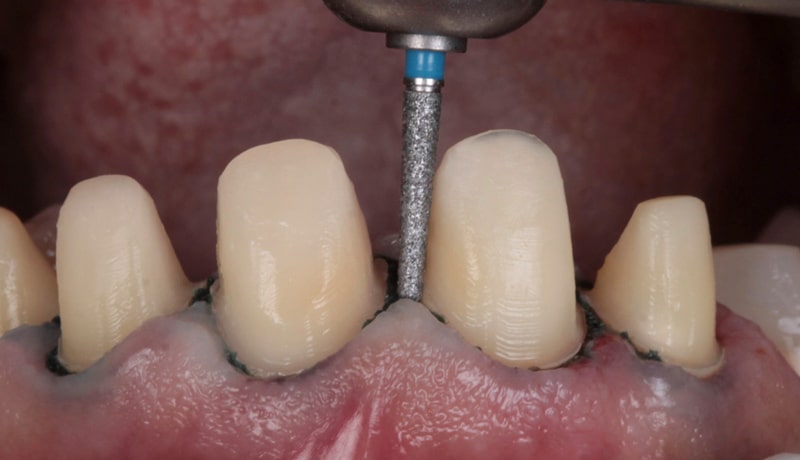
Shaving teeth is one of the main steps in veneer installation, which helps to create enough space and better and more natural placement of the veneer. The amount of tooth grinding usually varies between 0.5 to 2 mm and its exact amount depends on the type of coating, the condition of the tooth and the skill of the dentist:
- Metal coating: About 0.5 to 1 mm grinding is enough (the least grinding).
- Zirconia coating: about 1 to 1.5 mm (less than normal ceramic due to high resistance).
- PFM coating (metal-ceramic): about 1.5 to 2 mm.
- All-ceramic coating: about 1.5 to 2 mm to create strength and beauty.

 -
Text size
+
-
Text size
+
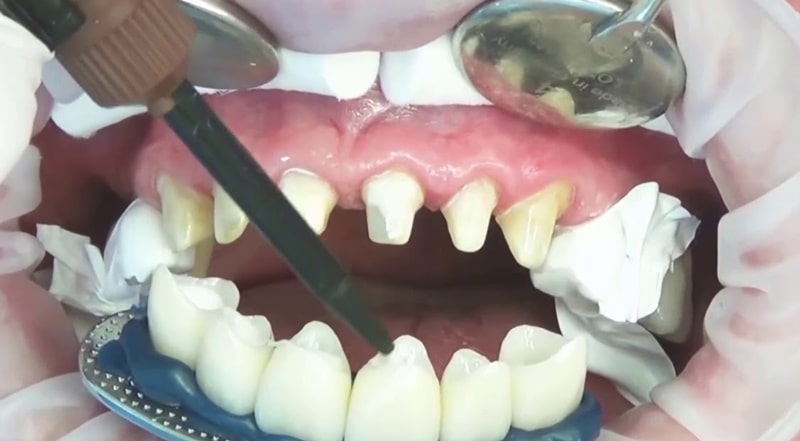
Tooth shaving is one of the main steps in preparing the tooth for installation of dental crown. The purpose of this process is to create enough space to place the crown, maintain proper contact with the adjacent teeth, and prevent protrusions or irregularities in the natural shape of the tooth. The point that should be noted is that the tooth sharpener should be enough to support the appropriate thickness of the veneer, but it should not be too much so as not to damage the pulp (dental nerve). In the following, we will discuss all the points of the amount of tooth grinding for veneer.
Summary of the topic Short description The amount of tooth grinding Usually between 0.5 and 2 mm depending on the type of coating metal coating The lowest cut (0.5-1 mm) Metal-ceramic coating (PFM) Need more cutting (1.5-2 mm) Ceramic coating relatively high cutting (1.5-2 mm); high beauty Zirconia cover Medium cutting (1-1.5 mm); Resistance and beauty together Important tips High accuracy, prevent nerve damage, prevent caries Pain and sensitivity It is usually controlled with anesthesia; The sensitivity is temporaryFactors affecting the amount of tooth grinding for veneers

In this process, the dentist tries to preserve the tooth enamel as much as possible and does not damage the dentin. Local anesthesia is usually used to reduce discomfort, but overall the pain is tolerable. After sharpening, the sensitivity of the teeth to heat or cold is normal and will disappear within a few days.
In addition to improving the fit and natural appearance of the veneer, tooth scraping prevents the accumulation of bacteria and tooth decay. However, excessive sharpening may cause problems such as severe sensitivity, gingivitis or even the need for nerve extraction.
Several important factors affect the amount and manner of tooth grinding:
- Type of cover: Ceramic covers need more thickness.
- Degree of tooth decay or damage: Damaged teeth may need more or less grinding to preserve the remaining structure.
- Teeth position: The front and back teeth are different, the front teeth are important for the beauty of a more precise cut and the back teeth are important for resistance to chewing pressure.
- Protective pulp shaving: In sensitive teeth, the dentist may prevent damage to the nerve by protective pulp shaving.
- Experience and skill of the dentist: Skill in precise grinding reduces the need for additional grinding and preserves the tooth structure.
Read more:
The amount of tooth grinding is done to prepare the tooth so that the veneer can be installed well. Tooth grinding should be done enough to provide enough space for the veneer, but not too much so as not to damage the natural structure of the tooth and the pulp. In the following, we describe the amount of tooth grinding for all types of dental veneers:
Cutting rate of metal coating
Metal coating needs 0.5-1 mm cutting, because metal has a high resistance to chewing pressure and with a small thickness, it has a good performance. Less grinding preserves more of the natural tooth structure and reduces the risk of damage to the dental pulp. For this reason, this type of coating is suitable for back teeth that have high chewing pressure.
Cutting rate of PFM coating (metal-ceramic)
The amount of grinding required for this coating is about 1.5-2 mm to create enough space for the ceramic coating on the metal. This sharpening makes the coating, in addition to strength, have a natural appearance and the same color as other teeth. Also, proper grinding helps to maintain contact with the adjacent teeth and prevent protrusions or defects in the coating.
Cutting rate of all ceramic coating
For all-ceramic veneers, tooth grinding is done between 1.5 and 2 mm so that the ceramic has sufficient resistance to chewing pressure. A deeper cut helps create enough space for the thickness of the ceramic, resulting in a veneer that looks both strong and natural. Because of its beauty, this cover is mostly used for front teeth.
Cutting rate of zirconia coating
Zirconia coating needs a thickness of 1-1.5 mm. This material has a very high resistance. Therefore, it is possible to create a beautiful and strong coating with less grinding than normal ceramics. Proper grinding makes the tooth less damaged and guarantees a long life of the veneer. Also, precise installation of zirconia cover prevents decay and accumulation of bacteria around the tooth.
What is the reason for tooth grinding for veneers?
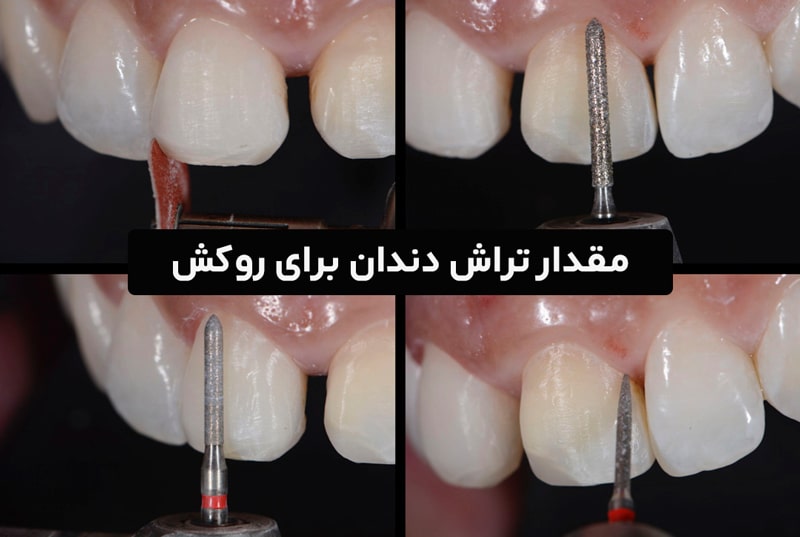
The purpose of the lathe is to create a suitable space for the exact installation of the coating. Reason for tooth grinding for coating; They consist of:
- Creating enough space for the veneer: Each type of veneer, depending on the material and thickness required, needs a certain space to be placed on the tooth. Proper cutting makes the coating not too prominent or uncomfortable when chewing.
- Maintaining the correct contact with the adjacent and opposite teeth: Tooth grinding accurately maintains the natural contact of the teeth with the side teeth and the opposite teeth and prevents bite problems.
- Increasing the durability and strength of the veneer: Proper sharpening optimizes the distribution of chewing pressure on the surface of the tooth and reduces the possibility of breakage or separation of the veneer.
- Preventing damage to the tooth pulp: Accurate and measured cutting, will not damage the healthy part of the tooth and the pulp, and after installing the veneer, the tooth will not suffer severe sensitivity.
Note: The amount of grinding for veneer is usually between 0.5 and 2 mm, which will be different depending on the type of veneer (metal, PFM, ceramic, zirconia).
To know about The best veneer doctor in Click Tehran
Does it hurt to shave teeth for a veneer?
The tooth scraping for veneers is usually painless, because local anesthesia is used before the work begins. After the anesthesia wears off, the tooth may become a little sensitive to cold, heat, or the pressure of chewing, which usually decreases temporarily and within a few days, and maintaining oral hygiene and avoiding hard foods helps to reduce it.
Table of grinding amount for dental veneers
The tooth shaving is usually done in a conical shape so that the coating is well placed on the tooth and the contact with the adjacent teeth is maintained. In the following, we checked the amount of tooth grinding according to the important points:
Cover type Required cutting thickness Description Metal coating 0.5-1 mm Due to the high strength of the metal, low grinding is sufficient and the tooth structure is preserved. Metal-ceramic coating 1.5 to 2 mm It creates enough space for the ceramic on the metal and ensures the beauty and strength of the coating. All ceramic coating 1.5 to 2 mm For sufficient ceramic resistance and natural tooth appearance, deeper cutting is necessary. Zirconia cover 1 to 1. 5 mm The high resistance of zirconia makes it possible to make a strong and beautiful coating with less cutting.Conclusion
Tooth shaving is a vital stage for veneers, which ensures the durability and beauty of veneers with the correct accuracy. The amount of sharpening depends on the type of coating, the position of the tooth, and the condition of the tooth, and it is very important to follow its principles.
At Amitis dental clinic, this work is done with high precision and long lasting; For consultation and appointment, contact us now and have a healthy and beautiful smile.
FAQ
What is the amount of tooth grinding for each type of veneer?
The amount of cutting is different depending on the type of cover; Metal 0.5 to 1 mm, PFM and all ceramics 1.5 to 2 mm, zirconia 1 to 1.5 mm.
Why is the cutting thickness for ceramic coatings more than metal?
Ceramic has less resistance than metal and needs more thickness to be durable and beautiful.
Can excessive tooth grinding cause damage to the pulp?
Yes; Excessive sharpening may damage the nerve of the tooth, which is why accurate and measured sharpening by the dentist is very important.
How is tooth shaving done and why is the conical shape important?
The cutting is usually done in a conical shape so that the veneer fits well on the tooth and maintains proper contact with the adjacent teeth.
Read more: Dental veneer cost 1404
Does tooth sharpening affect the durability and beauty of the veneer?
Yes; Proper grinding makes the coating strong and has a natural appearance and harmonious with the adjacent teeth.
Does the position of the teeth (front or back) change the amount of sharpening?
Yes; The front teeth are more important for beauty and the back teeth to bear the pressure of chewing; Therefore, the amount of sharpening is chosen according to the position of the tooth.
What is the difference between tooth sharpening for veneer and tooth sharpening for laminate?
The cut for the veneer is usually deeper (0.5 to 2 mm) to maintain the strength and durability of the veneer, while the cut for the laminate is very shallow and is often between 0.3 and 0.7 mm.
Approved by:Dr. Shaghaig Parvizi
Dental clinic Amytis
Amitis Dental Clinic, managed by Dr. Mohammad Parsa and specialized in cosmetic, restorative and implant treatments for more than 15 years, is one of the reputable dental clinics with modern equipment and experienced team in Tehran. This center has provided more than 10,000 successful services to patients, and Amitis Dentistry, in addition to treating domestic patients, has also treated international and foreign patients.
previous post
Next post
Cancel Answer

مقالات دیگر از Dr. Mehsa Ensi

هزینه پر کردن دندان ۱۴۰۴ + تعرفه دقیق انواع پرکردگی | آمیتیس
هزینه انواع پر کردن دندانهزینه پر کردن دندان با عصب کشیعوامل موثر در قیمت هزینه پر کردن دندان بسته به نوع ماده، تعداد سطوح دندان و میزان آسیب متفاوت است. پرکردگی با آمالگام معمو...

تفاوت ایمپلنت تک مرحله ای و دومرحله ای | مقایسه مراحل
ایمپلنت تک مرحله ایایمپلنت دو مرحله ایمقایسه مراحل درمانمقایسه مزایا / معایبتفاوت مدت زمان درمانبررسی هزینهکدام بهتره؟ ایمپلنت های دندانی به دو روش اصلی انجام میشوند: تکمرحله...

عصب کشی دندان لمینت شده امکان دارد؟ + نحوه انجام
آیا امکان پذیر است؟مراحل هزینهمزایا / معایب عصب کشی دندان لمینت شده زمانی انجام میشود که دندان زیر لمینت دچار پوسیدگی، التهاب یا آسیب عصبی شود. چون لمینت فقط سطح بیرونی دندان ر...

روکش ایمپلنت پیچی یا چسبی؟ +مزایا،معایب و کدام بهتر است؟
ایمپلنت با اتصال پیچیمزایا / معایب ایمپلنت پیچیروکش ایمپلنت با اتصال چسبیمزایا / معایب اتصال چسبیکدام بهتره برای انتخاب؟ در مرحله پایانی کاشت ایمپلنت دندان، روکش دندان روی پایه...

علت درد دندان هنگام جویدن و راه درمان آن | آمیتیس
شایع ترین علتتشخیصراه های کاهش دردعلائم را نادیده نگیرید درد دندان هنگام جویدن یکی از شایعترین نشانههایی است که می تواند خبر از وجود یک مشکل جدی در دندان یا لثه بدهد و نباید ن...

What is the success rate of dental implants in different people? | Amytis
Implant success

Introducing the 10 best clinics and implant centers in East Tehran Amytis

Korean Biotem implant Price, durability and benefits Amytis
What is it?

Dentium implant (Korean) with 98% success Price, benefits, complications
Dentium Implant WhatAdvantages / Complicationstypes Dentium fixture

Tooth sensitivity after composite
Tooth sensitivity after composites and dental treatments is one of the common problems that many patients may face. One of the common methods of repairing damaged or discolored teeth is the use of com...

Reasons for falling dental laminate
In today's world, the beauty and health of teeth is more important than ever.. One of the most common methods to improve the appearance of teeth and correct minor problems is dental laminates. Dental...

Durability of dental composite
The durability of dental composites depends on various factors, including the quality of materials used, installation techniques and follow-up care. For dental restorations that are placed in areas wi...

SEO site management services
Search engine optimization (SEO) services help you to rank your website higher in the search results of Google and other search engines.

Implementation of branding and digital advertising
Digital branding means creating a strong and distinctive brand in the digital space for a company or a specific product. This process involves using digital methods and strategies to build and strengthen the brand.

Website design for companies and businesses
Website design for companies and businesses can help you have a stronger online presence and attract more customers. Contact us for more information.
