
10 golden ways to maintain heart health and prevent cardiovascular diseases

10 effective ways to maintain heart health and prevent cardiovascular diseases
In recent years, due to unhealthy lifestyle, air pollution, stress, etc., heart diseases are known as one of the main causes of death all over the world. There are effective methods to prevent cardiovascular diseases, which are described in this article by Dr. Seyed Alireza Najafi - cardiovascular specialist-. If you care about the health of your heart, accompany us in this article.
Easy accessShare content
Instagram Facebook X-twitter TelegramThe importance of preventing cardiovascular diseases
Heart diseases, which include heart attack, stroke, heart failure and peripheral vascular diseases, are an important factor in people's risk of ringworm. Prevention of cardiovascular diseases is important in many ways, which can be easily prevented by receiving heart consultation from a cardiologist. Among these reasons, we can mention things such as reducing mortality, improving the quality of life due to maintaining health and individual independence, and reducing the possibility of contracting related diseases such as diabetes and blood pressure, etc. Due to this degree of importance, there are various ways to prevent cardiovascular diseases, which we discuss in detail.
Ways to prevent cardiovascular diseases
1-Healthy and balanced nutrition
Having a healthy diet and maintaining a balance in the diet leads to the general health of the body and especially the heart. Healthy eating leads to the supply of nutrients needed by the body. Fiber, potassium, omega fatty acids and antioxidants are key nutrients for heart health. Fruits and vegetables rich in vitamins, whole grains containing fiber and vitamins and minerals, low-fat proteins as a source of calcium and vitamin D, and healthy fats for brain and heart health are the four main food groups necessary in a healthy diet.
On the other hand, in a healthy diet, limiting the use of saturated fats, salt, sugar and processed foods is necessary to prevent cardiovascular diseases. Finally, following tips such as having regular meals, cooking at home, reading food labels, drinking enough water and consulting a nutritionist are also effective in reducing cardiovascular diseases. An example of a healthy diet during a day is as follows:
- Breakfast: Oatmeal with fresh fruits and nuts
- Lunch: Salad with grilled chicken or fish
- Dinner: Baked fish with steamed vegetables
- Snack: fruit, low-fat yogurt or nuts

2-regular exercise
One of the most important pillars of maintaining heart health and preventing cardiovascular diseases is regular exercise.
Benefits of exercise to prevent cardiovascular diseases
- Strengthens the heart muscle: Exercise makes the heart muscle stronger and helps it pump blood more efficiently.
- Lower blood pressure: Regular exercise helps lower high blood pressure, which is one of the main risk factors for heart disease.
- Reduction of bad cholesterol (LDL): Exercise lowers the level of bad cholesterol and increases the level of good cholesterol (HDL).
- Weight control: Exercise helps burn calories and maintain a healthy weight, which reduces the risk of heart disease.
- Improving blood circulation: Exercise improves blood circulation and helps to deliver better oxygen to body tissues.
- Reduce stress: Exercise reduces stress and helps improve mental health.
Types of sports suitable for heart health and prevention of cardiovascular diseases
- Aerobic sports: such as fast walking, running, swimming, cycling and dancing increase the heart rate and thus strengthen it.
- Strength exercises: These exercises such as weight lifting, body weight exercises (such as Swedish swimming and squats) and using resistance bands strengthen the heart muscles.
Doing aerobic exercises for 150 minutes a week, as well as strength training twice a week as a regular exercise, has a positive effect on maintaining health.
3-Maintain proper weight
Since overweight or obesity increases the risk of cardiovascular disease risk factors such as type 2 diabetes and blood pressure, having an appropriate weight is one of the most effective factors in preventing cardiovascular disease. Maintaining a healthy diet, and controlling calorie consumption, changing the conditions in which you tend to overeat, setting realistic goals, and persistence are important strategies for weight control.
4- Quit smoking
If you smoke, know that one of the most important measures to improve heart health and prevent cardiovascular diseases is to quit smoking.

The importance of quitting smoking
Quitting smoking reduces the following risks:
- Risk of cardiovascular diseases: Smoking narrows blood vessels, increases blood pressure and increases the risk of blood clots.
- Risk of stroke: Smoking increases the risk of stroke by 2 to 4 times.
- Danger of lung cancer: Smoking is the main cause of lung cancer.
On the other hand, quitting smoking causes the following positive effects.
- Improving lung function: Smoking damages the lungs and causes shortness of breath and cough. Quitting smoking improves lung function.
- Increasing life expectancy: Quitting smoking increases life expectancy and improves quality of life.
To quit smoking according to individual conditions, one can use methods of sudden quitting, gradual quitting and using smoking cessation drugs.
5- blood pressure control
High blood pressure is a factor that is known as a silent killer due to its importance. Having high blood pressure is one of the most important risk factors for cardiovascular diseases, stroke and kidney failure, and its control plays a vital role in preventing cardiovascular diseases. Regular measurement of blood pressure, lifestyle changes, including healthy diet and exercise, and medication prescribed by a doctor are among the most important ways to control blood pressure.
6- blood cholesterol control
Cholesterol is a fatty substance that exists in all cells of the body. The presence of excessive cholesterol in the blood leads to an increase in the risk of cardiovascular diseases, so its control plays an important role in the prevention of cardiovascular diseases, reducing the bad type of cholesterol and increasing the good type reduces the risk of heart diseases. Conducting periodic tests to measure the cholesterol level and reducing the consumption of saturated and trans fats, increasing the consumption of fiber and consuming foods containing omega-3, and finally using cholesterol-lowering drugs are among the ways to control blood cholesterol.
7-blood sugar control
In all people, especially those who have diabetes, blood sugar control plays an important role in preventing cardiovascular diseases. Fluctuations in blood sugar, whether high or low, have serious consequences for heart health. High sugar causes complications such as damage to blood vessels, kidneys, nerves, and eyes, and low sugar causes complications such as tremors, sweating, dizziness, convulsions, confusion, and finally coma. Measuring blood sugar regularly, controlling the consumption of carbohydrates and sugars and having regular meals, avoiding stress, and in some cases drug therapy with the opinion of a specialist doctor helps to control blood sugar.
8-Stress management
In today's life, having stress is inevitable, but it can be managed in various ways. Unmanaged stress has negative physical and psychological effects on a person and over time causes malfunctions in various organs of the body, including the heart.
Stress management refers to the set of ways that lead to its control, which will lead to heart health and prevention of cardiovascular diseases. Identifying factors that cause stress, including work-related issues, financial problems, interpersonal relationships, and illness, and finding appropriate solutions to solve them, proper nutrition, adequate sleep, and stress-reducing techniques such as yoga, meditation, music therapy, and tai chi are some of the stress management solutions.

9-Restriction on alcohol consumption
Alcohol is a toxic substance that can affect all parts of the body. Excessive alcohol consumption can cause irreparable side effects, including damage to the heart, and also increases the risk of liver disease, cancer, cardiovascular disease, and stroke, and leads to addiction and dependence. Since high consumption of alcohol causes high blood pressure, observing moderation and limiting its consumption can help prevent cardiovascular diseases.
10-regular examinations
Performing regular and periodic examinations as one of the ways to prevent cardiovascular diseases helps the doctor to identify the risk factors, if any, and examine the health of the heart, and if necessary, consider preventive and therapeutic measures. Physical examination, blood test, electrocardiogram, echocardiography and stress test are among these examinations. In this regard, it is recommended that people over 40 years of age, as well as men and women at higher risk, people with a family history of heart diseases, and people with risk factors such as diabetes and pressure, etc., regularly perform heart examinations.
The importance of regular examinations
- Early detection: Regular examinations help the doctor to detect heart diseases in the early stages, when treatment is most effective.
- Identifying risk factors: A doctor can identify risk factors for heart disease such as high blood pressure, high cholesterol, and diabetes.
- Evaluation of heart health: Regular checkups help your doctor assess your heart health and take preventive measures if necessary.
- Provide advice: Your doctor can give you advice on healthy lifestyle, including diet, exercise and smoking cessation
- As mentioned in this article, you can prevent the occurrence of heart diseases by having a healthy heart. If you need consultation or medical examinations in this way, by referring to Mr. Dr. Seyed Alireza Najafi, who has a specialized cardiology board, together with a group of trained and experienced people, ensure the health of your heart and have a successful experience in the prevention of cardiovascular diseases.
 Why care about leg veins? Solutions to prevent vascular problems
02
April
Why care about leg veins? Solutions to prevent vascular problems
02
April
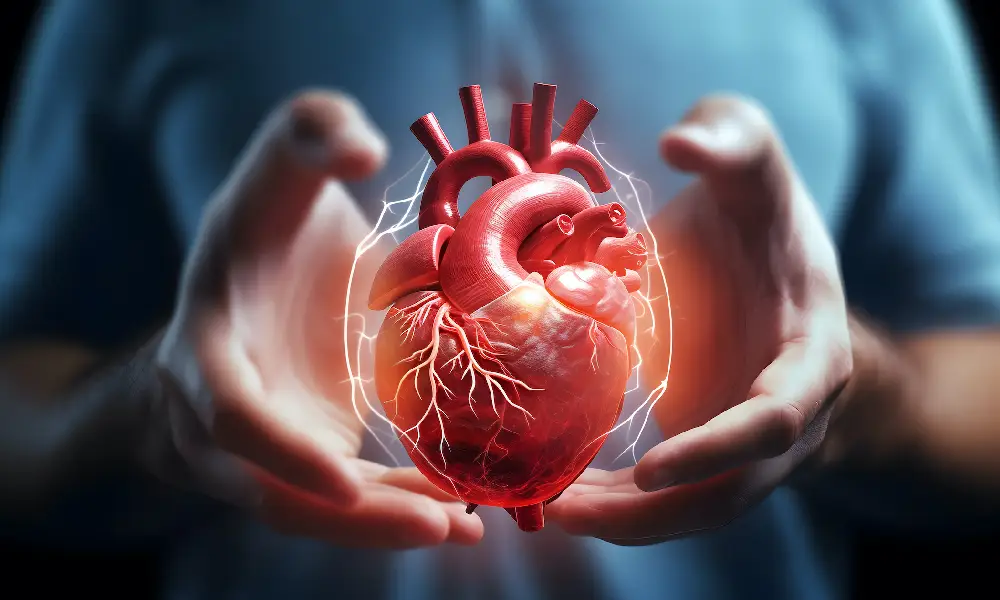 10 effective ways to maintain heart health and prevent cardiovascular diseases
02
April
10 effective ways to maintain heart health and prevent cardiovascular diseases
02
April
 introduction of several home treatment methods for varicose veins
07
D
introduction of several home treatment methods for varicose veins
07
D
 Preparation before taking an ECG; Should we be fasting to take an ECG?
07
D
Preparation before taking an ECG; Should we be fasting to take an ECG?
07
D
 The least dangerous methods of treating coronary artery occlusion
07
D
The least dangerous methods of treating coronary artery occlusion
07
D
 3-day apple weight loss diet
07
D
Your comments
0
0
votes
Article Rating
Subscribe to
Login
0 Comments
the oldest
the most recent
The most votes
Feedback (Feedback) inline
View all comments
3-day apple weight loss diet
07
D
Your comments
0
0
votes
Article Rating
Subscribe to
Login
0 Comments
the oldest
the most recent
The most votes
Feedback (Feedback) inline
View all comments
مقالات دیگر از Dr. Seyed Alireza Najafi

Review of 7 ways to prevent high blood pressure - Dr. Seyed Alireza Najafi
Review of 7 ways to prevent high blood pressure High blood pressure means that your heart is pumping blood around the body more forcefully. This extra pressure can damage blood vessels an...

What is normal blood pressure? - Dr. Seyed Alireza Najafi
What is normal blood pressure? Blood pressure is the force with which the blood presses against the walls of the vessels. This force is like water being forced out of a hose. The higher t...

How are pulmonary function tests? - Dr. Seyed Alireza Najafi
What are pulmonary function tests? Pulmonary function tests are a series of tests that help doctors evaluate how well your lungs are working. These tests can help diagnose and track lung...

Varicose vein treatment methods - Dr. Seyed Alireza Najafi
Types of varicose vein treatment methods Varicose veins are swollen and twisted veins that are often seen in the legs. These veins are created due to failure of venous valves and accumula...

Care after angiography at home Dr. Seyed Alireza Najafi
Care after angiography at home Dos and don'ts Care after angiography at home is very important for the healing process to go well and to avoid possible complications. By following the ti...

Treatment of hand pain after angiography Dr. Seyed Alireza Najafi
Know the techniques for treating hand pain after angiography! Since today angiography is considered one of the most important and reliable methods in the field of diagnosis and treatment...

How is echocardiography performed? | Its cost, steps and complications
What is a cardiac echocardiogram? Transesophageal Echocardiography (TEE) is one of the advanced and accurate heart imaging methods that provides more comprehensive information than conven...

cause of chest pain; From heart diseases to lung and digestive problems
What is the cause of chest pain? Introduction of prevention and treatment methods The onset and duration of any disease in the body is associated with the development of symptoms and com...

treatment of varicose veins with laser; Say goodbye to varicose veins
Getting to know the methods of laser treatment of varicose veins Varicose veins, especially varicose veins of the legs, are among the most common diseases that, in addition to creating a...

7-day hydrotherapy regimen; Is it worth losing 3 to 4 kilos?
Seven-day hydrotherapy diet, the best fast weight loss diet The effect of any type of diet on a person depends on his physical condition, lifestyle and metabolic characteristics of his bo...

Fatty liver treatment diet; 3 of the best fatty liver diets
Is it possible to treat fatty liver with diet? Fatty liver treatment diet Today, fatty liver is one of the common diseases. One of the questions that most people with this disease have is...

How to take an ECG | The easiest way to diagnose heart diseases
How to take an ECG? Taking an electrocardiogram is a simple, painless and risk-free test that a doctor prescribes to check the electrical activity of the heart. The results of an electro...

SEO site management services
Search engine optimization (SEO) services help you to rank your website higher in the search results of Google and other search engines.

Implementation of branding and digital advertising
Digital branding means creating a strong and distinctive brand in the digital space for a company or a specific product. This process involves using digital methods and strategies to build and strengthen the brand.

Website design for companies and businesses
Website design for companies and businesses can help you have a stronger online presence and attract more customers. Contact us for more information.
