
10 What are the causes of bleeding gums? - Dr. Mehdi Ali Babaei

10 What are the causes of bleeding gums?
Dr. Mehdi Ali Babaei > Blog > Weblog > 10 What are the causes of bleeding gums?
- March 20, 1401
- dr.alibabaei
- Views: 0
- blog
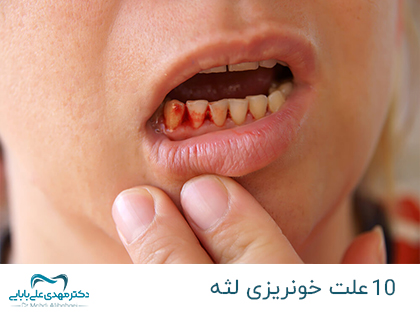
In this article, we will talk about 10 common causes of bleeding gums and how to prevent it from becoming a bigger problem for oral and dental health.
Why do gums bleed?
Table of Contents
There are a number of reasons why gums may bleed, and it could be something as simple as brushing or flossing incorrectly, or it could be due to something bigger, like a serious health condition.
What are the common causes of bleeding gums?
Some common causes of bleeding gums are:
- Gingivitis
- medicines
- New flossing routine or improper flossing
- Using a new toothbrush or brushing too hard
- Bad oral hygiene habits
- Pressure
- Inappropriate bite
- Smoking
- A disease such as diabetes, leukemia or vitamin deficiency
-
Gingivitis
One of the most common causes of bleeding gums is gingivitis, an oral health condition that occurs when bacteria along the gum line are not properly removed. Gingivitis is the first stage of gum disease. Symptoms include sensitive and swollen gums, redness, bad breath, receding gums, and in some cases bleeding gums during brushing and flossing. Plaque build-up around the gum line can harbor all kinds of bad bacteria that lead to bleeding and sensitivity. In the initial stage, gum inflammation can be stopped and reversed.
-
Drugs
Some medications can cause gum sensitivity or bleeding gums. For example, blood thinners reduce the blood's ability to clot and can increase the risk of bleeding in the gum area.
Other medications such as aspirin, birth control pills, nonsteroidal anti-inflammatory drugs, and some blood pressure medications can also increase the risk of gum bleeding. Be sure to tell your dentist about any new medications you're taking, especially if your gums bleed regularly. This helps the dentist identify any oral health problems. Your dentist may also recommend a different oral care routine to help reduce or stop medication-induced bleeding.-
New flossing routine or improper flossing
If your gums bleed after flossing and they have never bled before, the flossing itself could be the cause. If you forget to floss for a few days or increase the frequency of flossing, you may notice minor bleeding gums. This gum bleeding should stop on its own after a few sessions of flossing. If your gums bleed frequently or every time you floss, see your dentist.
Bleeding gums when flossing may also indicate incorrect flossing technique. To floss properly, be sure to slide the floss while brushing gently and bend the floss into a "C" shape to wrap around each individual tooth. Avoid hitting the floss on the gums, which can cause gum irritation and bleeding gums.-
New toothbrush or brushing too hard
A new type of toothbrush can also cause bleeding gums. If you switch from soft bristles to hard bristles, sometimes your gums bleed, which tells you to choose a softer toothbrush. Most dentists recommend a soft toothbrush because it's easier on the gums.
Bleeding gums may also be because you are brushing too hard. While healthy gums should be able to withstand vigorous brushing, you only need to brush vigorously for two minutes to ensure that your teeth are properly cleaned. It's also a good idea to replace your toothbrush every three to four months, especially if you notice that the bristles are falling out.

-
Bad oral hygiene habits
You might be surprised to know that even a temporary lapse in oral hygiene can sometimes cause bleeding gums. Research shows that healthy gums can bleed and become sick with just one day of neglecting proper oral care.
Prevent bleeding by improving your daily oral hygiene habits. Brush your teeth at least twice a day for two minutes and floss every day to remove plaque and prevent swelling and bleeding gums.
-
Bad diet
Some ingredients in processed foods irritate the gums and may cause minor bleeding. For example, starchy foods can get stuck between teeth and turn into sugar, which may contribute to plaque formation. Consuming too much of these types of foods may lead to gum inflammation, bleeding and increased caries.
To avoid this, choose healthier alternatives. Proper nutrition is critical to oral health and helps you get the vitamins and nutrients you need to protect your smile from the inside out. Fruits and vegetables, along with foods rich in calcium, vitamins C and D, and magnesium are all important for maintaining oral health. Make sure you get your recommended daily amount of these nutrients.
-
Stress
Living in a state of constant restlessness and anxiety compromises your immune system and makes it harder to ward off a number of health problems, including oral health problems such as bleeding gums and gum disease.
Stress also causes inflammation throughout the body and can increase the risk of swollen and sensitive gums. Inflammation may also break down the soft tissues in your mouth and slow the healing process of bleeding gums. Try to reduce your stress level as much as possible.
-
Improper canines
If your teeth are misaligned, you may develop "bite disease," in which improper pressure is applied to the wrong places when you bite or grind your teeth.
An improper bite not only affects your teeth, but also the supporting tissue and bone. If you apply repeated pressure to one spot, the gums will recede and the bone will break down, creating a prime spot for gum disease and bleeding gums. Talk to your dentist about solutions for an unbalanced bite.
-
Smoking or vaping
Both smoking and vaping increase the risk of oral and dental problems, including sensitive and diseased gums. When the gums start bleeding, dangerous bacteria trapped between the teeth and the gum line can enter the bloodstream and cause further dental health complications.
If you are concerned about the effects of smoking or cigarette smoking on your oral health, talk to your dentist or doctor about programs to help you quit smoking.
-
Health status
Suggested article What causes gum pain?
For example, diabetes may make it harder for your body to fight germs and put you at risk for infections that can cause bleeding, swollen gums, and even lead to oral health problems like gum disease. Diabetes can also lead to high blood sugar levels, which can make it harder for your body to heal.
Bleeding gums can also be a sign of leukemia, a type of cancer that causes your blood platelets to decrease. With a low blood platelet count, it is more difficult for your body to stop bleeding, especially in the gums.Another reason for bleeding gums may be a vitamin deficiency in vitamin C or vitamin K. Vitamin C helps your body heal itself and strengthen your bones and teeth. Too little vitamin C may make you feel weak and can lead to swollen and bleeding gums. A lack of vitamin K may also prevent blood from clotting in your body, which can also make your gums bleed more easily.
When should you see a dentist?
While many causes of bleeding gums can be addressed with a few lifestyle changes, it's always a good idea to see your dentist if your gums are bleeding frequently. A dental health provider can perform a thorough exam of your mouth and help you determine the cause of your bleeding gums and provide you with long-term solutions to keep your smile in shape!
Tags: Oral hygiene and ToothWrite your opinion Cancel reply
مقالات دیگر از Dr. Mehdi Ali Babaei


SEO site management services
Search engine optimization (SEO) services help you to rank your website higher in the search results of Google and other search engines.

Implementation of branding and digital advertising
Digital branding means creating a strong and distinctive brand in the digital space for a company or a specific product. This process involves using digital methods and strategies to build and strengthen the brand.

Website design for companies and businesses
Website design for companies and businesses can help you have a stronger online presence and attract more customers. Contact us for more information.
