العلاج بالمغناطيس – العلاج الطبيعي بالمانا

عيادة مانا للعلاج الطبيعي
طهرانشيفا شهبازي - علاج طبيعي
العلاج المغناطيسي
يعد العلاج المغناطيسي أحد الأساليب العلاجية الجديدة التي تساعد على تحسين صحة الإنسان باستخدام المجالات المغناطيسية. تعتمد هذه التقنية في العلاج الطبيعي على المبادئ الفيزيائية للمغناطيسية وتأثيراتها على جسم الإنسان.
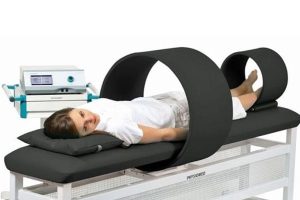
ماذا يعني العلاج بالمغناطيس أو العلاج بالمغناطيس؟
العلاج بالمغناطيس هو طريقة علاجية بديلة تعتمد على استخدام المجالات المغناطيسية لتحسين الصحة وتقليل أعراض الأمراض والمشاكل الصحية. في هذه الطريقة، يتم استخدام مغناطيس خاص كأدوات علاجية.
يمكن أن يكون للمجالات المغناطيسية الناتجة عن المغناطيس تأثيرات عديدة على الجسم. وتشمل هذه التأثيرات تقليل الألم، وتقليل الالتهاب، وتحسين الدورة الدموية، وتخفيف التوتر والقلق، وتحسين نوعية النوم. يستخدم العلاج بالمغناطيس لعلاج حالات مختلفة بما في ذلك آلام المفاصل والعضلات والتهاب المفاصل والصداع النصفي وآلام الظهر والتوتر والقلق وبعض الأمراض الالتهابية. تُستخدم هذه الطريقة، مثل العلاج بموجات الصدمة، كمكمل أو بديل للعلاجات التقليدية. ملحوظة: قد يكون العلاج بالمغناطيس فعالاً في بعض الحالات، لكن قبل استخدامه لحالات معينة، ينصح باستشارة طبيبك لتحديد أفضل طريقة علاجية لك. كيف يعمل العلاج بالمغناطيس يعمل العلاج بالمغناطيس على أساس تأثيرات المجالات المغناطيسية على صحة جسم الإنسان. يتم إرسال هذه الحقول إلى جهاز مغناطيسي يتم وضعه بالقرب من الجسم. وعندما يكون الجسم على اتصال بهذه المجالات يتغير حجم وشدة التيارات الكهربائية داخل أنسجة الجسم. يمكن أن تساعد هذه التغييرات في التيارات الكهربائية على التوازن البيولوجي للجسم وتخلق تأثيرات إيجابية على الصحة.
مزايا العلاج بالمغناطيس
يتمتع العلاج بالمغناطيس كطريقة علاج بديلة بالعديد من المزايا. ومن أهم المزايا ما يلي:
1. تقليل الألم والالتهابات
يمكن أن يساعد العلاج المغناطيسي في تقليل الألم المزمن والالتهابات. يمكن أن تقلل التأثيرات المغناطيسية من مضاعفات الالتهاب وتخفف الألم.
2. زيادة الدورة الدموية
يمكن أن يساعد استخدام العلاج بالمغناطيس في تحسين الدورة الدموية في الجسم. هذه الزيادة في الدورة الدموية يمكن أن تساعد في تغذية الأنسجة والخلايا بشكل أفضل. 3. تحسين النوم
أبلغ العديد من الأشخاص عن تحسن في جودة النوم بعد استخدام العلاج بالمغناطيس. يمكن أن تساعد المجالات المغناطيسية في تخفيف القلق والتوتر، مما يحسن النوم.
استخدامات العلاج بالمغناطيس
يتم استخدام العلاج بالمغناطيس في حالات مختلفة لتحسين الصحة وتقليل أعراض الأمراض. سيتم مناقشة بعض استخدامات هذه التقنية أدناه:
1. تقليل آلام المفاصل والعضلات
يمكن أن يساعد العلاج المغناطيسي في تقليل آلام المفاصل والعضلات والالتهابات. من الممكن أن يستفيد من هذه التقنية الأشخاص الذين يعانون من أمراض مرتبطة بالتهاب المفاصل، مثل التهاب المفاصل أو التهاب العضلات.
2. إدارة الألم المزمن
قد يكون لدى الأشخاص الذين يعانون من آلام مزمنة مثل آلام الظهر أو آلام الرقبة أو آلام الصداع النصفي تجارب إيجابية مع العلاج بالمغناطيس. يمكن أن يساعد هذا العلاج في تحسين نوعية حياتهم.
3. تحسين الدورة الدموية
يمكن أن يساعد العلاج المغناطيسي في تحسين الدورة الدموية في الجسم. هذا التحسن في الدورة الدموية يمكن أن يؤدي إلى تغذية أفضل للأنسجة وزيادة إمدادات الأكسجين إلى الخلايا. 4. تحسين جودة النوم
أبلغ العديد من الأشخاص عن تحسن جودة النوم بعد استخدام العلاج بالمغناطيس. يمكن أن يساعد هذا العلاج في تخفيف القلق والتوتر، مما يحسن النوم.
5. إدارة الألم بعد الجراحة
قد يعاني بعض الأشخاص من الألم وعدم الراحة بعد الجراحة. يمكن أن يساعد العلاج بالمغناطيس في إدارة الألم بعد الجراحة ويساعد على شفاء الأنسجة المصابة بشكل أسرع.
6. زيادة الطاقة
أبلغ بعض الأشخاص عن زيادة الطاقة والحيوية بعد استخدام العلاج بالمغناطيس. هذه الزيادة في الطاقة يمكن أن تساعد الأشخاص على أن يكونوا أكثر فعالية في أنشطتهم اليومية.
ملاحظة: قبل استخدام العلاج بالمغناطيس لأي حالة محددة، يوصى باستشارة طبيب أو متخصص للتأكد من أن هذه الطريقة مناسبة وآمنة بالنسبة لك.
ما هي فوائد استخدام العلاج بالمغناطيس في العلاج الطبيعي؟
استخدام العلاج بالمغناطيس في العلاج الطبيعي كأحد طرق العلاج البديلة، له العديد من المزايا. فيما يلي بعض هذه الفوائد:
- تقليل الألم: أحد الفوائد المهمة للعلاج المغناطيسي في العلاج الطبيعي هو تقليل الألم. يمكن أن تساعد المجالات المغناطيسية في تخفيف آلام المفاصل والعضلات والأنسجة الرخوة. هذه الميزة مفيدة بشكل خاص للأشخاص الذين يعانون من الألم المزمن.
- تقليل الالتهاب: يمكن أن يساعد العلاج بالمغناطيس في تقليل التهاب المفاصل والأنسجة الرخوة. وتفيد هذه الميزة في علاج الأمراض الالتهابية مثل التهاب المفاصل والتهاب العضلات. زيادة الدورة الدموية: يمكن أن تساعد المجالات المغناطيسية على تحسين الدورة الدموية في المنطقة المعالجة. هذا التحسن في الدورة الدموية يمكن أن يؤدي إلى تغذية أفضل للأنسجة والخلايا.
- تخفيف القلق والتوتر: قد يساعد العلاج بالمغناطيس في تخفيف القلق والتوتر. تعمل هذه الميزة على تحسين نوعية النوم وتحسين الصحة العقلية للأشخاص.
- سهولة الاستخدام: بما أن العلاج المغناطيسي يتم إجراؤه دون الحاجة إلى الاتصال المباشر بالجلد، يمكن للعديد من الأشخاص الاستفادة بسهولة من هذه الطريقة. تعد هذه الراحة في استخدام العلاج المغناطيسي إحدى مزاياه الأخرى.
ملاحظة: قبل استخدام العلاج المغناطيسي في العلاج الطبيعي، يوصى باستشارة أخصائي العلاج الطبيعي أو الطبيب لتحديد أفضل طريقة علاج لحالاتك المحددة وللتأكد من أن هذه الطريقة مناسبة لك.
ما هي مدة العلاج بالعلاج المغناطيسي؟
قد تعتمد مدة العلاج المغناطيسي على ظروف معينة. يعاني الشخص ويعتمد على عوامل مثل نوع المرض أو المشكلة الصحية، وشدة الأعراض، ونوع العلاج بالمغناطيس، واستجابة الجسم لهذا العلاج. عادةً ما يتم العلاج بالعلاج بالمغناطيس في دورات متكررة، وقد يكون لكل دورة عدد مختلف من الجلسات.
قد يبلغ بعض الأشخاص عن تجارب إيجابية فورًا بعد بضع جلسات من العلاج بالمغناطيس، بينما قد يحتاج آخرون إلى علاج مستمر وطويل الأمد. بالإضافة إلى ذلك، قد يضطر الشخص الذي يعالج بالعلاج بالمغناطيس إلى القيام بتمارين وتوصيات خاصة في المنزل لتحقيق نتائج أفضل.
إن أفضل طريقة لتحديد مدة العلاج بالمغناطيس بالنسبة لك هي استشارة طبيب أو معالج متخصص في هذا المجال. بناءً على حالتك واحتياجاتك المحددة، يمكنه ترتيب خطة علاجية مناسبة وتحديد المدة المناسبة. أيضًا، يمكن للطبيب أو المعالج إجراء تغييرات أثناء العلاج إذا لزم الأمر.
مضاعفات العلاج بالمغناطيس
يعتبر استخدام العلاج بالمغناطيس بشكل عام طريقة علاج بديلة آمنة نسبيًا، ولكن قد يتعرض بعض الأشخاص لمضاعفات أو آثار جانبية. فيما يلي بعض الآثار الجانبية للعلاج المغناطيسي: الحساسية للمواد المغناطيسية: قد يكون لدى بعض الأشخاص حساسية تجاه المواد المستخدمة في معدات العلاج المغناطيسي أو المنتجات المغناطيسية ويعانون من أعراض مثل الحكة أو تورم الجلد. التداخل مع الأجهزة الطبية: قد تتداخل المجالات المغناطيسية القوية مع عمل بعض الأجهزة الطبية مثل أجهزة تنظيم ضربات القلب. (جهاز تنظيم ضربات القلب) أو الأجهزة الإلكترونية الداخلية الأخرى تتداخل. يجب على الأشخاص الذين يستخدمون هذه الأجهزة استشارة الطبيب قبل استخدام العلاج المغناطيسي.
ملاحظة: الآثار الجانبية للعلاج المغناطيسي نادرة وخفيفة بشكل عام. ومع ذلك، إذا كنت تعاني من أعراض غير سارة بعد استخدام العلاج المغناطيسي أو كانت لديك أسئلة، فمن المستحسن رؤية طبيب أو معالج متخصص حتى يمكن فحص مشاكلك وتقديم التوجيه المناسب. أيضًا، إذا كان لديك أجهزة طبية داخلية مثل جهاز تنظيم ضربات القلب، فتأكد من استشارة طبيبك قبل استخدام العلاج بالمغناطيس.
من الذي يقوم بالعلاج بالمغناطيس؟
يتم إجراء العلاج بالمغناطيس من قبل أشخاص لديهم خبرة ومهارات في هذا المجال. يشمل هؤلاء الأشخاص عادةً ما يلي:
- الأطباء المتخصصين: قد يتخصص بعض الأطباء المتخصصين في العلاج بالمغناطيس ويقترحون هذه الطريقة كأحد طرق العلاج البديلة في علاج بعض الأمراض والمشاكل الصحية. يمكن لهؤلاء الأطباء تشخيص المرض بدقة وتحديد الحاجة إلى العلاج بالمغناطيس. أخصائيو العلاج الطبيعي: عادة ما يتخصص أخصائيو العلاج الطبيعي في العلاج الطبيعي وإعادة التأهيل الحركي. قد يستخدم بعض المعالجين الفيزيائيين العلاج بالمغناطيس كجزء من برنامج علاجي لمرضاهم.
- المعالجون بالعلاج بالمغناطيس: هناك معالجون متخصصون حصريًا في العلاج بالمغناطيس ويقدمون هذه الطريقة للمرضى. إنهم يعملون باستخدام معدات خاصة ومعرفة بالمجالات المغناطيسية.
- الممرضون والفنيون: في بعض الحالات، قد يقوم الممرضون والفنيون الطبيون بإجراء العلاج المغناطيسي عندما لا يتوفر طبيب أو معالج متخصص. في هذه الحالة، يجب أن يكون لديهم المعرفة والتدريب المتعلق بالعلاج بالمغناطيس.
ملاحظة: يوصى دائمًا بإجراء العلاج المغناطيسي بواسطة أشخاص خبراء وذوي خبرة. قبل البدء بأي نوع من العلاج المغناطيسي، من المهم استشارة طبيب أو متخصص في هذا المجال لفحص ومراقبة التأثيرات الإيجابية لهذه الطريقة على صحتك.
الرعاية بعد العلاج بالمغناطيس
بعد جلسات العلاج بالمغناطيس، قد تكون بعض الرعاية الخاصة مفيدة لتحقيق أفضل النتائج الممكنة. فيما يلي بعض الاهتمامات المهمة بعد العلاج بالمغناطيس:
- تأكد من إكمال جلسات العلاج: إذا وصف طبيبك أو معالجك عددًا معينًا من جلسات العلاج بالمغناطيس، فتأكد من إجراء جميع الجلسات للعدد المحدد. قد يساعد هذا العلاج المستمر على تحسين صحتك.
- المكملات المغناطيسية: في بعض الحالات، بعد جلسات العلاج بالمغناطيس، قد يوصى باستخدام المكملات المغناطيسية. قد تساعد هذه المكملات في الحفاظ على تأثيرات العلاج.
- توصيات التمارين الرياضية: إذا كان المعالج الخاص بك لديه تمارين وتوصيات محددة لك، فاتبعها. قد تساعد هذه التمارين على زيادة فعالية العلاج بالمغناطيس وتساعد على تقوية عضلاتك وحركاتك.
- العناية بالمنتجات المغناطيسية: إذا تم إعطاؤك أو التوصية بمنتجات مغناطيسية معينة (مثل المغناطيس الدائم)، فاستخدمها بعناية واتبع التعليمات الخاصة بالعناية بها واستخدامها.
- المتابعة مع طبيبك: بعد جلسات العلاج بالمغناطيس، راجع طبيبك أو المعالج بانتظام. استشر نفسك. قد يحتاجون إلى إجراء تغييرات على خطة العلاج الخاصة بك أو اقتراح نصائح خاصة للحفاظ على تعافيك.
- الإبلاغ عن أعراض الانزعاج: إذا واجهت أي أعراض من أعراض الانزعاج أو الحساسية أو الآثار الجانبية غير السارة بعد العلاج بالمغناطيس، فيجب عليك الإبلاغ عنها إلى طبيبك أو المعالج حتى يمكن اتخاذ التدابير المناسبة. لذلك، يُنصح دائمًا بالتحدث مع طبيبك أو معالجك حول الرعاية الخاصة بحالتك.
فوائد العلاج بالمغناطيس
للعلاج المغناطيسي فوائد عديدة نظرًا لانخفاض معدل مضاعفاته، وأكثرها شيوعًا نذكر:
- تسريع إصلاح العظام المكسورة
- التعافي وتخفيف الألم بشكل أسرع
- تقليل تشنجات العضلات والوذمة
- زيادة تدفق الدم و تسريع عملية شفاء الأنسجة
- تقليل التورم والالتهاب والكدمات
- إزالة السموم من الجسم
- تقليل فترة التعافي
- تحفيز استقلاب الكالسيوم في العظام
استخدامات العلاج بالمغناطيس
للعلاج بالمغناطيس العديد من الاستخدامات، أكثرها شيوعاً يمكن ذكرها أدناه باللغة الكردية:
- أنواع التهاب المفاصل بما في ذلك التهاب مفصل الكتف والمفاصل الألم
- اعتلال المفاصل وداء الفقار
- تقلص العضلات
- تشقق وكسر العظام بسبب أي تأثير أو ضغط
- مشاكل وآلام العضلات والمفاصل
- الألم المزمن والالتهاب والألم الشديد مثل العلاج بالمغناطيس لآلام الظهر
- اضطراب إمدادات الدم
- ضيق التنفس
- الجلد الأمراض
- هشاشة العظام
- التعب والصداع والصداع النصفي
- آلام الرقبة والكتف والظهر
- التواءات وإجهاد العضلات
- مرض التصلب المتعدد
- آلام العضلات المزمنة (الألم العضلي الليفي)
- التهاب الأوتار (التهاب الأوتار)
- الروماتيزم والتهاب كيسي المفاصل
- الألم الناجم عن من الشيخوخة
- التعافي بعد الجراحة
موانع استخدام العلاج بالمغناطيس
نظرًا لأن العلاج بالمغناطيس هو طريقة علاج منخفضة المخاطر وآمنة، فإنه يمكن أن يكون خطيرًا جدًا بالنسبة لبعض الأشخاص.
- الأشخاص الذين لديهم بطارية قلب.
- الأشخاص الذين لديهم أجهزة حقن المخدرات تحت الجلد.
- الأشخاص الذين يعانون من أمراض معدية مثل السل.
- الأشخاص الذين يعانون من النزيف والاضطراب وانسداد الأوعية الدموية.
- المصابون بالأورام والكتل الخبيثة.
- الأطفال والحوامل.
- مرض السكري لدى الأحداث.
آلية العلاج بالمغناطيس
في البداية يطلب من المريض ارتداء ملابس مريحة وفضفاضة حتى لا يتضايق أثناء العلاج بالمغناطيس. يتم إجراء العلاج بالمغناطيس أيضًا على الملابس. ثم، اعتمادًا على الجزء المراد علاجه، يُطلب من المريض الاستلقاء على السرير أو الجلوس على كرسي. خلال جلسته قد يشعر المريض ببعض الحرقة والألم، وهو أمر مؤقت وسيقل في الجلسات اللاحقة.
يختلف عدد جلسات العلاج بالمغناطيس حسب حدة أو خفّة حالة المريض باختلاف الأشخاص، لكن في المتوسط، يصف المعالج للمريض من 6 إلى 8 جلسات، ومدة كل جلسة ما بين 15 إلى 45 دقيقة.
كيف يعالج العلاج بالمغناطيس العظم المكسور؟
عند كسر العظم، يستغرق الأمر وقتًا لإصلاح وإعادة بناء العظم المكسور. وتعتمد فترة التعافي هذه على عوامل مختلفة مثل: شدة الإصابة ونوع الكسر، والحالة الصحية والجسدية للمريض، وعمره.
العلاج المغناطيسي هو وسيلة تعمل على تسريع عملية تجديد الأنسجة العظمية، بحيث يؤدي من خلال تحفيز القنوات الأيونية إلى إغلاق إشارات الألم العصبية ويستخدم نبضات بطيئة لتحفيز وتجديد الخلايا في الجسم. بهذه الطريقة، يتم استعادة العظم المكسور الذي تعرض للمجال المغناطيسي عدة مرات في فترة زمنية أقصر ويسمى باللحام.
ويرجع هذا التأثير إلى تحسن الدورة الدموية وتحفيز الغشاء السيتوبلازمي.
الأسئلة المتداولة حول العلاج بالمغناطيس
هل للعلاج بالمغناطيس آثار جانبية؟حتى الآن، لم يتم الإبلاغ عن أي آثار جانبية خطيرة من العلاج بالمغناطيس. ومع ذلك، يجب على الأشخاص الذين لديهم أجهزة طبية داخلية مثل أجهزة تنظيم ضربات القلب استشارة الطبيب أولاً.
ما الذي يمكن أن يستفيد منه الأشخاص من العلاج بالمغناطيس؟يعتبر العلاج المغناطيسي مناسبًا للعديد من الأشخاص، ولكن يجب على الأشخاص الذين لديهم أجهزة طبية داخلية مثل أجهزة تنظيم ضربات القلب طلب المشورة الطبية قبل الاستخدام.
هل العلاج بالمغناطيس مفيد في علاج هشاشة العظام؟نعم. من خلال التأثير على غشاء الخلية، وجزيئات البروتين الموجودة في النسيج الضام للعظام وتنشيط الهيموجلوبين في الخلايا، يقلل العلاج بالمغناطيس من عملية امتصاص الخلايا العظمية ويزيد من تكوين خلايا جديدة.
خدمات العلاج الطبيعي أ> جدولة الزيارة أ>