ما هي أسباب وأعراض التهاب ضرس العقل وكيف يجب علاجه؟ - د.آسو حمزي

دكتور اسو حمزاي
طهرانطبيب أسنان
طب الأسنان في شمال طهران » مقالات طب الأسنان » ما هي أسباب وأعراض عدوى ضرس العقل وكيف يجب علاجها؟
ما هي أسباب وأعراض التهاب ضرس العقل وكيف يجب علاجه؟
- <لي> 6 نوفمبر 1404 لي> <لي> 12:04 مساءً لي> <لي> لا تعليق أ> لي>
التهاب ضرس العقل عادةً ما يكون سببه اصطدام ضرس العقل أو عدم اكتمال نموه وتراكم البكتيريا حوله، مما يسبب الألم والتورم وإفراز القيح ورائحة الفم الكريهة. لعلاج خراج ضرس العقل يجب استخدام المضادات الحيوية أو الخلع أو جراحة ضرس العقل، وإذا تم إهمالها تتحول هذه العدوى إلى عدوى حادة أو تنتشر العدوى إلى الدم. إن مراقبة نظافة الفم والذهاب إلى طبيب الأسنان هي أفضل طريقة للوقاية من هذه العدوى وعلاجها.
ما هو التهاب ضرس العقل
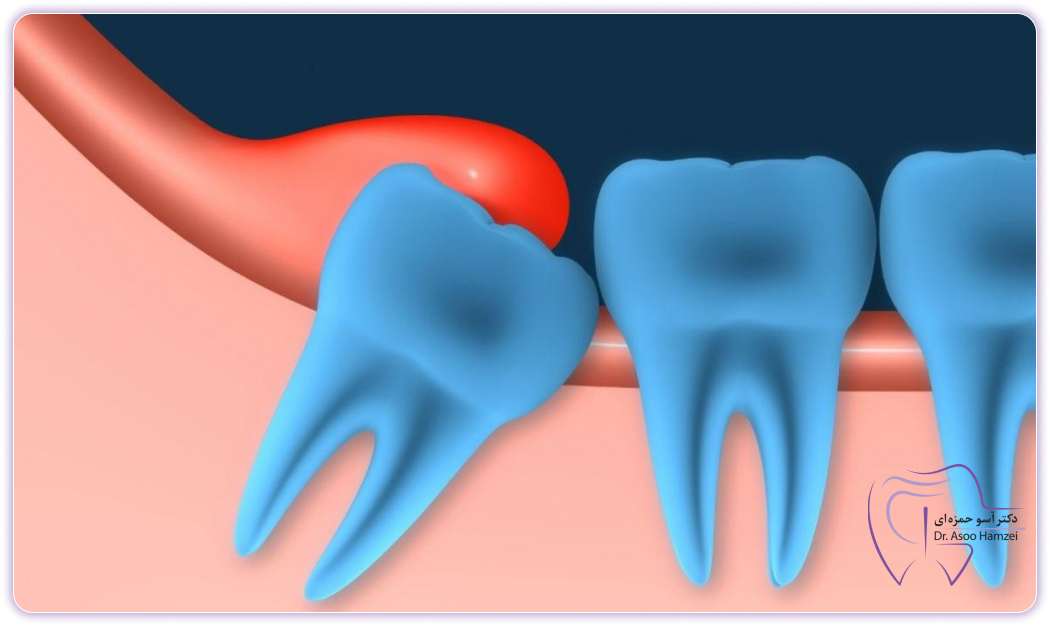
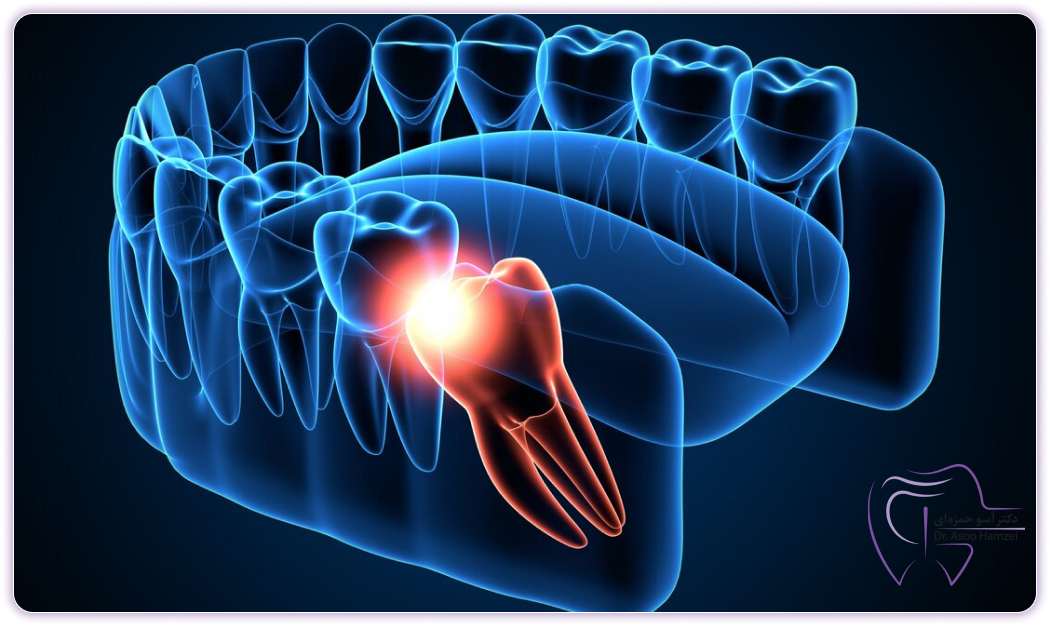
إذا كانت أضراس العقل لديك مطمورة أو منطمرة جزئيًا، أي أنها لم تبرز من اللثة أو إذا كان نصفها قد بزغ من اللثة، فمن الممكن أن تشكل مصدرًا ومكانًا لتراكم البكتيريا والغذاء. في هذه الحالة، تتراكم هذه البكتيريا حول ضرس العقل ويمكن أن تسبب في النهاية خراج ضرس العقل أو خراج ضرس العقل. إذا لم يتم علاج هذه العدوى فإنها يمكن أن تسبب العديد من المشاكل وحتى نقل العدوى إلى الدم وتسبب مخاطر مثل عدوى الدم أو ما هو أسوأ من ذلك، لذلك ينصح بالذهاب إلى طبيب الأسنان في أسرع وقت ممكن لعلاج العدوى.
أعراض وأعراض التهاب ضرس العقل
- ألم شديد ومستمر في منطقة ضرس العقل وما حولها.
- تورم والتهاب اللثة وأحياناً تورم الخد بالقرب من ضرس العقل.
- احمرار وحساسية اللثة حول السن المصاب.
- رائحة الفم الكريهة والطعم الكريه والكريه في الفم بسبب وجود صديد أو إفرازات من منطقة العدوى.
- خروج صديد أو سائل معدي من اللثة.
- صعوبة أو ألم عند فتح الفم ومضغ الطعام.
- الحمى وأحيانًا القشعريرة كأعراض جهازية للعدوى. تضخم وألم في الغدد الليمفاوية تحت الفك
- ألم في الأذن أو التهاب في الحلق يمكن أن يكون ناجما عن انتشار العدوى.
تعتبر هذه الأعراض علامة على وجود التهاب في ضرس العقل، وإذا رأيتها عليك مراجعة طبيب الأسنان فورًا حتى يتم إجراء العلاج المناسب ومنع حدوث مضاعفات خطيرة.
أسباب وأسباب التهاب ضرس العقل
تنتج هذه العدوى عادةً عن مشاكل في النمو وعدم وجود مساحة كافية في الفم، ومن أهمها ما يلي.
- بزوغ ضرس العقل غير المكتمل بسبب ضيق المساحة في الفك، مما يؤدي إلى عدم بزوغ الضرس بشكل كامل وتصبح اللثة المحيطة به بيئة مناسبة لتراكم البكتيريا وبقايا بقايا الطعام. هذه الحالات تسبب العدوى.
- صعوبة تنظيف ضرس العقل المخفي أو شبه المخفي والوصول إليه، خاصة عند تنظيف الأسنان بالفرشاة والخيط، مما يتسبب في تراكم البلاك والبكتيريا ويؤدي في النهاية إلى التهاب اللثة وعدوىها.
- التهاب اللثة (التهاب دواعم السن) حول ضرس العقل، مما يؤدي إلى الإصابة به، خاصة إذا لم يتم علاجه في الوقت المناسب.
- تسوس ضرس العقل والذي يحدث بسبب تراكم البكتيريا في السن وإذا لم يمكن علاجه فإنه يؤدي إلى الإصابة بالعدوى.
- ضعف الجهاز المناعي عند بعض الأشخاص، مما يقلل من مقاومة الجسم للعدوى ويزيد من احتمالية الإصابة بالعدوى في منطقة ضرس العقل.
- عدم مراعاة نظافة الفم والأسنان بعد خلع أو جراحة ضرس العقل، ووجود التهاب أو عدوى سابقة، وعدم إغلاق موقع الجراحة تمامًا يمكن أن يسبب العدوى.
تشخيص التهاب ضرس العقل
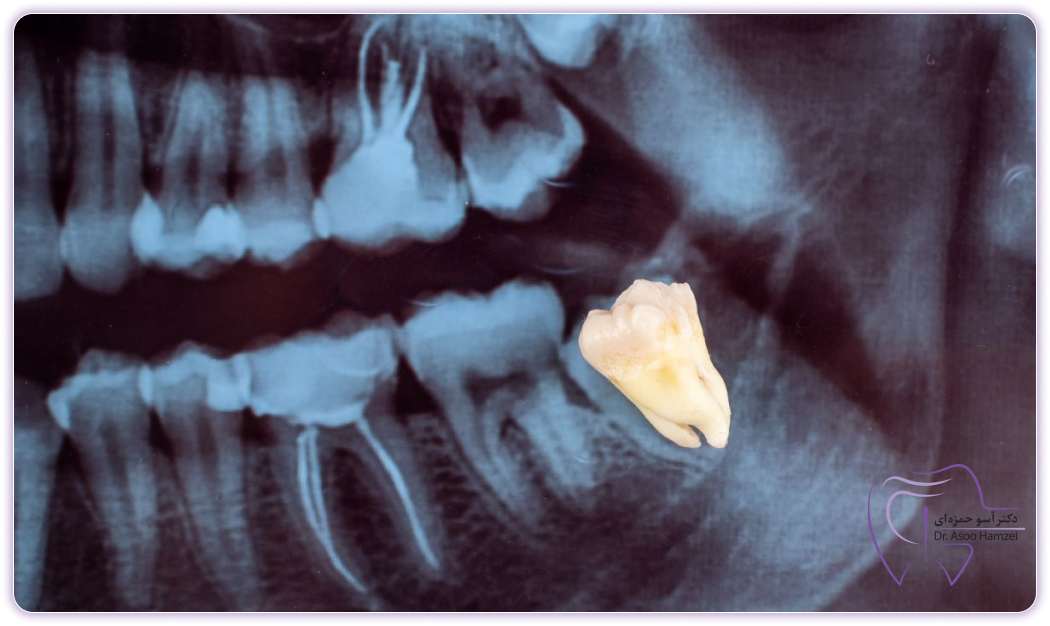
للتحقق من هذه العدوى يجب على طبيب الأسنان فحص فمك وأسنانك سريريًا وباستخدام التصوير. بعد فحص العلامات والأعراض، سيحدد طبيب الأسنان مدى تقدم العدوى وما هي الطرق أو الأدوية التي يجب استخدامها لعلاجها. تشمل أفضل طرق التصوير التصوير الشعاعي البانورامي (OPG)، وهي صورة ثنائية الأبعاد لكامل الفك والأسنان، والتصوير CBCT، وهي صورة ثلاثية الأبعاد.
علاج التهاب ضرس العقل
توجد طرق مختلفة لعلاج هذه العدوى ومن أهمها ما يلي. وبالطبع فإن تحديد الطريقة يجب التأكد منه من قبل طبيب الأسنان.
علاج التهاب ضرس العقل بأقراص المضادات الحيوية
في الحالات التي يسبب فيها خراج ضرس العقل التهابًا وألمًا شديدًا، قد يصف طبيب الأسنان مضادات حيوية لقتل البكتيريا. تستخدم الأدوية مثل أموكسيسيلين أو ميترونيدازول عادة للسيطرة على خراجات ضرس العقل. ومن المهم جداً تناول الدواء بشكل منتظم وكامل حسب تعليمات الطبيب لمنع عودة العدوى أو انتشارها.
قلع ضرس العقل المصاب
إذا كان ضرس العقل مصابًا بالتهاب شديد ولم يكن العلاج الطبي فعالاً، فلا يوجد خيار آخر سوى خلع ضرس العقل. في هذه الطريقة، يقوم طبيب الأسنان أولاً بالسيطرة على العدوى إلى حد ما باستخدام الدواء ثم يقوم بإزالة السن في بيئة معقمة. يؤدي هذا الإجراء إلى اختفاء المصدر الرئيسي لعدوى ضرس العقل وتبدأ عملية التعافي بشكل أسرع.
إجراء عدوى ضرس العقل
في بعض الحالات قد ينتشر خراج ضرس العقل إلى الأنسجة المحيطة ويكون هناك حاجة لإجراء عملية جراحية بسيطة لتصريف القيح أو إصلاح اللثة. في هذه العملية، يفتح طبيب الأسنان المنطقة المصابة ويوفر الأساس للتعافي عن طريق غسل المنطقة وتطهيرها. يتم تنفيذ هذا الإجراء عادةً مع استخدام مضادات حيوية إضافية للقضاء تمامًا على التهاب ضرس العقل.
العلاج التقليدي لعدوى ضرس العقل
في الطب التقليدي، لتخفيف الألم والالتهاب الناجم عن العدوى
 يتكون ضرس العقل من مكونات طبيعية مثل الملح والثوم والكركم والقرنفل. هذه المواد لها خصائص مضادة للجراثيم ومضادة للالتهابات ويمكن أن تسرع عملية الشفاء. وبالطبع فإن هذه الطرق لها دور مساعد أكثر ولا تحل محل علاجات الأسنان.
العلاج المنزلي لالتهاب ضرس العقل بعد خلعه
بعد قلع الأسنان، تلعب الرعاية المنزلية دورًا مهمًا في منع عودة خراج ضرس العقل. إن شطف الفم بالماء المالح الفاتر، وتجنب الأطعمة الصلبة، واستخدام الكمادات الباردة لتقليل التورم، والحفاظ على نظافة الفم الكاملة هي إجراءات فعالة. وتساعد هذه العناية على التئام الجرح بشكل أسرع ومنع الإصابة مرة أخرى.
مضاعفات التهاب ضرس العقل
إذا لم يتم علاج خراج ضرس العقل، فإنه يمكن أن يسبب العديد من المشاكل للمريض، ومن أهمها ما يلي. اللثة والخدود

الوقاية من التهاب ضرس العقل
لمنع تطور ضرس العقل الخراج، يجب عليك اتباع توصيات الرعاية بعد استخراجه أو الجراحة وأيضا قبل إزالته. يجب الحذر واتباع كل منها، وأهمها:
- التنظيف مرتين يومياً بمعجون أسنان يحتوي على الفلورايد لمدة دقيقتين على الأقل في كل مرة.
- استخدام خيط تنظيف الأسنان يومياً لتنظيف المسافة بين الأسنان وما حول ضرس العقل.
- غسل الفم بمحلول غسول الفم المضاد للبكتيريا بعد تنظيف الأسنان بالفرشاة والخيط، وذلك لتقليل بكتيريا الفم.
- قم بزيارة طبيب الأسنان كل ستة أشهر لفحص ضروس العقل، خاصة إذا كانت مخفية أو مخفية جزئياً.
- تصوير شعاعي دوري للتحقق من وضعية ضرس العقل والتنبؤ بالمشكلات المحتملة.
- قلل من تناول السكر والمواد اللزجة التي تسبب تراكم البلاك. الجسم.
- تجنب التدخين ومنتجات التبغ لأنها تهيج اللثة وتزيد من خطر الإصابة بالعدوى.
- الحفاظ على نظافة المنطقة المحيطة بأسنان العقل المعقدة أو شبه البارزة بالتنظيف المناسب (الخيط وفرشاة الأسنان للفكين الخلفيين).
- تجنب تناول الأطعمة الصلبة أو المكتنزة التي قد تلحق الضرر باللثة أو حول ضرس العقل.
- إذا شعرت بألم شديد أو تورم أو نزيف. قم بزيارة طبيب الأسنان بشكل غير طبيعي.
- إذا كان هناك خراج أو إفراز صديد، فاطلب رعاية الأسنان على الفور لمنع انتشار العدوى.
عدوى ضرس العقل عند البالغين
عادة ما يحدث خراج ضرس العقل عند البالغين عندما تتشكل الأنسجة الرخوة حول ضرس العقل، خاصة إذا كان السن مطمورًا أو مطمورًا جزئيًا، فسوف يعاني من الالتهاب وتراكم البكتيريا. تُعرف هذه العدوى باسم التهاب محيط الزمن وتسبب الألم والتورم والاحمرار وقد يخرج القيح ورائحة الفم الكريهة. يمكن أن تؤدي عوامل مثل النمو غير السليم لضرس العقل وتراكم البكتيريا ونقص نظافة الفم إلى هذا النوع من العدوى، مما قد يؤدي إلى مشاكل أكثر خطورة إذا تركت دون علاج.
التهاب ضرس العقل بعد الجراحة أو الخلع
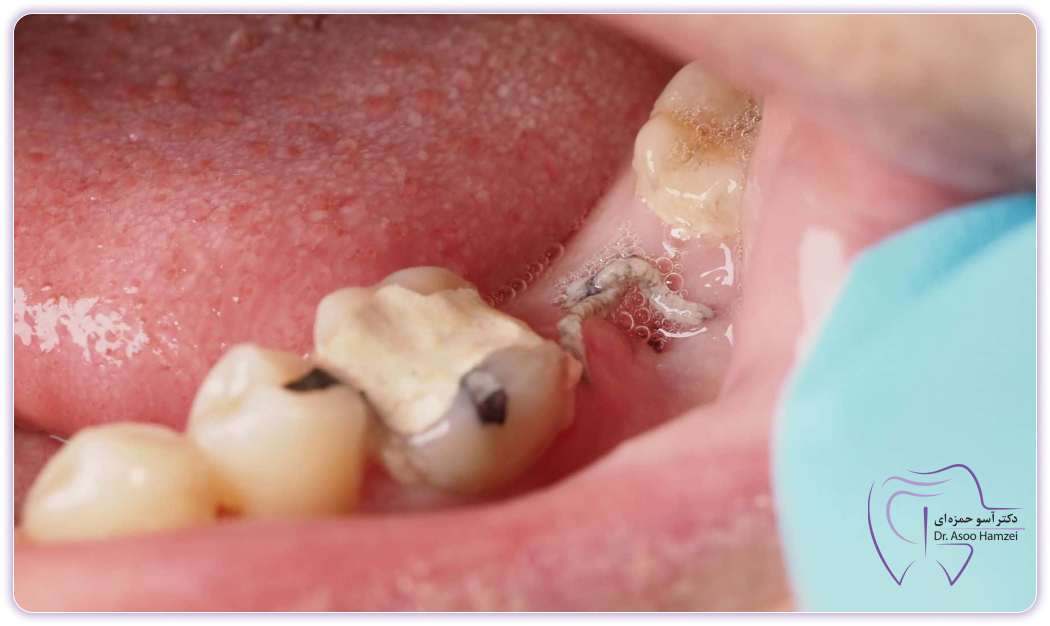
بعد إجراء عملية جراحية أو خلع ضرس العقل، هناك احتمالية لحدوث عدوى ناجمة عن تغلغل البكتيريا في موقع الجراحة أو تراكم الطعام في التجويف المتبقي. تشمل أعراض العدوى بعد خلع ضرس العقل ألمًا شديدًا ومستمرًا، وتورمًا غير طبيعي، وإفراز صديد أصفر أو أبيض، ونزيف طويل، وحمى، وصعوبة في فتح الفم.
يمكن أن يحدث خراج ضرس العقل بسبب سوء نظافة الفم، أو عدم تناول الأدوية الموصوفة بانتظام، أو ممارسة نشاط بدني قوي بعد الجراحة. للوقاية من العدوى، يجب اتخاذ رعاية خاصة بعد الجراحة، مثل شطف الفم بالماء المالح، واستخدام الكمادات الباردة، وتناول المضادات الحيوية، واتباع نصائح النظافة.
الأسئلة الشائعة
كم يومًا تستمر عدوى ضرس العقل؟
عادةً ما يستمر خراج ضرس العقل من بضعة أيام إلى أسبوع، ويعتمد ذلك على شدة العدوى والعلاجات التي يتم إجراؤها
هل خراج ضرس العقل خطير؟
يمكن أن يكون خراج ضرس العقل خطيرًا، وإذا لم يتم علاجه، فقد تنتشر العدوى إلى أجزاء أخرى من الفك أو الرقبة أو حتى الدم وتسبب مشاكل أكثر خطورة مثل الخراج والحمى والعدوى الجهازية؛ لذلك لا بد من مراجعة طبيب الأسنان للعلاج.
هل خلع ضرس العقل المصاب مؤلم؟
وربما تكون عملية خلع نموذج السن هذا أكثر إيلامًا من المعتاد، لأن العدوى تسببت في زيادة الالتهاب والحساسية في منطقة السن. ومع ذلك، عادةً ما يتحكم طبيب الأسنان في الألم باستخدام التخدير الموضعي والأدوية المسكنة للألم، وعادةً ما يستمر الألم بعد الخلع بضعة أيام ويهدأ مع الرعاية المناسبة.
استمارة حجز موعد واستشارة طبيب الأسنانلحجز موعد أو استشارة خدمات مركز الدكتور آسو حمزي لطب الأسنان، يمكنك ملء النموذج أدناه حتى يتمكن خبراؤنا من الاتصال بك في أقرب وقت ممكن.