
Oral health during pregnancy - dental care during pregnancy

Dental care during pregnancy
Dr. Mehdi Ali Babaei > Blog > Weblog > Dental care during pregnancy
- July 18, 1402
- dr.alibabaei
- Views: 0
- blog
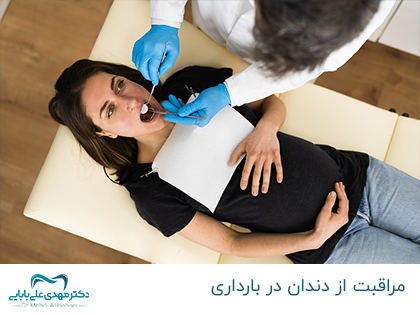
During pregnancy, while you take care of your body by observing what you eat and drink, don't forget to take special care of your teeth and gums. Your teeth and gums are affected by pregnancy just like any other part of your body, and your oral and dental health can affect the health of your fetus.
Approximately 50% of pregnant women experience a condition called pregnancy gingivitis. Frequent snacking, especially on sugary foods, can contribute to gingivitis, which can cause swollen, bleeding, red, and sensitive gums. Since pregnant women often eat smaller meals after each snack without brushing, their teeth may become filled with plaque and bacteria. To prevent pregnancy gingivitis, be sure to brush your teeth after every meal and floss at least once a day.
If gingivitis is not treated, it can progress to periodontal disease, a more advanced gum infection that destroys the connective tissue and supporting bone that holds the teeth in the mouth. Periodontal disease is associated with low birth weight babies and preterm birth. Oral bacteria contain prostaglandins, one of the hormones known to induce labor.
Pregnancy tumors are another oral problem that many pregnant women face. Tumors often appear as red, raw, painful lumps on the gums during the second trimester. Although not cancerous, they may be a sign of a serious oral disease, as they are believed to be caused by excess plaque. Tumors usually subside after the baby is born. But if they persist, they should be surgically removed.
If possible, you should have a full dental exam and check-ups before pregnancy, and you should visit your dentist for regular dental cleanings while you are pregnant. However, elective dental treatments such as x-rays, whitening and bonding should be avoided, especially in the first trimester. In general, dental treatments are not recommended in the third trimester because the tilt of the dental chair may reduce circulation and lying on your back for long periods of time may be uncomfortable for you and your baby. Always consult your gynecologist before any dental treatment and inform your dentist as soon as possible that you are pregnant.
Recommended article: treatment of toothache during pregnancy
X-rays for pregnant women
Table of Contents
Unnecessary x-rays are prohibited for pregnant women. However, if you have to have x-rays during pregnancy, rest assured that the risk to your fetus is minimal, as your uterus is protected by a lead apron and the amount of radiation scattered during the imaging and passing through the part of your body not covered by the apron is negligible. Therefore, if you have a dental disease that requires X-ray imaging and not having it poses a risk to your health, do it by observing the tips and care of the imaging center and inform the imaging operator of your pregnancy as soon as possible.
Tooth filling during pregnancy
According to the studies done, there is no connection between receiving tooth filling with amalgam during pregnancy and low birth weight or unhealthy birth. This is a controversial topic and many people are not convinced that tooth filling with silver amalgam (mercury) does not affect the health of the baby, so they wait until after delivery to fill their teeth.
Teeth extraction and nerve extraction in pregnancy
Essential tooth extraction or nerve extraction during pregnancy is safe. If you have this done, use a local anesthetic if possible.

Drugs used by dentists for pregnant patients
Local anesthetics such as Novocaine or Lidocaine are better than intravenous or inhaled drugs. Avoid epinephrine, which is often added to local anesthetics to make them last longer. Women who receive epinephrine are at increased risk for some minor birth defects.
Suitable painkillers during pregnancy
Avoid taking non-steroidal pain relievers such as ibuprofen (Advil, Aleve) and aspirin during pregnancy. Acetaminophen (Tylenol) is safe during most pregnancies. Stronger pain medications such as codeine or percodan may be used for less than a few weeks, but the fetus may be less active while you are taking the medication. Medicines like these are not recommended for long-term use.
Suggested article: oral and dental hygiene in pregnancy
Antibiotics
If you have an infection, your dentist may prescribe antibiotics. It is safe to take penicillin and cephalosporin antibiotics unless you are allergic to them. Azithromycin and metronidazole are also safe. However, tetracycline should be avoided because it can affect the teeth and bones of the fetus.
Fluoride
It is not clear whether supplemental fluoride poses a risk to the fetus, and there is conflicting evidence as to whether taking fluoride supplements during pregnancy actually reduces the number of cavities your child develops later in life. Fluoride levels in municipal water sources are probably safe for your child and are sufficient to prevent tooth decay.
The bottom line in dental care during pregnancy is that the healthier you are, the healthier your baby will be. Avoid unnecessary or cosmetic procedures, but don't shy away from a professional dentist. If you have a dental problem, take care of it. Always make sure your dentist knows you are pregnant, and if you are unsure about the safety of any procedure or medication, consult your gynecologist.
Tags: Oral hygiene and ToothWrite your opinion Cancel reply
مقالات دیگر از Dr. Mehdi Ali Babaei


SEO site management services
Search engine optimization (SEO) services help you to rank your website higher in the search results of Google and other search engines.

Implementation of branding and digital advertising
Digital branding means creating a strong and distinctive brand in the digital space for a company or a specific product. This process involves using digital methods and strategies to build and strengthen the brand.

Website design for companies and businesses
Website design for companies and businesses can help you have a stronger online presence and attract more customers. Contact us for more information.
