
Treatment of diabetes in children - Dr. Mehdi Afshari, specialist in neonates, children and adolescents


Treatment of diabetes in children
Diabetes is a chronic disease in which the body is unable to produce or use insulin effectively. Insulin is a hormone that transfers sugar (glucose) from food to cells to be used as energy.
In children, the most common type of diabetes is type 1 diabetes, which is an autoimmune disease. However, with the increase in obesity in children, the cases of type 2 diabetes are also increasing.
Diagnosing diabetes in children can come as a shock to families, but with proper management by professionals, diabetic children can lead healthy and productive lives. Treatment of diabetes in children is a complex and multifaceted process that requires a team approach and close cooperation with the family.Type 1 diabetes in children
Type 1 diabetes (formerly called insulin-dependent diabetes or juvenile diabetes) is an autoimmune disease. In this condition, the body's immune system mistakenly attacks and destroys the insulin-producing cells in the pancreas (Islets of Langerhans). As a result, the body no longer produces insulin.
Symptoms of type 1 diabetes in children usually appear quickly and suddenly and include:
- Extreme thirst and drinking a lot of fluids
- Frequency of urination and nocturia in a child who already had urinary control
- Unwanted weight loss despite high appetite
- fatigue and lethargy
- Increased appetite (sometimes)
- Blurred vision
- fruity breath odor (caused by ketones in cases of diabetic ketoacidosis)
- Abdominal pain, nausea or vomiting (which can be a sign of diabetic ketoacidosis and is a medical emergency).
Diagnosis of type 1 diabetes is done by fasting blood glucose test, glucose tolerance test, and measurement of glycosylated hemoglobin (HbA1c). In some cases, type 1 diabetes antibodies are also tested to confirm the diagnosis.
Type 2 diabetes in children
Type 2 diabetes (formerly called adult-onset diabetes) occurs when the body does not produce enough insulin or cells become resistant to insulin (insulin resistance). This type of diabetes is increasing in children, especially in teenagers and in connection with obesity and inactivity.
Symptoms of type 2 diabetes in children may be less specific and include:
- Thirst and frequent urination (similar to type 1, but usually milder).
- Weight gain or obesity.
- Darkness of the skin in the folded areas of the body (such as the neck, armpits) which is called acanthosis nigricans.
- Fatigue.
- Blurred vision.
The role of specialists in the treatment of children's diabetes
Treatment of diabetes in children, especially type 1 diabetes, is a complex and lifelong process that requires a team of specialists and close family cooperation. Pediatric endocrinologist is the center of this treatment team and other members include:
- Nutritionist (diabetes): for teaching carbohydrate counting and food planning.
- Diabetes Educator: for comprehensive training in daily diabetes management.
- Child/adolescent psychologist: to help cope with the psychological challenges of diabetes.
- Ophthalmologist and nephrologist: to check and manage possible complications in the future.
Treatment principles of type 1 diabetes in children
Treatment of type 1 diabetes in children mainly focuses on insulin replacement and lifestyle management:
Insulin therapy
The only way to treat type 1 diabetes is insulin injection. Since the body no longer produces insulin, it must be provided externally.
Types of insulin: rapid-acting (for before meals), short-acting, medium-acting and long-acting (basic) insulins are prescribed according to the child's needs and lifestyle.
Injection methods:
Injection with a syringe or insulin pen: the most common method, which is done several times a day (usually 4-6 times). Careful education of parents and child (at the appropriate age) is vital for correct injection.
Insulin pump: a small device that delivers insulin to the body continuously and with very precise and programmed doses. This method provides more flexibility in managing diet and activities and can help control blood sugar better.

Regular monitoring of blood sugar
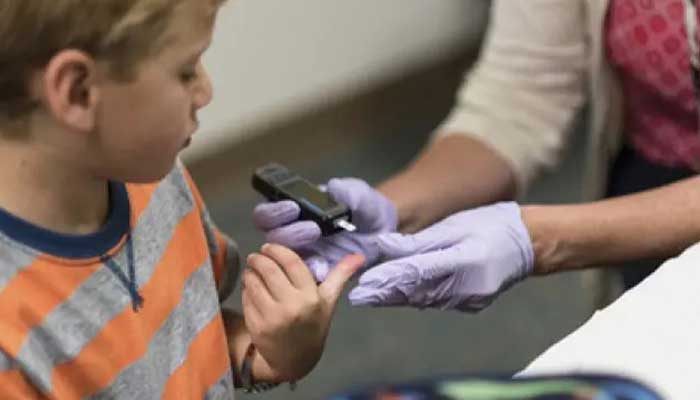
Measuring blood sugar with a glucometer: several times a day (before meals, before sleep and if necessary). This information is necessary to adjust the dose of insulin.
Continuous blood glucose monitoring (CGM) systems: Devices that continuously measure sugar levels in the interstitial fluid (under the skin) and transmit the information wirelessly to a receiver or smartphone. These systems provide a more comprehensive view of blood sugar fluctuations and can help prevent extreme sugar spikes.
Nutrition and carbohydrate counting
Meal planning: The dietitian teaches the family how to count the carbohydrates in foods. This skill is necessary to match the dose of insulin with the amount of carbohydrates consumed.
Balanced diet: emphasizing the consumption of whole foods, fruits, vegetables and proteins.
Meal time management: Keeping the timing of meals and snacks consistent can help stabilize blood sugar levels.
Physical activity
The importance of exercise: Regular physical activity helps manage blood sugar, maintain a healthy weight, and improve overall health.
Insulin regulation: During physical activity, the need for insulin may decrease. Parents and child should learn how to adjust insulin dose and take extra snacks to avoid hypoglycemia.
Management of low blood sugar (hypoglycemia)
Recognition of symptoms: tremors, sweating, confusion, extreme hunger, moodiness, headache.
Quick treatment: quick consumption of sugar sources such as juice, chocolate, or glucose tablets.
Family and school education: Everyone in contact with the child should know the symptoms and how to deal with hypoglycemia.
Monitoring and prevention of complications
Regular examinations: ophthalmology, kidney function check, and foot examination for early detection of complications.
Accurate control of blood sugar: the best way to prevent long-term complications such as kidney, nerve, eye and cardiovascular diseases.
Treatment principles of type 2 diabetes in children
Treatment of type 2 diabetes in children first focuses on lifestyle changes and then drug therapy is added if needed:
Lifestyle changes
Healthy diet: reducing consumption of simple sugars, saturated fats and processed foods. Focus on fruits, vegetables, whole grains and lean proteins.
Increasing physical activity: at least 60 minutes of moderate to intense physical activity on most days of the week.
Weight loss: Even a slight weight loss can help improve insulin resistance.
Drug therapy
Metformin: the first line of treatment is a drug that reduces insulin resistance.
Insulin: In some cases, especially in the early stages or if there is no control with metformin, insulin may be needed temporarily or permanently.
Other newer drugs used for adults are currently less recommended for children, but research is ongoing.
Regular monitoring of blood sugar: with a glucometer or CGM.

The role of family and school
The role of the family in the management of childhood diabetes is very vital. Parents have important responsibilities including:
- Learning to inject insulin and monitor blood sugar.
- Carbohydrate counting and food planning.
- Management of blood sugar fluctuations.
- Emotional support of the child.
- Cooperation with the school to train the school staff about child diabetes and how to help in emergency situations.
Summary
Diabetes in children, both type 1 and type 2, is a chronic disease that requires careful and continuous management. However, with the guidance of pediatric endocrinology specialist in Tehran and a team of specialists, and the active cooperation of the family, diabetic children can control their blood sugar well, prevent serious complications and live a completely normal, active and successful life. has made it easier and has increased the hope for a brighter future for diabetic children.
Tags Child diabetes type 1 diabetes type 2 diabetes drafshari July 9, 20250 127 It takes 5 minutes to read this article Facebook Twitter LinkedIn Tumblr Pinterest Reddit VKontakte Share by email Print
drafshari
Similar articles
What are the causes of heartburn in children and infants?
August 11, 2023cause What is earache in babies?
February 18, 2023Symptoms of child dehydration and treatment methods
August 18, 2022Signs and symptoms of seasonal allergies in children
April 24, 2022Write your opinion Cancel response
See also Close- Common diseases
 Pediatric Allergist July 9, 2025
مقالات دیگر از Dr. Mehdi Afshari

متخصص اطفال غرب تهران: بهترین دکتر کودکان و نوزادان - دکتر مهدی افشاری متخصص نوزادان، کودکان و نوجوانان
متخصص اطفال غرب تهران: راهنمای انتخاب بهترین دکتر کودکان، نوزادان و نوجوانان فهرست مطالب مقدمه: چرا انتخاب متخصص اطفال غرب تهران یک تصمیم حیاتی است؟ اهمیت نزدیکی متخصص به محل زندگی...

ختنه تخصصی در تهران | 02166602506 - دکتر مهدی افشاری متخصص نوزادان، کودکان و نوجوانان
مقدمهای بر ختنه تخصصی و مزایای آن تصمیمگیری برای انجام ختنه نوزادان در تهران یکی از مهمترین و حساسترین انتخابها برای والدین است. ختنه، به عنوان یک پروسه پزشکی رایج، صرفاً یک عمل مذه...

نوبت دهی دکتر کودکان تهران | 02166602506 - دکتر مهدی افشاری متخصص نوزادان، کودکان و نوجوانان
نوبت دهی دکتر کودکان تهران: راهنمای جامع رزرو فوری و آنلاین بهترین متخصصان اطفال اهمیت نوبت دهی دکتر کودکان در تهران و چالشها یافتن و رزرو نوبت برای یک دکتر کودکان خوب در تهران یکی از اص...

جدول واکسیناسیون کودکان | دکتر افشاری (02166602506) راهنمای کامل و عوارض - دکتر مهدی افشاری متخصص نوزادان، کودکان و نوجوانان
جدول واکسیناسیون کودکان ۱۴۰۴: راهنمای جامع والدین، مزایا و نکات کلیدی مقدمهای بر جدول واکسیناسیون کودکان ۱۴۰۴ و اهمیت ایمنسازی فعال جدول واکسیناسیون کودکان ۱۴۰۴ سندی رسمی و حیاتی است که...

علائم رفلاکس در نوزادان | تشخیص پنهان و درمان در غرب تهران 02166602506 - دکتر مهدی افشاری متخصص نوزادان، کودکان و نوجوانان
علائم رفلاکس در نوزادان: راهنمای تشخیص، درمان و مشاوره تخصصی غرب تهران علائم رفلاکس در نوزادان: دلایل و اهمیت تشخیص زودهنگام مشاهده علائم رفلاکس در نوزادان یکی از شایعترین نگرانیهای وال...

درمان تب بالا در کودکان | راهنمای فوری، تشنج و تب ۳۹+ (غرب تهران) - دکتر مهدی افشاری متخصص نوزادان، کودکان و نوجوانان
درمان تب بالا در کودکان: راهنمای فوری و تخصصی برای والدین در غرب تهران تب بالا در کودکان: راهنمای والدین و ضرورت تشخیص سریع تب یکی از شایعترین علائم بیماری در کودکان است و اغلب نشاندهند...

Influenza vaccine in Tehran Influenza vaccine injection in Dr. Mehdi Afshari's office 02166602506 - Dr. Mehdi Afshari, specialist in babies, children and teenagers
💉 Influenza vaccine in Tehran Influenza vaccine injection at Dr. Mehdi Afshari's office Introduction With the beginning of autumn and winter, many of us are worried about colds and flu. Every ye...

How to treat and prevent children's diseases in autumn?
Autumn is a beautiful season with warm colors and pleasant weather, but it can be a time for children to get various diseases... Temperature changes, the start of the school season and less sunlight m...

Strengthening children's immune system in the fall to prevent disease
Autumn is the season of climate change, and as the weather gets colder, children are more exposed to colds and respiratory diseases. In these days, strengthening the immune system of children becomes...

The best external syrup to strengthen children's immune system in the fall season
In the autumn season, it is especially important to strengthen the immune system of children to be more resistant to seasonal diseases.... The use of external immunity syrups can help this.... Here ar...

Symptoms of calcium deficiency in children
Calcium is considered one of the vital elements for the growth and health of children and its main role is in strengthening bones and teeth.. Calcium deficiency in children can slow down the growth pr...

The best supplement for calcium deficiency in children
Calcium is considered one of the vital elements for the growth and health of children, and its main role is in strengthening bones and teeth.. Calcium deficiency in children can slow down the growth p...

SEO site management services
Search engine optimization (SEO) services help you to rank your website higher in the search results of Google and other search engines.

Implementation of branding and digital advertising
Digital branding means creating a strong and distinctive brand in the digital space for a company or a specific product. This process involves using digital methods and strategies to build and strengthen the brand.

Website design for companies and businesses
Website design for companies and businesses can help you have a stronger online presence and attract more customers. Contact us for more information.

