
Developmental disorders in children - Dr. Mehdi Afshari, specialist in newborns, children and adolescents

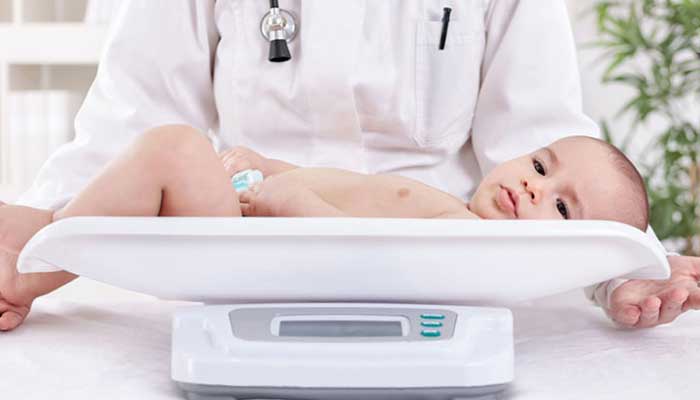
Growth disorders in children
Growth in children is a complex and dynamic process that includes the increase in height, weight, head circumference, as well as the development of movement, cognitive, speech and social skills. This process is influenced by several factors including genetics, nutrition, general health and environment.
When a child's growth deviates from the normal and expected patterns for his age and gender, it may be a sign of developmental disorders. Early diagnosis and timely intervention in these cases is critical, because it can have a significant impact on the child's health and future.
What is natural growth?
To understand developmental disorders, we must first understand the concept of normal development. Doctors use standard growth charts, such as those of the World Health Organization, to monitor children's growth.
These charts show the expected growth patterns for a child's age and sex, and include percentiles that indicate the child's position compared to his or her peers. A normal child is usually placed in a certain percentile (for example, the 50th percentile for height or weight) and continues this growth process in a stable manner.
A significant deviation from this pattern (for example, a sudden drop in growth percentile) can be a sign of trouble.

The main growth parameters include:
- Height: the rate of longitudinal growth of bones.
- Weight: an indicator of nutritional health and overall body condition.
- Circumference of the head: indicating the growth of the brain and skull, especially in the first two years of life.
Types of developmental disorders
Growth disorders can appear in different ways and affect one or more aspects of a child's development. Some of the most common types are:
short
It is diagnosed when a child's height is significantly shorter than the average for his or her peers (usually below the third percentile for age and sex). The causes of short stature are very diverse and can include the following:
Familial (genetic) short stature: children whose parents are also short. This is a normal type of short stature and is usually not considered a medical problem.
Characteristic delay in growth and maturation: children who grow later than their peers and have later puberty, but eventually reach normal height.
Growth hormone deficiency: the pituitary gland does not produce enough growth hormone.
Malnutrition: chronic lack of calories and necessary nutrients.
Chronic diseases: such as kidney, heart, lung, inflammatory bowel disease, celiac disease, or chronic anemia.
Genetic disorders and syndromes: such as Turner syndrome (only in girls), Down syndrome, Noonan syndrome.
Hypothyroidism: Thyroid hormones are essential for normal growthSkeletal problems: such as achondroplasia (a type of dwarfism).
Weight gain disorders
Inadequate weight gain: It happens when the child's weight does not increase enough or his weight percentile is constantly decreasing. This problem can be caused by:
Inadequate nutrition: low calorie intake, breastfeeding problems, inappropriate feeding techniques, poverty.
Absorption problems: digestive diseases such as celiac disease, cystic fibrosis, severe reflux.
Increase in metabolic demand: in some chronic heart or lung diseases.
Psycho-social factors: problems in parent-child relationships, mother's depression.
Obesity: excessive increase in body weight defined by a high body mass index (BMI).
Obesity in children is a serious public health concern due to the increased risk of type 2 diabetes, cardiovascular diseases, high blood pressure, and psychological problems. The causes of obesity are mainly due to lifestyle (improper nutrition and inactivity), but in rare cases, it can be hormonal or genetic.
Disorders of head size
Microcephaly: The size of the head circumference is less than normal for age and sex. This condition can be a sign of insufficient brain development and is often associated with developmental and mental disorders. Causes include infections during pregnancy (such as Zika, toxoplasmosis), genetic problems, severe maternal malnutrition, or exposure to harmful substances during pregnancy.
Macrocephaly: head circumference larger than normal. It can be caused by hydrocephalus (fluid accumulation in the brain), enlarged brain (megalencephaly) or other conditions.

Symptoms and signs
Symptoms of developmental disorders vary depending on the type and cause, but some general signs that parents should pay attention to are:
- Not increasing height or weight as expected according to growth charts.
- A sudden change in growth percentiles (for example, a big drop or jump). Chronic fatigue or lack of energy
- Educational problems or developmental delays.
- Thinning of hair, dry skin, or changes in nails.
- Delay in puberty (in teenagers).
- Chronic nutritional or digestive problems (such as vomiting, diarrhea).
- Change in the size of the head circumference.
Identification
Diagnosis of developmental disorders is a step-by-step process that is usually initiated by the best pediatric specialist in Tehran and, if necessary, referred to pediatric endocrinology specialist in Tehran or other subspecialists:
Regular monitoring of growth: accurate measurement of height, weight and head circumference at each medical visit and recording them in growth charts. This is the most important step in early identification of problems.
Complete medical history: including history of pregnancy, birth, nutrition, chronic diseases, medications, and family history (parental height, puberty, hereditary diseases).
Physical examination: detailed examination of different body systems to find signs of underlying diseases.
Diagnostic tests:
Blood tests: to check thyroid function, growth hormone, levels of vitamins, minerals, complete blood count (CBC) and check for chronic diseases (eg celiac disease, kidney problems).
Urine test: to check kidney function.
Taking a picture of the wrist (Bone Age): to estimate the child's bone age, which indicates the degree of skeletal maturity and can be helpful in diagnosing developmental delay or growth hormone deficiency.
Growth hormone stimulation tests: if growth hormone deficiency is suspected.
Genetic tests: if certain syndromes or chromosomal abnormalities are suspected.
Brain imaging (MRI): in suspected cases of pituitary tumors or brain structural abnormalities that affect the production of hormones.
Treatment and intervention
Treatment of developmental disorders completely depends on its underlying cause:
Treatment of the underlying cause:
Nutritional improvement: In cases of malnutrition, nutrition counseling and increasing calorie and protein intake are essential.
Treating chronic conditions: Controlling conditions such as asthma, diabetes, kidney disease, or celiac disease can help improve growth.Hormone replacement: in case of diagnosis of growth hormone deficiency, treatment is performed with daily injection of artificial growth hormone. In hypothyroidism, thyroid hormone is prescribed.
Surgery: In rare cases where tumors or structural abnormalities affect the endocrine glands.

Supportive interventions
Nutrition consultation: to adjust the proper diet.
Physiotherapy and occupational therapy: in children who have movement disorders caused by developmental problems or underlying diseases.
Psychological support: for the child and family, especially in cases where developmental disorders have affected the child's self-confidence or social relationships.
Management of obesity
Lifestyle change: including a healthy diet and increasing physical activity.
Nutritional and psychological counseling: to help the child and family in creating healthy habits.
Drug therapy or bariatric surgery: in severe cases of obesity in teenagers and under expert supervision.
The role of parents and pediatrician
Regular growth monitoring by a pediatrician in periodic visits is the first and most important line of defense against growth disorders. Parents should also pay attention to any concerns about their child's development process and share it with the doctor.
Continuous communication with the doctor, compliance with treatment recommendations and regular follow-ups are the keys to success in managing developmental disorders and ensuring a healthy future for the child.
Summary
Growth disorders can be worrisome, but with early diagnosis and the correct treatment approach, many children can reach their full developmental potential. have a healthy and fruitful life.
Tags Children Children's growth href="https://doctorafshari.ir/author/drafshari/">drafshari July 10, 20250 1,145 It takes 5 minutes to read this article Facebook Twitter LinkedIn Tumblr Pinterest Reddit VKontakte Share by email Print
drafshari
Similar articles
7 strategies for feeding malnourished children
February 8, 2022In student nutrition
October 6, 2022Dos and don'ts of infant nutrition
February 3, 2022hearing loss in children, cause, symptoms and treatment
April 11, 2021Write your opinion Cancel response
See also Close- Development and nutrition Healthy nutrition for children and teenagers Teens September 20, 2022
مقالات دیگر از Dr. Mehdi Afshari

متخصص اطفال غرب تهران: بهترین دکتر کودکان و نوزادان - دکتر مهدی افشاری متخصص نوزادان، کودکان و نوجوانان
متخصص اطفال غرب تهران: راهنمای انتخاب بهترین دکتر کودکان، نوزادان و نوجوانان فهرست مطالب مقدمه: چرا انتخاب متخصص اطفال غرب تهران یک تصمیم حیاتی است؟ اهمیت نزدیکی متخصص به محل زندگی...

ختنه تخصصی در تهران | 02166602506 - دکتر مهدی افشاری متخصص نوزادان، کودکان و نوجوانان
مقدمهای بر ختنه تخصصی و مزایای آن تصمیمگیری برای انجام ختنه نوزادان در تهران یکی از مهمترین و حساسترین انتخابها برای والدین است. ختنه، به عنوان یک پروسه پزشکی رایج، صرفاً یک عمل مذه...

نوبت دهی دکتر کودکان تهران | 02166602506 - دکتر مهدی افشاری متخصص نوزادان، کودکان و نوجوانان
نوبت دهی دکتر کودکان تهران: راهنمای جامع رزرو فوری و آنلاین بهترین متخصصان اطفال اهمیت نوبت دهی دکتر کودکان در تهران و چالشها یافتن و رزرو نوبت برای یک دکتر کودکان خوب در تهران یکی از اص...

جدول واکسیناسیون کودکان | دکتر افشاری (02166602506) راهنمای کامل و عوارض - دکتر مهدی افشاری متخصص نوزادان، کودکان و نوجوانان
جدول واکسیناسیون کودکان ۱۴۰۴: راهنمای جامع والدین، مزایا و نکات کلیدی مقدمهای بر جدول واکسیناسیون کودکان ۱۴۰۴ و اهمیت ایمنسازی فعال جدول واکسیناسیون کودکان ۱۴۰۴ سندی رسمی و حیاتی است که...

علائم رفلاکس در نوزادان | تشخیص پنهان و درمان در غرب تهران 02166602506 - دکتر مهدی افشاری متخصص نوزادان، کودکان و نوجوانان
علائم رفلاکس در نوزادان: راهنمای تشخیص، درمان و مشاوره تخصصی غرب تهران علائم رفلاکس در نوزادان: دلایل و اهمیت تشخیص زودهنگام مشاهده علائم رفلاکس در نوزادان یکی از شایعترین نگرانیهای وال...

درمان تب بالا در کودکان | راهنمای فوری، تشنج و تب ۳۹+ (غرب تهران) - دکتر مهدی افشاری متخصص نوزادان، کودکان و نوجوانان
درمان تب بالا در کودکان: راهنمای فوری و تخصصی برای والدین در غرب تهران تب بالا در کودکان: راهنمای والدین و ضرورت تشخیص سریع تب یکی از شایعترین علائم بیماری در کودکان است و اغلب نشاندهند...

Influenza vaccine in Tehran Influenza vaccine injection in Dr. Mehdi Afshari's office 02166602506 - Dr. Mehdi Afshari, specialist in babies, children and teenagers
💉 Influenza vaccine in Tehran Influenza vaccine injection at Dr. Mehdi Afshari's office Introduction With the beginning of autumn and winter, many of us are worried about colds and flu. Every ye...

How to treat and prevent children's diseases in autumn?
Autumn is a beautiful season with warm colors and pleasant weather, but it can be a time for children to get various diseases... Temperature changes, the start of the school season and less sunlight m...

Strengthening children's immune system in the fall to prevent disease
Autumn is the season of climate change, and as the weather gets colder, children are more exposed to colds and respiratory diseases. In these days, strengthening the immune system of children becomes...

The best external syrup to strengthen children's immune system in the fall season
In the autumn season, it is especially important to strengthen the immune system of children to be more resistant to seasonal diseases.... The use of external immunity syrups can help this.... Here ar...

Symptoms of calcium deficiency in children
Calcium is considered one of the vital elements for the growth and health of children and its main role is in strengthening bones and teeth.. Calcium deficiency in children can slow down the growth pr...

The best supplement for calcium deficiency in children
Calcium is considered one of the vital elements for the growth and health of children, and its main role is in strengthening bones and teeth.. Calcium deficiency in children can slow down the growth p...

SEO site management services
Search engine optimization (SEO) services help you to rank your website higher in the search results of Google and other search engines.

Implementation of branding and digital advertising
Digital branding means creating a strong and distinctive brand in the digital space for a company or a specific product. This process involves using digital methods and strategies to build and strengthen the brand.

Website design for companies and businesses
Website design for companies and businesses can help you have a stronger online presence and attract more customers. Contact us for more information.

