
What is tooth abscess + symptoms and treatment of tooth abscess + home treatment

Learn more about dental abscesses
Dr. Mehdi Ali Babaei > Blog > Weblog > Learn more about dental abscesses
- August 14, 1402
- dr.alibabaei
- Views: 0
- blog
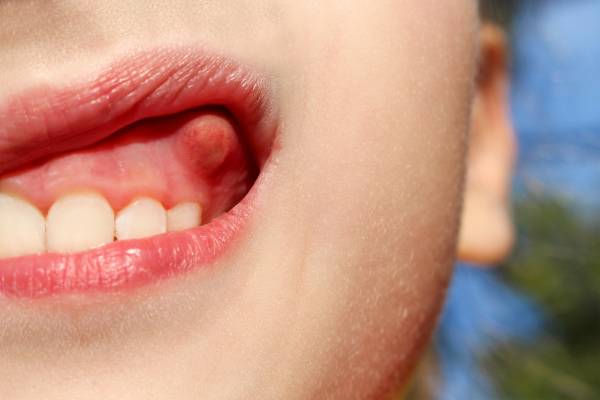
If you have a dental problem, you should always contact your regular dental office in the first place. If you don't have a dental office near you, read our advice on emergency dental treatments.A dental abscess is a collection of pus that can form inside a tooth, the gums, or in the bone that holds the teeth in place. It is caused by a bacterial infection. The abscess at the end of the tooth is called periapical abscess. An abscess in the gum is called a periodontal abscess.
Dental abscesses are often painful, but not always. In any case, they should be checked by a dentist. It is important to get help from a dentist as soon as possible, because abscesses do not go away on their own. They can sometimes spread to other parts of the body and make you sick.
Symptoms of tooth abscess
Table of Contents
Symptoms of an abscess in a tooth or gum may include the following:
- Severe and throbbing pain in the affected tooth or gum that may appear suddenly and gradually worsen.
- The pain that spreads in the ear, jaw and neck on the same side of the damaged tooth or gum.
- Pain that gets worse when lying down and may disturb your sleep.
- Redness and swelling in your face
- A sensitive, discolored or loose tooth
- Shiny, red and swollen gums Allergy to cold or hot food and drink
- Bad breath or unpleasant taste in the mouth
- If the infection spreads, you may also have a high temperature (fever) and feel generally unwell. In severe cases, you may find it difficult to open your mouth fully and have trouble swallowing or breathing.

What to do if you have a tooth abscess?
If you think you have a dental abscess, you should visit a dental clinic as soon as possible. Avoid going to the general practitioner.
Relief your symptoms
Pain relievers can help control your pain while you wait to see the dentist. Ibuprofen is the preferred pain reliever for tooth abscesses, but if you are unable to take it for medical reasons, you can use acetaminophen instead.Aspirin should not be given to children under 16 years of age. If a pain reliever doesn't relieve the pain, taking both acetaminophen and ibuprofen in the dosages indicated on the prescription may help. These drugs are safe for adults, but not suitable for children under 16.
It may also help:
- If the pain worsens, avoid eating and drinking cold or hot.
- If possible, try to eat cool and soft foods and use the opposite side of your mouth.
- Use a soft toothbrush and temporarily avoid flossing around the affected tooth.
These measures can help temporarily relieve your symptoms, but you shouldn't use them to delay getting help from a dentist.
Treatment of tooth abscess
Dental abscesses are treated by removing the source of infection and draining the pus. Depending on the location of the abscess and the severity of the infection, possible treatments include:- Extraction of the damaged tooth (extraction) – may be necessary if root canal treatment is not possible
- Root canal treatment (nervectomy) – is a method of removing an abscess from the root of a damaged tooth before filling and sealing it.
- Incision and drainage – where a small incision (incision) is made in the gum to drain the abscess. (This is usually only a temporary solution and further treatment may be required)
A local anesthetic is usually used to numb the mouth for these procedures. More extensive surgeries may also be performed under general anesthesia. Antibiotics are not usually prescribed for tooth abscesses, but may be used if the infection is widespread or severe.
What causes a tooth abscess?
Your mouth is full of bacteria that forms a sticky layer on your teeth called plaque. If you don't keep your teeth clean, the acids produced by the bacteria in plaque can damage your teeth and gums and lead to tooth decay or gum disease. The following can increase your chances of developing a tooth abscess:
- Lack of oral and dental hygiene - If you don't floss and brush your teeth regularly, plaque will form on your teeth.
- A lot of sugary or starchy foods and drinks – these can encourage the growth of bacteria in plaque and may lead to decay, which can lead to an abscess.
- Damage or previous surgery on the teeth or gums, bacteria can penetrate any damaged part of the tooth or gums.
- Having a weakened immune system - This includes people with certain underlying diseases such as diabetes and people who are receiving treatment, including steroid drugs or chemotherapy.
Prevention of tooth abscess
You can reduce the risk of dental abscesses as much as possible by maintaining the health of your teeth and gums. For this you must:
- Use dental floss or an interdental brush at least once a day to clean between the teeth and under the gum line.
- Brush your teeth twice a day with fluoride toothpaste, spending at least two minutes each time.
- Avoid rinsing your mouth with water or mouthwash after brushing as this will remove the protective toothpaste, just spit out the excess toothpaste.
- Cut down on sugary and starchy foods and drinks, especially between meals or shortly before going to bed.
- Visit your dentist regularly, your dentist can suggest the number of examinations based on the health of your mouth and teeth.
Write your opinion Cancel reply
مقالات دیگر از Dr. Mehdi Ali Babaei


SEO site management services
Search engine optimization (SEO) services help you to rank your website higher in the search results of Google and other search engines.

Implementation of branding and digital advertising
Digital branding means creating a strong and distinctive brand in the digital space for a company or a specific product. This process involves using digital methods and strategies to build and strengthen the brand.

Website design for companies and businesses
Website design for companies and businesses can help you have a stronger online presence and attract more customers. Contact us for more information.
